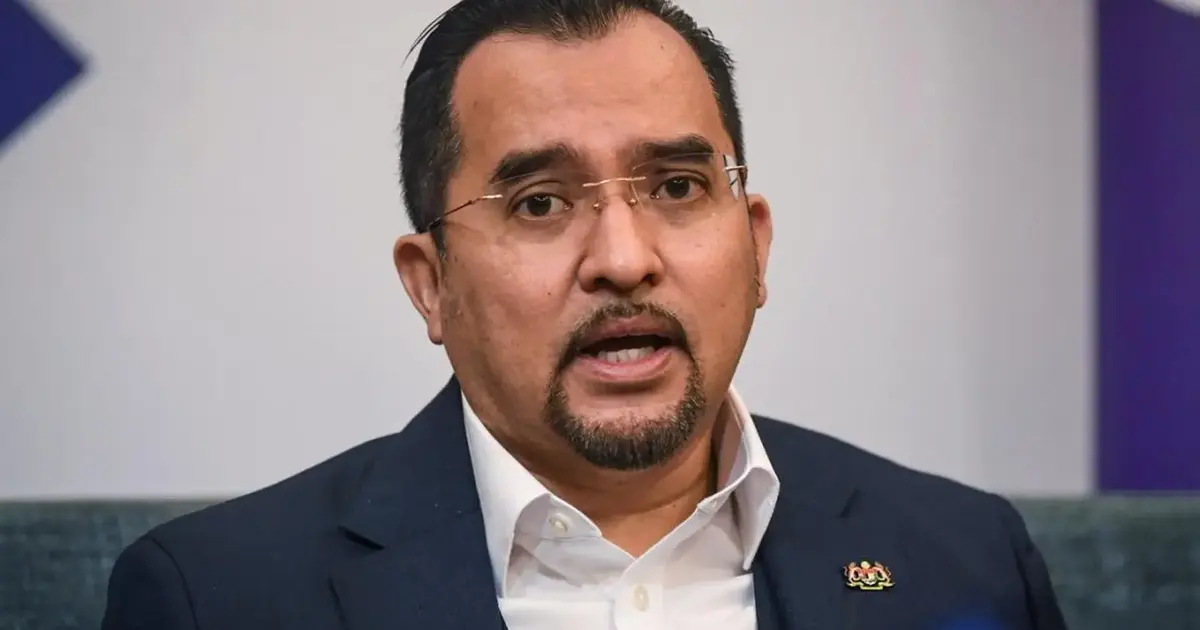
The Mara college system is facing mounting pressure to address a serious bullying complaint that has prompted swift intervention from the institution's highest leadership. Asyraf Wajdi Dusuki, chairman of Mara, has given the college's disciplinary committee just 24 hours to launch a comprehensive investigation into the bullying allegations and determine appropriate penalties for any students implicated in the misconduct.
This aggressive timeline reflects heightened concern within Mara's administration about the severity of the bullying report and the need for immediate institutional response. By compressing the investigation period, Dusuki has signalled that the matter will not be allowed to languish in bureaucratic processes. The urgency of his directive underscores the gravity with which Mara's leadership is treating what appears to be an isolated but significant incident of student misconduct on campus.
Mara's disciplinary framework, like that of most Malaysian educational institutions, is designed to address behavioural violations through a structured committee process. However, the chairman's intervention demonstrates that exceptional cases may bypass standard timelines when circumstances warrant. The college now faces the challenge of balancing thorough investigative work with the compressed deadline, requiring the committee to prioritize efficiency without compromising the integrity of fact-finding.
The chairman has explicitly stated that disciplinary action must be of the "sternest possible" character, indicating that Mara will pursue maximum penalties available under its code of conduct. This language suggests that Mara intends not merely to address the immediate incident but to send a deterrent message to the broader student population. Educational institutions increasingly recognize that permitting bullying—in any form—can create toxic campus environments that damage student mental health and institutional reputation.
Bullying in Malaysian higher education institutions has emerged as a serious concern in recent years, reflecting broader social and generational patterns. Unlike physical assault or academic dishonesty, bullying often operates through subtler mechanisms: social exclusion, verbal harassment, cyberbullying, or coordinated intimidation. This complexity makes investigation more challenging, as evidence may exist primarily in digital communications, witness testimony, or victim accounts rather than tangible physical proof.
Mara colleges, as institutions that serve as gateways to professional qualifications and careers, carry particular responsibility in maintaining safe learning environments. Students at these institutions are often preparing for critical examinations and career advancement, and psychological harm from bullying can directly impact academic performance and long-term career prospects. Parents and the broader public increasingly expect educational institutions to take preventive and remedial action against bullying as part of their duty of care.
The chairman's public statement serves a dual purpose: it reassures stakeholders that the institution takes bullying seriously while simultaneously communicating to potential perpetrators that Mara will not tolerate such behaviour. Public pronouncements by senior leadership often shape institutional culture more effectively than quiet administrative action, as they establish clear normative expectations throughout the organization.
Implementing the 24-hour investigation will require the disciplinary committee to act with considerable speed and focus. Committee members must rapidly gather statements from alleged victims, witnesses, and accused students, review available evidence, and deliberate on findings and appropriate sanctions. This compressed timeline may strain the committee's capacity unless additional resources are mobilized to support the investigation process.
The outcome of this investigation will likely establish precedent within Mara regarding how the institution responds to bullying allegations. A swift, decisive response may enhance the institution's credibility and demonstrate genuine commitment to student welfare. Conversely, any perception that the process was rushed or unfair could generate further institutional damage and undermine confidence in Mara's disciplinary systems.
For Malaysian higher education more broadly, this incident highlights the necessity of robust anti-bullying policies, staff training on recognizing harassment, and accessible reporting mechanisms for victims. Many Malaysian institutions are developing mental health support services and peer mentoring programmes designed to prevent bullying before it occurs, recognizing that prevention is more humane and cost-effective than remediation after harm has been done.
The college's response will also reflect on Mara's broader institutional governance and its commitment to student protection standards. As the organization seeks to maintain its reputation and attract enrolments, demonstrating that it takes misconduct seriously becomes increasingly important in a competitive educational marketplace where institutional reputation directly influences applications and student outcomes.
Mara's chairman has established clear expectations: investigation will proceed immediately, findings will be delivered promptly, and consequences for perpetrators will be severe. This message, delivered through official channels, signals that the institution will not tolerate bullying and expects all stakeholders—students, staff, and parents—to support efforts to maintain a respectful, inclusive learning environment. The coming days will reveal whether Mara's institutional capacity can match its leadership's stated commitment to swift, decisive action.

