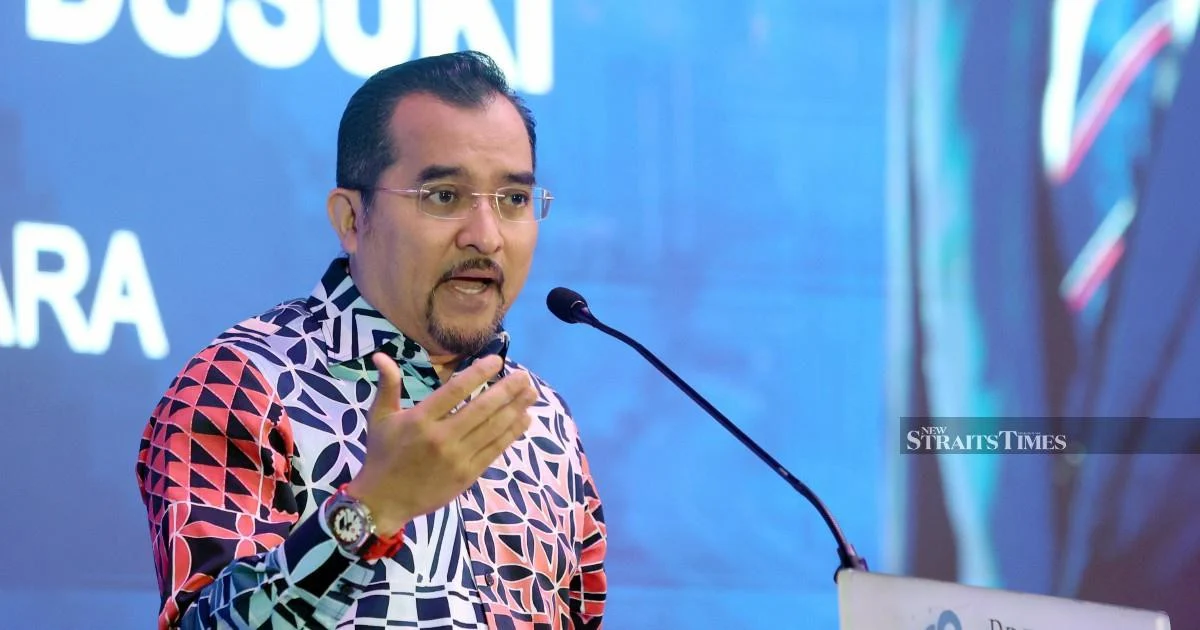
Majlis Amanah Rakyat (Mara) has signalled it will defer any institutional response to bullying allegations involving six students at a junior science college in Johor until the police investigation reaches completion. The development marks a cautious approach from the agency responsible for overseeing Malaysia's network of residential scholarship schools, suggesting senior management views the case as too sensitive for premature action.
The delay underscores how bullying incidents within Malaysia's premier boarding institutions have become matters of heightened scrutiny. MRSM colleges, which serve as pathways for academically gifted students from less advantaged backgrounds, operate under significant public and parental expectations regarding student welfare and discipline. Any mishandling of such cases risks damaging institutional credibility and raising questions about duty of care protocols.
Mara's waiting stance reflects a broader institutional prudence increasingly common among educational bodies facing allegations of student misconduct. By tying action specifically to the conclusion of formal police investigations, the agency positions itself to make decisions grounded in verified evidence rather than preliminary information or institutional assumptions. This sequential approach—investigation first, institutional response second—has become standard practice in Malaysia's education sector.
The timing of this case arrives amid growing national awareness around school bullying dynamics. Malaysian parents and civil society groups have become more vocal about expecting transparent investigations and proportionate sanctions. Educational institutions that move hastily without complete information risk accusations of bias or inadequacy, while those that appear too passive face criticism for failing to protect vulnerable students. Mara's decision to await completion of formal procedures occupies safer middle ground from a reputational standpoint.
The police investigation will likely examine circumstances surrounding the bullying incident, identify which students bore direct responsibility, assess the severity and nature of the misconduct, and determine whether criminal charges warrant consideration. Only after this detailed examination will Mara administrators possess the full contextual picture necessary for informed disciplinary decision-making. The complexity of such cases often reveals nuances invisible in initial reports—provocation histories, mutual antagonism patterns, or institutional oversight gaps that shape appropriate responses.
For the student who experienced bullying, the extended timeline presents challenges. The emotional toll and potential educational disruption caused by bullying rarely pause while institutions coordinate procedures. Mental health support, academic adjustment accommodations, and the student's sense of physical safety within the institution demand attention even as formal investigations proceed. Mara will need to demonstrate it is addressing these immediate welfare concerns separately from its suspended disciplinary process.
Parents of all students involved—both the bullying victims and the accused—will scrutinise Mara's eventual response closely. The families of accused students may fear excessive punishment based on incomplete evidence, while the bullied student's family may worry about insufficient consequences. Managing these competing tensions within a pressure-cooker residential environment presents significant institutional challenges that pure procedural adherence cannot fully resolve.
The incident also reflects broader questions about peer dynamics within Malaysia's most selective residential colleges. These institutions concentrate accomplished, competitive young people in high-pressure academic environments where social hierarchies and status anxieties sometimes crystallise into harmful behaviour. Bullying in such settings often carries distinct characteristics—it may target perceived weaknesses or differences more ruthlessly, involve more sophisticated exclusion tactics, or encompass academic sabotage alongside physical or verbal intimidation. Understanding these contextual factors is essential for meaningful reform.
Mara's handling of this situation will set precedent for how Malaysia's educational authorities manage future bullying cases. The agency's willingness to wait for complete information rather than act reactively sends important signals about institutional accountability. However, the period of waiting must not become indefinite or used as excuse for inaction on student welfare measures. The distinction between due process for determining sanctions and urgent duty to protect vulnerable students remains crucial.
The case demonstrates how modern bullying incidents penetrate multiple systems simultaneously—family concerns trigger police involvement, which extends institutional decision-making timelines, all while affected students navigate their educational and social lives in uncertainty. Mara's structured approach, while procedurally sound, occurs within this complex reality where investigation tempo cannot shield students from ongoing psychological or social consequences.
Once the police investigation concludes, Mara will face genuine complexity in calibrating appropriate institutional consequences. Simple expulsion or suspension may not address underlying issues; conversely, insufficient action may suggest institutional tolerance of harmful behaviour. How the agency navigates this final decision will reverberate across Malaysia's education sector, influencing how other institutions handle similar allegations and shaping student expectations regarding protection and accountability.

