The Majlis Amanah Rakyat (MARA) is examining its standard operating procedures for student outings at the Mara Junior Science Colleges (MRSM) in response to an incident where two students went missing, though the organisation's leadership has signalled it will not implement sweeping restrictions that could undermine developmental opportunities for its scholars.
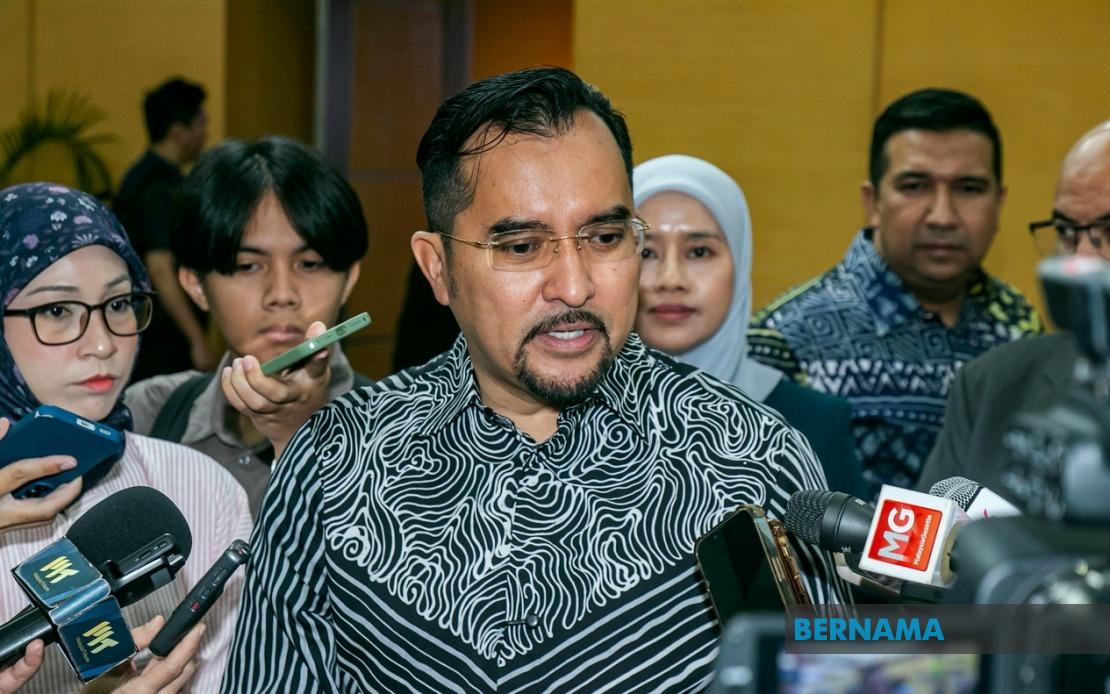
Datuk Dr Asyraf Wajdi Dusuki, MARA's chairman, characterised the disappearance of the two Form Four students from MRSM Alor Gajah in Melaka on August 11 as an isolated occurrence that should not precipitate blanket policy changes across the college network. Speaking after a 2026 pre-departure programme for MARA-sponsored students in Kuala Lumpur, Asyraf Wajdi struck a careful balance between acknowledging the incident and defending the existing framework that has governed student privileges for years.
The two 16-year-old students vanished after visiting a health clinic and were discovered four days later near Pasar Seni in Kuala Lumpur. According to Asyraf Wajdi, one of the students experienced a panic attack following her discovery and was subsequently hospitalised for shock. This detail underscores the emotional toll the incident had on those involved, adding context to why families and institutional stakeholders were concerned about the circumstances surrounding their disappearance.
Under the current system, MRSM students have historically been permitted to venture into town once or twice monthly under specific conditions, without mandatory teacher supervision. This policy reflects a deliberate educational philosophy within MARA institutions that prioritises student autonomy and personal development. Asyraf Wajdi's comments suggest the organisation views these excursions as integral to helping young scholars develop maturity and independence—qualities deemed essential for their growth beyond the classroom.
The chairman called for restraint in applying this case as a template for overhauling institutional regulations. His statement carries implicit criticism of any rush to impose restrictive measures, though he acknowledged that a formal review of procedures was underway. This measured approach reflects awareness that excessive limitations could backfire, potentially damaging the reputation of MRSM as a premier educational institution and creating frustration among students who value their freedom of movement.
Police in Alor Gajah contacted MARA officials to assist with investigations into the circumstances of the disappearance. Asyraf Wajdi noted that findings could not yet be disclosed, suggesting the matter remains under active investigation. This restraint on releasing details respects ongoing police work and acknowledges that premature speculation could prejudice inquiries or the privacy of the students involved.
For Malaysian parents and stakeholders in the education sector, the incident raises important questions about the balance between student welfare and institutional autonomy. MRSM colleges draw their student body from across the country, and families entrust these institutions with care for their children during formative adolescent years. The way MARA responds to safety concerns will likely influence how parents and the broader public perceive the adequacy of safeguarding mechanisms at elite boarding institutions throughout Malaysia.
The timing of this incident also reflects broader societal conversations about youth safety in an increasingly mobile, digital age. While the previous generation of Malaysian boarding school students operated with similar freedoms, contemporary parents and policymakers often grapple with heightened anxiety about teenagers in urban environments. The discovery of the students near Pasar Seni—a busy public area in central Kuala Lumpur—suggests they were not in an inherently dangerous location, yet the incident was serious enough to warrant official review and public discussion.
ARAF Wajdi's emphasis on maintaining existing privileges while reviewing procedures suggests MARA is seeking a middle path: demonstrating responsiveness to safety concerns without dismantling the developmental freedoms that distinguish its institutions. Whether the revised SOPs will introduce additional safeguards—such as enhanced communication protocols, designated outing zones, or periodic check-ins—remains to be seen, but the chairman's public comments indicate any changes will be calibrated rather than draconian.
The incident also has implications for how Malaysian boarding institutions communicate with parents and manage reputational risk in an age of rapid information sharing and social media scrutiny. MARA's proactive engagement with media and its clear messaging about the incident's isolated nature suggest institutional leadership is attuned to managing public perception while investigations proceed. This approach aims to prevent the single incident from triggering broader loss of confidence in MRSM's institutional quality.
As the review progresses, attention will focus on whether MARA identifies systemic gaps or whether the disappearance is genuinely attributable to unique, non-preventable circumstances. The distinction matters significantly: if vulnerabilities in current procedures are revealed, reform becomes both necessary and justified; if the case proves genuinely anomalous, maintaining the status quo becomes more defensible. Asyraf Wajdi's framing suggests MARA is proceeding from the latter assumption, though the formal review will ultimately determine whether that confidence is warranted.

