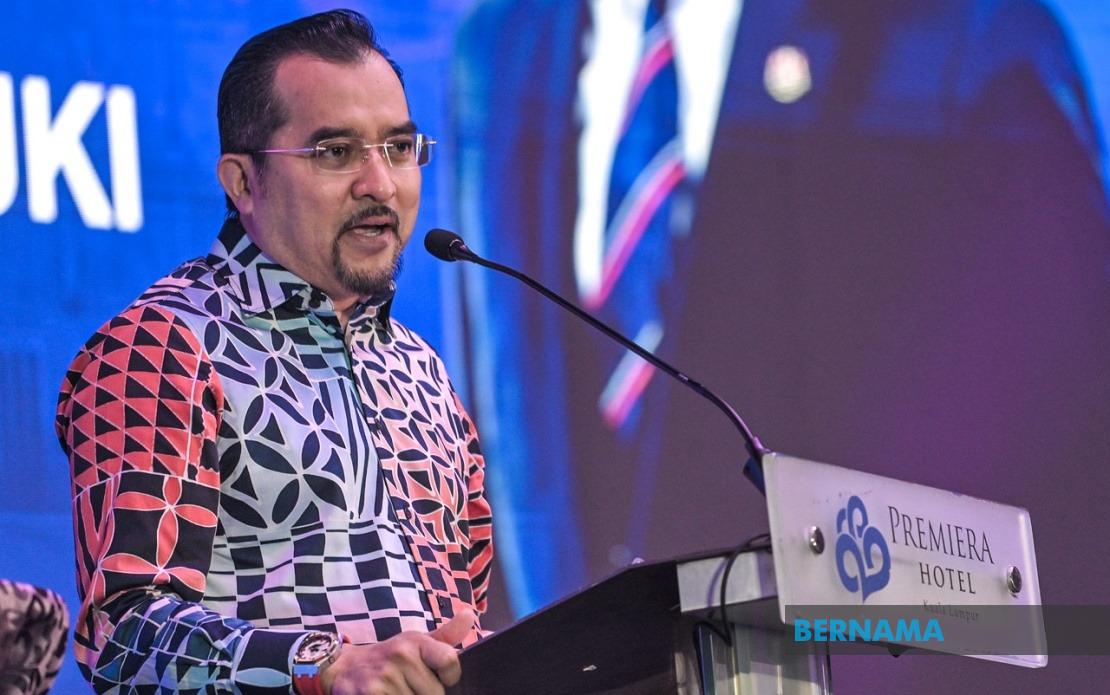
The Majlis Amanah Rakyat (MARA) is embarking on a substantial restructuring of its dormitory management approach, deploying former military personnel as dedicated wardens across its network of junior science colleges to reinforce discipline and character formation among students. The initiative, announced by MARA chairman Datuk Dr Asyraf Wajdi Dusuki, reflects a strategic shift towards leveraging military experience to address governance challenges in residential institutions across the nation.
Rolling out in phases, the programme will first take root in ten colleges during the current year, before expanding to encompass all 58 MRSM facilities starting January 2025. This measured approach allows MARA to refine operational procedures and gather feedback before full implementation, potentially serving as a model for other residential educational institutions considering similar reforms. Each college will eventually accommodate four wardens—a balanced pair of male and female staff members—ensuring representation and appropriate supervision across mixed-gender dormitories.
The selection process for male wardens has already concluded, with female candidate screening set to wrap up within the week. MARA undertook rigorous vetting procedures in partnership with the Malaysian Armed Forces (ATM) and allied government bodies to guarantee that only individuals boasting exemplary service records enter these roles. This collaborative approach demonstrates institutional commitment to importing proven management practices from the military sector into educational environments, acknowledging that former servicemen and women bring operational discipline and proven crisis management capabilities.
In contextualizing this decision, Datuk Dr Asyraf Wajdi highlighted that military backgrounds equip wardens with the structural discipline and systematic thinking required to manage large residential populations effectively. Simultaneously, deploying dedicated personnel reduces the supervisory burden on academic staff, allowing teachers to concentrate on pedagogy rather than administrative and pastoral duties. This separation of functions represents a recognition that maintaining classroom excellence and managing dormitory life require distinct skill sets and time commitments.
Mara's emphasis on discipline and character development signals institutional positioning around values formation as central to its educational mission. In an era when Malaysian employers increasingly stress soft skills, ethical conduct, and workplace readiness alongside technical proficiency, embedding character development into residential college life provides comprehensive student preparation. The deployment of military-trained wardens suggests MARA views discipline not as punitive but as foundational to creating environments where academic and personal growth can flourish.
Beyond the warden initiative, MARA is projecting institutional momentum through strong graduate outcomes. The organization's Technical and Vocational Education and Training (TVET) programmes have achieved a 99.1 per cent employability rate among graduates, a figure substantially surpassing national workforce absorption benchmarks. These outcomes reflect effective industry alignment and curriculum responsiveness, positioning MARA's vocational pathways as economically viable alternatives to traditional university routes for Malaysian students navigating tertiary options.
Samsung's recent recruitment of 700 MARA students at starting salaries of RM3,500 exemplifies the premium positioning of MARA graduates within manufacturing and technology sectors. Such high-volume corporate hiring demonstrates that employers recognize institutional quality and graduate readiness for immediate productive contribution. The salary premium indicates that MARA's emphasis on practical, industry-relevant skills translates into measurable market value, creating compelling narratives for students evaluating educational pathways and for parents considering investment in TVET qualifications.
MARA's allocation of RM145,000 in special excellence funding to five top-performing MRSM colleges, selected based on Sijil Pelajaran Malaysia (SPM) examination results, reflects investment in institutional excellence and recognition of high-achieving sites. This targeted resourcing strategy incentivizes sustained academic performance while enabling premier colleges to pilot innovations and enhance offerings, potentially creating demonstration effects across the broader MRSM network.
For Malaysian readers, these developments carry significance across multiple dimensions. For parents evaluating residential college options, the warden deployment promises improved dormitory management and safer, more structured living environments. For employers seeking disciplined, technically competent workers, the combination of enhanced character development and strong vocational skills positioning makes MARA graduates increasingly competitive candidates. For policymakers, MARA's integration of military personnel into educational administration demonstrates innovative institutional adaptation and cross-sector collaboration in addressing contemporary challenges.
The broader implication suggests that Malaysia's educational institutions are increasingly willing to experiment with unconventional approaches to longstanding challenges. By importing military discipline mechanisms into civilian educational contexts, MARA signals recognition that traditional teacher-centric residential models may require supplementation through specialized personnel. This approach could influence how other Malaysian schools and colleges conceptualize pastoral care and student management, potentially stimulating sector-wide discussion about optimal resource allocation between academic and pastoral functions.
Looking forward, the success of MARA's warden programme will likely determine its sustainability and potential replication. If phased implementation at ten colleges yields measurable improvements in discipline metrics, student satisfaction, and academic outcomes, MARA will strengthen its case for complete rollout and may inspire similar initiatives elsewhere in the Malaysian educational ecosystem. Conversely, implementation challenges could prompt refinement or alternative approaches. Regardless, MARA's willingness to invest in systematic pastoral infrastructure reflects institutional seriousness about holistic graduate development in an increasingly competitive knowledge economy.

