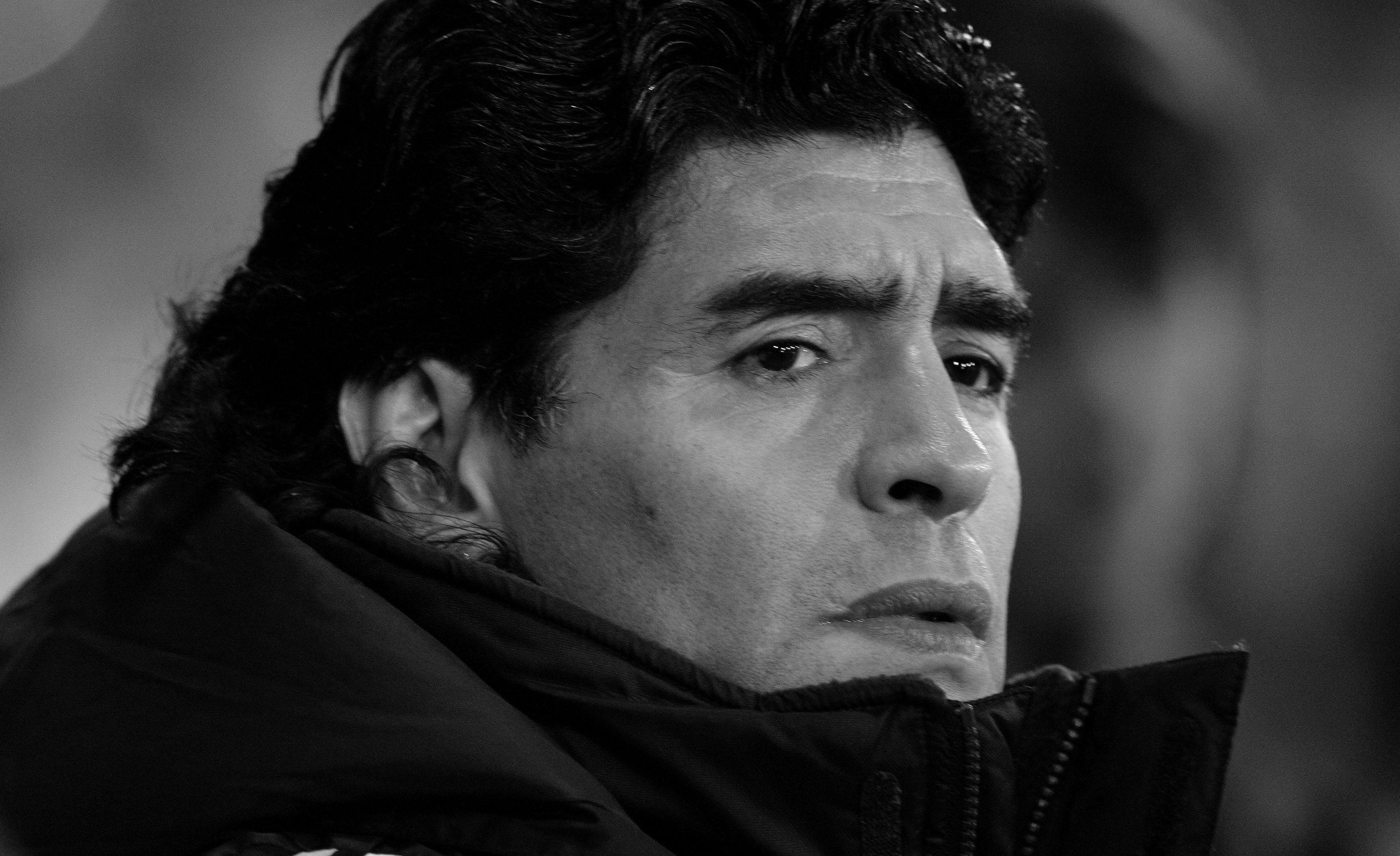
The judicial proceedings investigating the circumstances surrounding Diego Maradona's death have been halted indefinitely after court officials discovered a significant administrative error involving critical medical documentation. According to reports carried by the German Press Agency, kidney test results presented as evidence in the trial actually belonged to Maradona's father, Diego Senior, who passed away in 2015, rather than the legendary footballer himself. The revelation prompted the court to suspend proceedings for one week while ordering authorities to locate and secure the correct medical records relevant to the case.
Maradona, widely regarded as one of football's greatest players and captain of Argentina's 1986 World Cup-winning team, died on November 25, 2020, following a heart attack. The subsequent investigation uncovered what prosecutors characterize as serious lapses in the at-home medical care provided to the then 60-year-old in the weeks preceding his death. The case represents a significant moment in Argentine legal history, as it scrutinizes the circumstances surrounding one of the nation's most celebrated sporting figures.
The defendant list reads as a comprehensive roster of those involved in Maradona's personal healthcare. Leopoldo Luque, identified as the footballer's personal physician, faces the most prominent role in the proceedings. Alongside Luque, psychiatrist Agustina Cosachov stands accused, along with an unnamed psychologist and additional medical professional. The medical coordinator responsible for liaising with Maradona's health insurer and two care workers also face charges. The prosecution alleges manslaughter across all defendants, though each has categorically denied wrongdoing.
The medical complexity of Maradona's final months adds a crucial dimension to understanding the trial's significance. Just weeks before his fatal heart attack, the football icon underwent brain surgery, a procedure that would typically require careful post-operative monitoring and specialized aftercare. Investigators have focused extensively on whether those responsible for his recovery properly managed the rehabilitation process and whether adequate precautions were taken given his age and medical history. The allegations suggest that fundamental errors in judgment and execution marked his home care arrangements during this vulnerable period.
This current suspension represents the second major disruption to the legal process. An earlier trial was declared null and void in May of the previous year after proceeding for just 21 days. That termination occurred following the suspension of one member of the three-judge panel from further participation, having been found to have engaged in an unauthorized documentary film production about the trial itself. Such a breach raised serious questions about judicial impartiality and the integrity of the proceedings, necessitating a complete restart of the legal process.
The administrative errors now plaguing the second trial attempt highlight broader concerns about how complex cases involving prominent figures are managed within the Argentine judicial system. Medical trials demand meticulous attention to documentary evidence, as test results form the foundation upon which expert testimony and professional accountability assessments are built. The confusion between records belonging to Maradona and his deceased father suggests potential systemic weaknesses in how medical evidence is catalogued, verified, and presented in court.
For Malaysian observers and Southeast Asian legal professionals, this case offers instructive lessons about the vulnerabilities that can undermine even high-profile prosecutions. The intersection of celebrity status, medical complexity, and institutional oversight creates unique pressures on judicial systems worldwide. Argentina's experience demonstrates that even in cases attracting intense public scrutiny, basic procedural safeguards can fail without vigilant oversight and verification protocols.
The ramifications extend beyond the immediate defendants and their families. Professional accountability in medical practice represents a universal concern, transcending national boundaries. The trial ultimately addresses fundamental questions about standards of care, professional responsibility, and whether those entrusted with vulnerable patients' wellbeing can face meaningful consequences when serious failures occur. These questions resonate particularly in Southeast Asia, where medical regulation and professional oversight continue evolving.
The week-long suspension provides an opportunity for legal teams to verify documentation thoroughly and prevent further evidentiary mishaps. However, the incident has already cast doubt on the trial's trajectory and raises questions about whether the accumulated procedural complications might ultimately undermine public confidence in the verdict, whatever its outcome. The court's decision to order seizure of actual medical records suggests awareness of these concerns and an attempt to establish a firmer evidentiary foundation moving forward.
As proceedings resume following the suspension, observers will watch closely whether the correct documentation restores coherence to the prosecution's case or whether additional inconsistencies emerge. For Maradona's family and those seeking accountability for his death, the repeated procedural setbacks represent painful delays in achieving closure. The case continues to symbolize the complex intersection of Argentine sporting legacy, medical accountability, and judicial capacity to deliver justice in circumstances marked by prominence and complexity.

