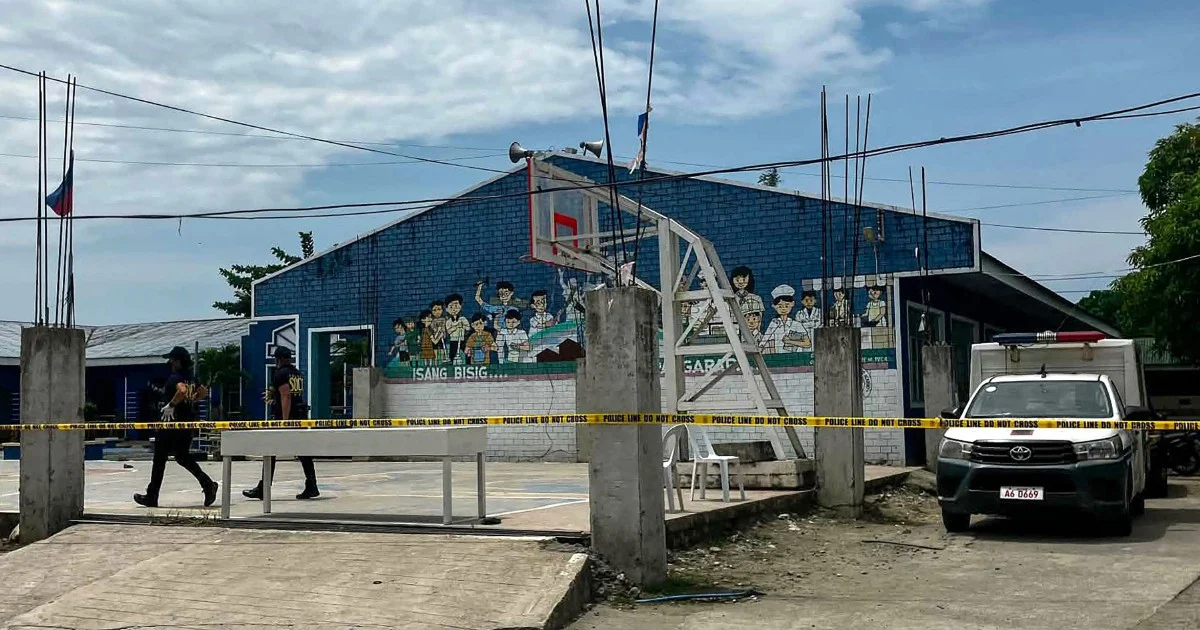
Philippine President Ferdinand Marcos Jr has ordered a formal investigation into a shooting incident at a school in Tacloban that resulted in three deaths and five injuries, marking another troubling episode of armed violence touching educational facilities in the Southeast Asian nation.
The directive came on Monday as authorities began gathering evidence and witness accounts from the incident. The swift presidential order underscores growing alarm within government circles about the frequency and nature of armed attacks on schools, which serve as vital community anchors in the Philippines.
School shootings remain relatively uncommon in the broader Southeast Asian context, though the Philippines has grappled persistently with gun violence stemming from a combination of factors including widespread informal firearms ownership, remnants of conflict-era arsenals, and inadequate regulation of weapons. The Tacloban incident stands as a stark reminder that security vulnerabilities extend beyond traditional high-risk locations to spaces ostensibly dedicated to child safety and learning.
Tacloban, the capital of Leyte province and a city of approximately 242,000 residents, has previously experienced security challenges despite reconstruction efforts following natural disasters. The city's history makes it particularly sensitive to threats affecting civilian spaces, given its experience with multiple typhoons and the devastation that followed Typhoon Haiyan in 2013.
The investigation's scope will likely examine multiple dimensions of the incident, including the shooter's identity and motive, potential connections to organized groups or personal grievances, and critical lapses in the school's security infrastructure. Understanding how an armed individual penetrated a school environment where protective measures should theoretically be in place remains crucial to preventing recurrence.
For Malaysian readers, the incident carries implications beyond the Philippines itself. Southeast Asia's interconnected security landscape means that patterns of violence and institutional vulnerabilities in one nation can inform broader regional analysis. Malaysian schools have implemented various security protocols, and comparative examination of Tacloban's experience could yield lessons about resource allocation and risk assessment in educational settings across the region.
The broader Philippine context suggests this incident reflects systemic challenges rather than isolated occurrence. Armed violence claiming civilian lives, particularly in supposedly protected environments, indicates gaps between stated security aspirations and operational reality on the ground. Presidential directives for investigation serve important symbolic and practical functions, signalling governmental concern while initiating formal processes of accountability and reform.
Witness statements from students, teachers, and staff will prove essential in reconstructing events and identifying whether warning signs preceded the attack. Such information also informs future threat-assessment protocols that schools can implement, including training for staff to recognize suspicious behaviour and clear evacuation procedures.
The five injured individuals now face recovery processes that extend beyond immediate physical treatment to psychological trauma, a factor often overlooked in discussions of armed violence. Educational institutions throughout the region increasingly recognize that supporting survivors' mental health constitutes an essential component of institutional responsibility following such incidents.
Philippine authorities face pressure to balance security enhancement with maintaining schools as welcoming, open environments conducive to learning. Overreliance on militarized approaches can create psychological barriers that undermine educational effectiveness, yet insufficient security measures leave vulnerable populations exposed to risk. The investigation will need to identify proportionate, evidence-based solutions that protect without paralyzing.
The incident also highlights questions about firearms regulation enforcement in the Philippines. Despite existing laws governing weapon ownership and use, access to guns remains comparatively easier than in neighbouring nations, creating conditions where motivated individuals can acquire means to inflict mass casualties. Whether the shooter obtained weapons legally or through informal channels will bear implications for policy recommendations emerging from the investigation.
Movement toward concrete outcomes from this inquiry—rather than it becoming merely procedural theatre—depends on political will and resource allocation. Malaysian policymakers and security professionals monitoring regional developments may find Philippine responses instructive regarding both effective and ineffective approaches to preventing armed attacks on civilian institutions.
As investigations proceed, the broader challenge facing the Philippines mirrors concerns across Southeast Asia: how to create educational ecosystems that provide both genuine safety and genuine freedom, where students and staff pursue learning without constant fear while maintaining reasonable protective measures proportionate to actual threat levels.