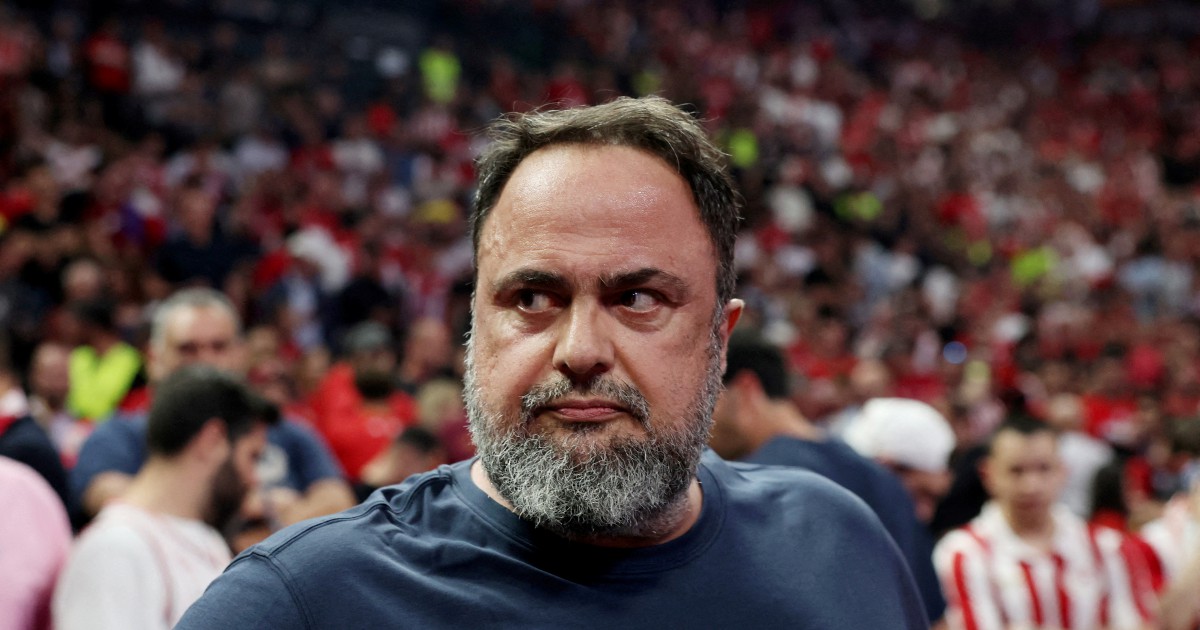
Greek businessman Evangelos Marinakis, who acquired controlling interests in struggling Nottingham Forest and transformed the club's fortunes through substantial investment, has escalated tensions within English football's top tier by commencing libel proceedings against Crystal Palace at London's High Court. The filing on Monday marks a significant moment in the sport's governance landscape, signalling the willingness of wealthy owners to pursue expensive legal action over perceived slights and controversial displays directed at them by opposing supporters.
Media coverage has pointed to a banner unveiled by Crystal Palace fans during a match in the previous season as the catalyst for the lawsuit. The exact wording of the contentious banner has not been formally disclosed in court documents, though various reports have indicated it contained provocative messaging aimed at the Forest owner. The specifics of what constitutes libel in the context of supporter-generated content remain a complex legal territory, particularly given the distinction between defamatory statements and expressions of opinion in a sporting context.
Marinakis assumed control of Nottingham Forest in September 2017, subsequently implementing an aggressive transfer strategy that has attempted to accelerate the club's progression through the Championship and into the Premier League. His tenure has been characterised by substantial financial commitments, with the Greek shipping magnate viewed as one of the division's more ambitious and hands-on proprietors. Beyond his Forest involvement, Marinakis maintains business interests across multiple sectors, making him a prominent figure in European football ownership circles.
The relationship between club owners and supporter groups has become increasingly fraught in recent seasons, with various instances of banner displays and chanting directed at specific individuals. However, resort to the courts over fan-generated content remains relatively uncommon, making this case noteworthy for its potential implications regarding the boundaries between legitimate criticism, sporting expression, and defamation law. The lawsuit effectively tests whether supportive bases retain the freedom to make contentious statements without fear of legal ramification from wealthy owners with access to extensive legal resources.
Crystal Palace, managed and directed from Selhurst Park in south London, must now contend with defending their supporter base while navigating the complexities of the English legal system. The club's position remains delicate, as they must balance protecting the fans who generate the atmosphere and revenue essential to their operations against the potential financial and reputational costs of extended litigation. Defending against a libel claim brought by an owner with substantial financial means presents organisational challenges that extend beyond the pitch.
The case arrives at a time when Premier League clubs and their owners face heightened scrutiny regarding corporate governance, fan engagement, and accountability. The concentration of wealth among proprietors has created an asymmetrical dynamic whereby individuals with extensive resources can utilise the legal system to challenge statements made by supporters or organisations with comparatively limited means. This power imbalance raises broader questions about the nature of supporter representation and the capacity of fan communities to engage in critical discourse regarding those who lead their clubs.
For Malaysian and Southeast Asian football enthusiasts, this development underscores how English football's commercial dynamics increasingly reflect global business practices rather than purely sporting considerations. The Premier League's continued expansion as an international brand has coincided with the influx of overseas wealth and ownership structures that fundamentally alter traditional relationships between clubs, supporters, and proprietors. Understanding these institutional shifts provides context for how the sport operates beyond the field of play.
The High Court proceedings will likely generate significant documentation regarding the banner's specific content, its context, and interpretations of whether the statements qualify as defamatory under English law. Legal experts anticipate the case may establish precedents regarding the treatment of supporter expression and fan-generated content within the framework of libel law. The ruling, whenever it arrives, could influence how clubs and supporters navigate such tensions in future confrontations.
Marinakis has previously demonstrated willingness to engage in legal actions related to his business and sporting interests, suggesting this lawsuit reflects his broader approach to protecting his reputation and commercial investments. The decision to pursue litigation rather than seeking alternative dispute resolution mechanisms indicates the severity with which he views the banner's contents and implications. The substantial costs associated with High Court proceedings ensure this represents a significant commitment to resolving the matter through judicial channels.
As proceedings advance, both parties will undoubtedly invest considerable resources in preparing their cases, with potential implications extending beyond the immediate participants. Other Premier League clubs and their owners are likely monitoring developments closely, recognising that this case may establish important precedents regarding their own interactions with supporter communities. The outcome could fundamentally shape how football's upper echelons navigate relations with the fan bases that constitute their core constituencies and revenue generators.
Ultimately, this lawsuit encapsulates broader tensions within modern football regarding power dynamics, commercial interests, and the spaces available for critical expression. The court's determination will offer insight into how English law reconciles the protection of individual reputation against rights to free expression, particularly within the specific context of sporting rivalries and supporter culture. The case represents a critical moment in examining the boundaries between acceptable sporting discourse and unlawful defamation.

