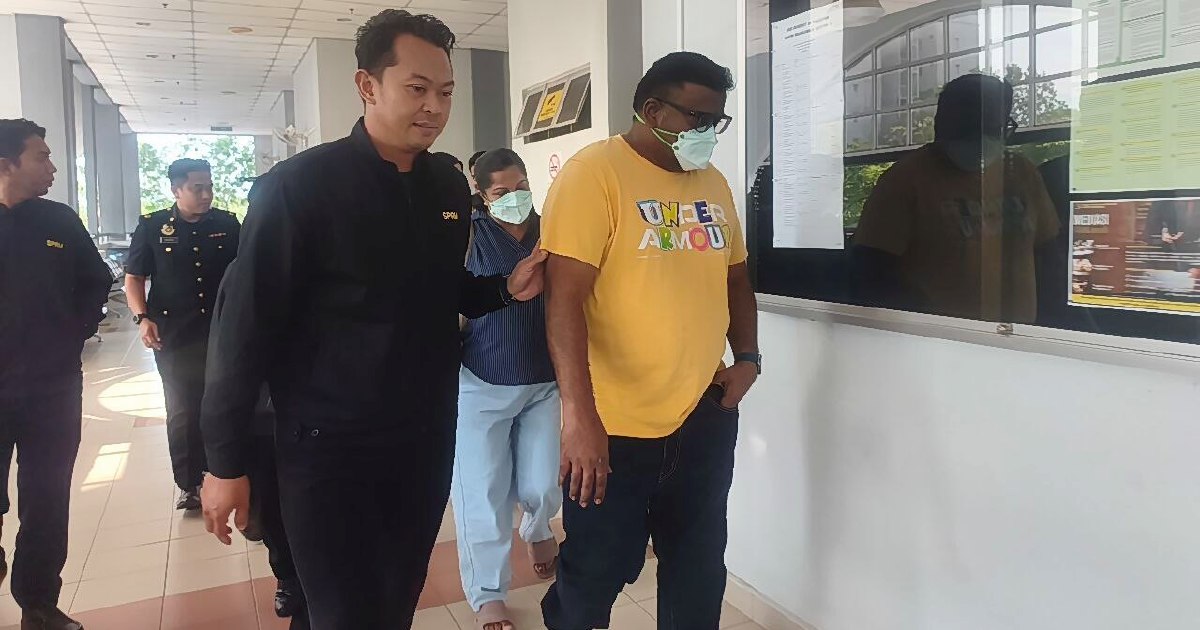
Three defendants appeared before Seremban Sessions Court this week to answer charges related to fraudulent claims submitted to Perkeso, Malaysia's Social Security Organisation. The group comprises a married couple along with one additional individual, all of whom have entered not guilty pleas to the allegations. The case marks another instance in what has become an increasingly significant area of concern for the authorities overseeing social security benefits and workplace incentive schemes across the country.
Perkeso plays a crucial role in Malaysia's social protection framework, administering mandatory coverage for workers in the private sector and administering a range of cash benefits covering occupational accidents, invalidity, and death. The organisation also manages several incentive schemes designed to encourage workplace safety, rehabilitation, and employment of disabled workers. Fraudulent claims against these schemes represent a direct drain on resources intended for legitimate beneficiaries and undermine the integrity of systems designed to protect Malaysia's workforce.
The not guilty pleas entered by the defendants suggest they will mount a defence against the allegations rather than accept the charges outright. This development means the case will proceed to trial, where prosecutors will need to present evidence demonstrating the defendants' involvement in submitting false information or assisting others in doing so. The presence of a married couple among the accused raises questions about whether the alleged activities were conducted within a family context or whether the spousal relationship was coincidental to the charges.
Workplace benefit fraud remains a persistent challenge for Malaysian authorities, with Perkeso regularly investigating claims where applicants or their representatives provide inaccurate information to obtain benefits they are not entitled to receive. Such schemes may involve misrepresenting work-related injuries, exaggerating the severity of disabilities, or providing false documentation to support claims. The social and economic consequences of such fraud extend beyond individual cases, as resources diverted to fraudulent claimants reduce the support available for genuine cases requiring assistance.
The Sessions Court hearing in Seremban represents part of the judicial process that will determine culpability in this matter. The court system's handling of such cases reflects broader government efforts to combat fraud within social security and workplace protection systems. Conviction rates and penalties in these cases serve as important deterrents, signalling to potential offenders that Perkeso takes its mandate seriously and that the justice system will hold perpetrators accountable.
For Malaysian workers and employers, cases such as this underscore the importance of accurate record-keeping and honest claim submission. Legitimate beneficiaries and employers who contribute faithfully to the social security system depend on its integrity and sustainability. When fraudulent claims deplete resources, the organisation's capacity to deliver services to deserving recipients may be compromised, potentially affecting benefit levels or processing times.
The investigation and prosecution of these charges likely involved collaboration between Perkeso's internal enforcement mechanisms and law enforcement agencies. The level of detail required to establish false claims often necessitates careful examination of documents, communications, and witness statements. This investigative work ensures that only cases with sufficient evidence proceed to prosecution, maintaining the credibility of the legal process.
As the trial progresses, the Seremban Sessions Court will examine the specific nature of the false incentive claims in question. Incentive schemes administered by Perkeso serve important policy objectives, including encouraging employers to hire persons with disabilities and promoting workplace safety initiatives. When these schemes are manipulated through false claims, they fail to achieve their intended social and economic goals.
The case also highlights the broader regulatory challenges facing Malaysia's social protection system. As the economy evolves and workplace arrangements become more complex—with growing numbers of informal workers and non-traditional employment relationships—ensuring that social security benefits reach appropriate recipients while preventing fraud requires sophisticated detection and enforcement mechanisms. Perkeso's continued investment in compliance monitoring and investigation reflects this ongoing challenge.
These proceedings occur against a backdrop of increased public and governmental focus on financial integrity within government-administered programmes. Multiple agencies across the Malaysian government have intensified efforts to identify and prosecute fraud in various benefit and subsidy schemes, recognising that maintaining public trust in these programmes depends on demonstrable commitment to preventing misuse.
The outcome of this trial will likely influence how similar cases are handled going forward. Legal precedents established in cases involving false Perkeso claims can shape investigative priorities and prosecution strategies across the organisation. For employers and workers contemplating dishonest claim submissions, the message is clear: fraudulent activity carries legal consequences that extend to court proceedings, convictions, and potential imprisonment or fines.
As the case moves through the court system, attention will focus on whether the married couple's joint involvement indicates organised conduct or represents separate coincidental participation. The third defendant's role in the alleged false claims will also become clearer as evidence is presented. These details will help determine whether this represents an isolated incident or part of a broader pattern requiring systemic responses. Ultimately, the court's determination in this matter will reaffirm the principle that social security benefits must be used as intended, serving as a safeguard for Malaysia's workforce while protecting the programmes' long-term viability.

