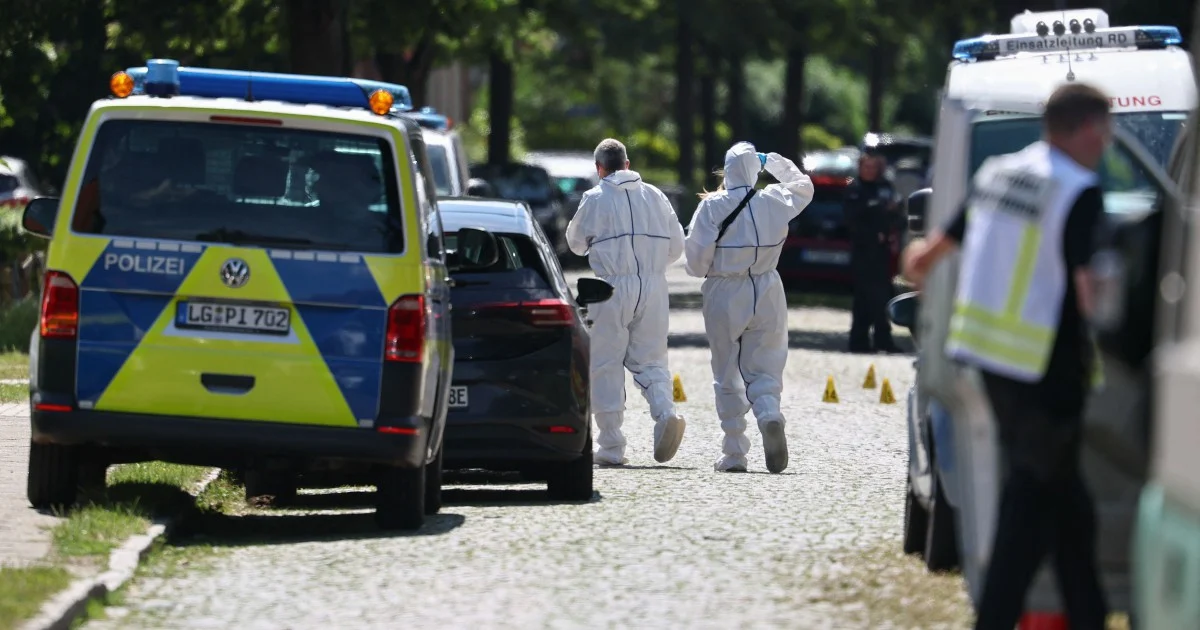
A shooting rampage at a youth welfare facility in Stade, Germany, has left five people dead and shocked a nation that has experienced relatively few mass firearm attacks compared to other Western democracies. Police confirmed the arrest of the suspected gunman on Monday following the incident, marking one of the country's deadliest shootings in several years.
The attack unfolded at a youth welfare centre, an institution typically dedicated to supporting vulnerable young people and families in need of social services. The specific circumstances that led to the shooting remain under investigation, though authorities are examining the suspect's background and motivations. The arrest of the gunman at or near the scene prevented what could have potentially become a more catastrophic loss of life.
Germany maintains some of the strictest gun control legislation in Europe, requiring extensive licensing procedures, background checks, and restrictions on firearm types. Despite these regulations, the country has experienced occasional incidents of armed violence. Mass shootings remain statistically uncommon compared to nations with less restrictive firearms policies, making each incident particularly noteworthy when it occurs.
The incident highlights ongoing concerns across Europe regarding gun violence and security at public facilities, particularly those serving vulnerable populations such as youth services. Welfare centres and social care institutions typically operate with limited security measures, as they are designed to be accessible and welcoming rather than fortified environments. This vulnerability came into sharp focus following Monday's attack.
For Malaysian readers, Germany's response to such incidents offers comparative context. While Malaysia has experienced isolated mass casualty events, the prevalence of such incidents in developed Western nations—despite stringent regulations—demonstrates that gun violence remains a persistent challenge across different socioeconomic and regulatory contexts. Germany's strict licensing framework contrasts with the relatively permissive environments in some neighbouring countries, yet incidents still occur.
The broader implications for European security policy are significant. Such attacks typically prompt renewed discussions about mental health services, threat assessment protocols, and the adequacy of law enforcement responses. In Germany specifically, authorities may review security protocols at social services facilities and examine whether early warning signs in the suspect's history were properly evaluated.
Social welfare workers across Europe frequently encounter individuals in crisis, including those with potential propensities for violence. The shooting raises difficult questions about how to balance the open-door approach necessary for social services with enhanced security measures that could deter vulnerable individuals from seeking help. This tension between accessibility and safety presents a persistent dilemma for policymakers and administrators.
The incident will likely intensify political debate in Germany regarding gun regulations, even as existing laws are already among Europe's most comprehensive. Conservative politicians may call for enhanced enforcement of current restrictions, while those advocating stricter measures will point to the incident as evidence that even stringent regulations cannot eliminate all risk. Such conversations typically involve balancing public safety with constitutional considerations regarding individual rights.
International media attention on the Stade shooting extends beyond Germany, as European nations monitor security trends and threat assessments. Law enforcement agencies across the continent share intelligence regarding mass casualty incidents, identifying patterns and developing improved response protocols. The incident will undoubtedly feature in training materials and policy discussions throughout European police services.
For families and communities directly affected by the shooting, the immediate focus falls on victim identification, support services, and investigation of circumstances leading to the tragedy. Counselling and trauma support services will be mobilized for survivors and witnesses. The community of Stade will likely experience significant psychological impact, requiring sustained attention from mental health professionals and community leaders.
The arrest of the suspected gunman initiates legal proceedings that will extend over months or years, depending on case complexity and trial schedules in German courts. Prosecutors will work to establish the shooter's motivations, assess mental health status, and determine applicable criminal charges. This legal process itself will generate continued attention and analysis as details emerge.
The shooting serves as a sobering reminder that even prosperous, highly regulated societies with comprehensive social safety nets and stringent gun control measures cannot entirely eliminate the risk of mass violence. Understanding root causes—whether linked to mental illness, personal grievances, ideological extremism, or other factors—remains critical for developing preventive strategies. In this instance, investigation findings may reveal lessons applicable to threat assessment and early intervention in other jurisdictions.

