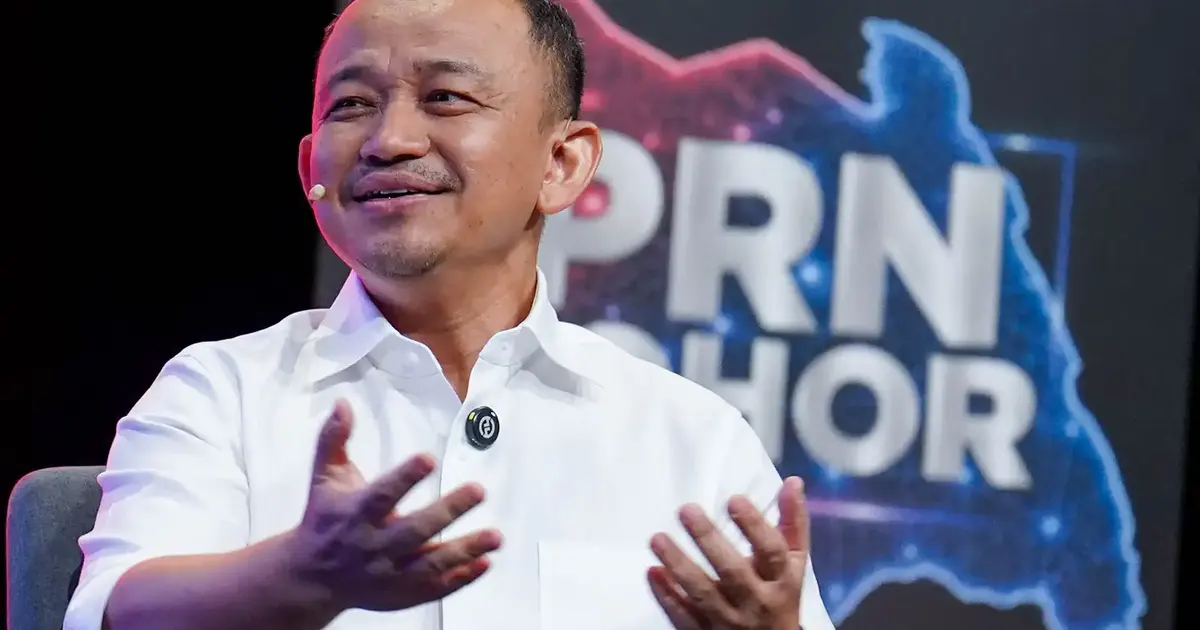
Maszlee Malik, who served as Malaysia's education minister before losing his parliamentary seat in the 2022 general election, appears poised for a significant political resurgence with an unofficial challenge to the Puteri Wangsa constituency. The move represents a calculated reset for the politician after his defeat in Simpang Renggam during GE15, marking his determination to return to Parliament and reassert his influence within the political landscape.
The Puteri Wangsa seat, located in the Kuala Lumpur metropolitan region, has become the focal point of Maszlee's efforts to rebuild his political presence. The constituency, which has historically been competitive, offers him an opportunity to leverage residual support and reshape his political narrative. This shift from his previous stronghold in Simpang Renggam in Johor suggests a strategic repositioning aimed at reconnecting with urban voters who may have been receptive to his policy platforms during his tenure as education minister.
Maszlee's education portfolio carried considerable weight in national discourse, encompassing curriculum reform, student welfare, and institution management. His removal from the position following the 2022 election results signalled a broader shift in voter preferences and coalition politics. The fact that he is now pursuing another seat demonstrates resilience and suggests backing from political allies willing to support his return despite previous electoral setbacks. Such backing would be essential in a competitive electoral environment where name recognition alone rarely suffices.
The Puteri Wangsa challenge implicitly represents a contest against the Muda party, which holds or claims interests in the seat. Muda, the relative newcomer to Malaysia's political ecosystem, has cultivated support among younger, urban demographics with reform-oriented messaging. A direct confrontation between Maszlee's more established political credentials and Muda's youth-focused platform would reflect broader ideological tensions within Malaysia's centre-left political space, where both entities appeal to overlapping voter bases seeking progressive change.
Maszlee's path since GE15 has involved recalibration and strategic repositioning. His previous ministerial experience provides tangible accomplishments and policy expertise that distinguish him from many newer political entrants. However, the two-year gap since his electoral loss has meant reduced visibility and political leverage, challenges he must overcome to regain momentum. A successful transition to Puteri Wangsa would validate his ability to command voter support in a different geographic and demographic context than his former Simpang Renggam base.
The timing of this political move carries implications for Malaysia's broader coalition dynamics. With the 2022 general election having produced a complex parliamentary landscape requiring continued coalition-building, individual political comebacks often test the stability and internal cohesion of larger groupings. Maszlee's efforts to regain parliamentary representation would strengthen whichever coalition ultimately backs his candidacy, adding another voice to their legislative caucus and potentially shifting internal power equations.
For Puteri Wangsa constituents, the contest between Maszlee and incumbent or rival candidates offers a choice between different visions for parliamentary representation. Maszlee brings ministerial experience and established policy positions, while opponents may emphasise newer approaches or stronger local rootedness. The constituency, encompassing urban Kuala Lumpur residents with diverse professional backgrounds and educational interests, represents precisely the demographic that engaged substantively with Maszlee's education ministry initiatives, potentially creating receptive ground for his campaign.
The broader significance of Maszlee's comeback attempt extends beyond individual electoral fortunes. His previous ministerial position made him a focal point for national education debates, and his return to Parliament would reintroduce those policy discussions into legislative proceedings. Whether he can translate ministerial experience into renewed electoral support will partly determine the trajectory of education policy discussions in Malaysian politics, as established figures with portfolio experience carry greater weight in parliamentary debates than those lacking such credentials.
Uncertainty remains regarding the exact mechanics and official status of Maszlee's Puteri Wangsa bid. Unofficial candidacies often precede formal nominations, allowing for political manoeuvring and coalition negotiations. His success will ultimately depend on securing official party backing, consolidating support among diverse voter groups, and effectively communicating his policy vision to constituents. The election will test whether voters view him as a valuable returning figure capable of improving their constituency's representation or whether they prefer alternative candidates despite his established credentials.
Maszlee's political resurrection, should it succeed, would add nuance to narratives about Malaysia's electoral volatility and politician longevity. Despite losing parliamentary representation, maintaining sufficient political capital and coalition support to return within two years suggests deeper organisational structures and personal networks sustaining political careers beyond individual electoral cycles. His Puteri Wangsa challenge will reveal whether such networks remain intact and whether Malaysian voters remain receptive to established figures seeking political rehabilitation after initial setbacks.

