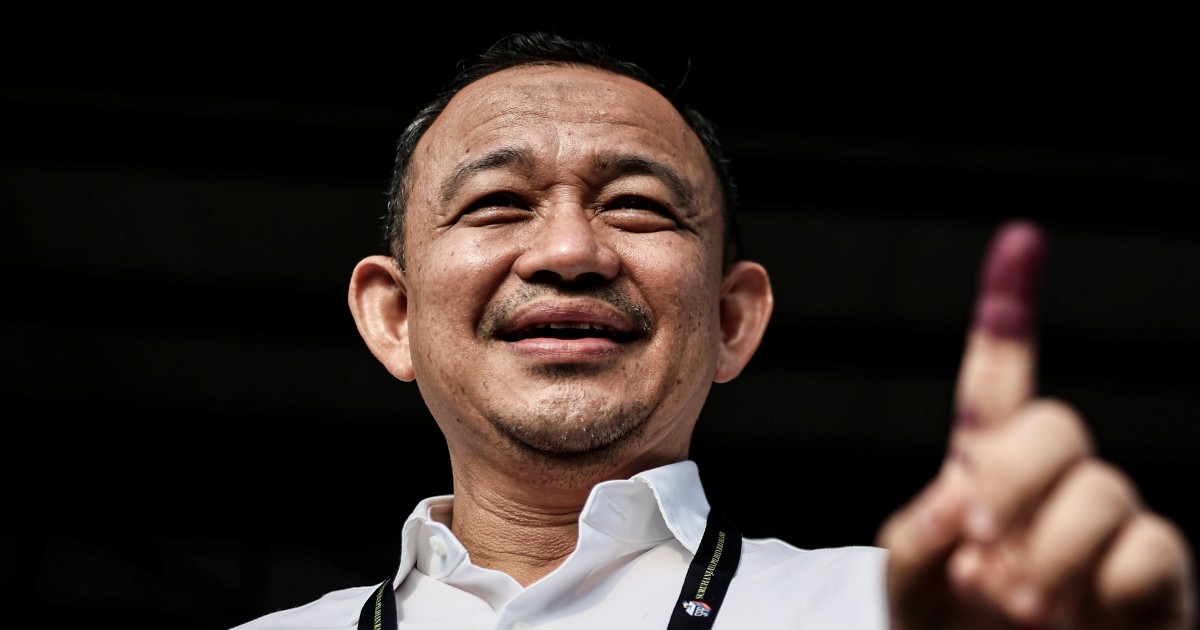
Dr Maszlee Malik, the former federal education minister, is positioned to achieve a historic breakthrough for Pakatan Harapan's PKR component in the Johor state election, according to unofficial tallies emerging from polling day. His performance in the Puteri Wangsa constituency marks a significant milestone for the coalition, which has struggled to establish a foothold in Malaysia's second-largest state despite PH's 2018 federal victory and subsequent regional campaigns.
The result carries particular resonance for PKR, which has invested considerable effort to build organisational capacity across Johor over the past five years. Maszlee's appeal as an intellectual figure within the reform-minded coalition appears to have resonated with voters in an urban-leaning constituency, demonstrating that PH's messaging can penetrate even traditionally difficult terrain. His background as a policy advocate and former ministerial-level administrator has given him credibility across demographic divides that typically favour established parties.
Simultaneously, the unofficial election results reveal a more complex state-level dynamic than pre-polling predictions suggested. Barisan Nasional, despite governing Malaysia since independence, has managed to capture seats in constituencies previously considered secure for Pakatan Harapan. This territorial shift indicates either voter willingness to split their support between different coalitions at state and federal levels, or genuine dissatisfaction with PH's performance and messaging in specific localities. The erosion of opposition strongholds carries implications for coalition durability ahead of future electoral cycles.
For Malaysian politics more broadly, Johor's 2024 election results underscore the shifting volatility within the electorate. Rather than consolidating behind either major coalition, voters appear increasingly prepared to make seat-by-seat judgments based on local factors, candidate quality, and performance records. This fragmentation complicates longer-term planning for both BN and PH, which must now compete more intensively in constituencies previously taken for granted.
BN's unexpected gains in opposition territories suggest the coalition has refined its ground game and messaging after years of relative electoral decline at the federal level. The party machinery has traditionally maintained stronger grassroots networks than PH in Johor, where BN governments ruled continuously until 2018, and these structural advantages appear to have translated into competitive performance even as national sentiment has shifted. The coalition's ability to reclaim ground in specific constituencies while PH advances elsewhere indicates genuine strategic competition rather than one-sided momentum.
Maszlee's potential victory must also be contextualised within PKR's broader performance across Johor. A single impressive result, while symbolically important, does not guarantee the coalition's long-term competitiveness in a state where it remains institutionally disadvantaged. PH's challenge involves translating occasional breakthrough victories into consistent performance across multiple constituencies, requiring sustained organisation and effective messaging tailored to Johor's distinct demographics and concerns.
The electoral dynamics in Johor reflect wider patterns visible across Malaysia's competitive political landscape. Urban constituencies increasingly favour reform-oriented candidates and coalitions, while rural and semi-rural areas remain more responsive to established parties' patronage networks and traditional messaging. Maszlee's strong showing in Puteri Wangsa, an urbanised district, aligns with this trend, while BN's gains in other areas suggest complementary patterns in constituencies with different demographic profiles.
For Southeast Asia more broadly, Malaysia's internal political competition remains consequential. The region's largest democracy continues navigating complex transitions between competing blocs, with Johor's electoral outcomes influencing calculations within federal government formation and policy direction. A stronger PH presence in Johor could strengthen opposition capacity to challenge federal governance, while BN's territorial gains reinforce the incumbent coalition's structural advantages despite electoral uncertainty at the national level.
The unofficial results from Johor's election carry particular significance for PKR specifically, which has positioned itself as the reform coalition's organisational core. Maszlee's expected victory provides the party with evidence of electability in difficult terrain, potentially boosting internal morale and recruitment efforts ahead of future campaigns. Success breeds momentum in electoral politics, and even single high-profile victories can shift perceptions about a party's viability and competitive potential.
BN's inroads into opposition strongholds simultaneously demonstrate that the coalition retains capacity to compete effectively despite losing federal power. The party's machinery, though weakened by internal divisions and leadership transitions, continues mobilising voters in constituencies where organisational density and traditional support patterns provide structural advantages. This resilience suggests that Malaysia's electoral competition will remain genuinely contested across multiple cycles rather than gravitating toward one-sided dominance.
Moving forward, both coalitions must carefully analyse Johor's results to refine strategy and deployment of resources. PH's architects will examine whether Maszlee's victory reflects scalable advantages or represents an exception dependent on his personal appeal and profile. BN strategists will evaluate whether their gains represent sustainable progress or temporary beneficiaries of local conditions unlikely to be replicated elsewhere. These calculations will shape the intensity and geographic focus of campaigns leading toward the next electoral opportunity.

