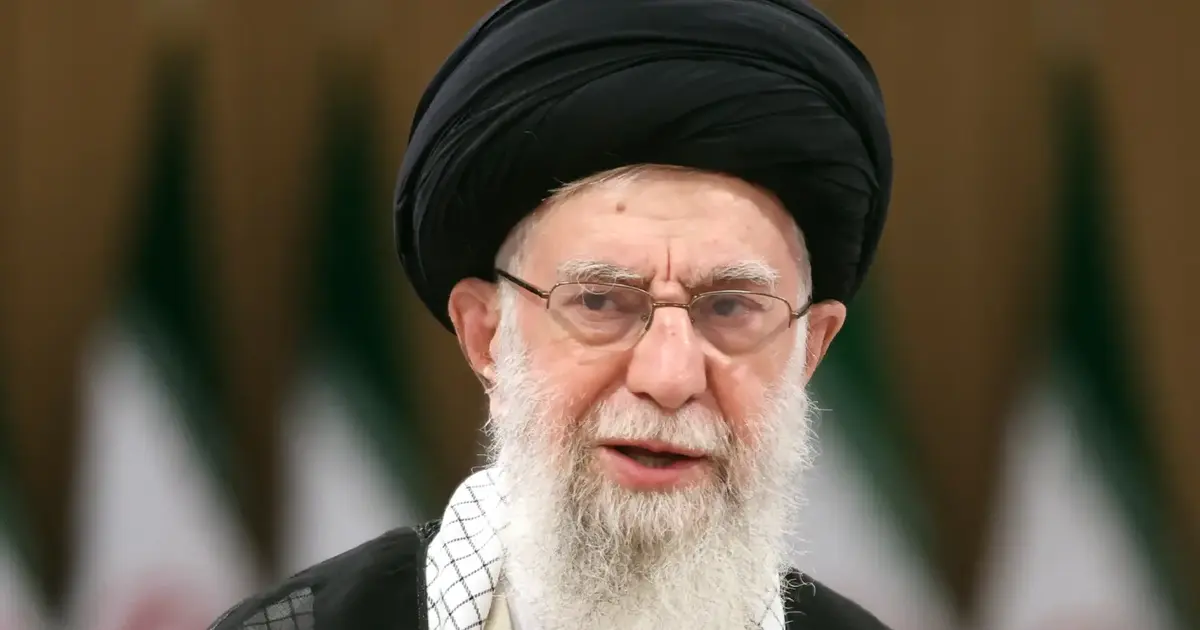
Malaysia will dispatch its Agriculture and Food Security Minister Mohamad Sabu to Tehran to represent the nation at the funeral of Iran's Supreme Leader Ayatollah Ali Khamenei, Prime Minister Anwar Ibrahim announced. The high-level delegation, headed by the senior cabinet member, underscores the diplomatic significance of Malaysia's relationship with Iran and reflects the country's commitment to honouring the passing of one of the Middle East's most influential figures.
The decision to send Mat Sabu, a veteran politician and key member of Anwar's cabinet, signals Malaysia's respect for Iran's spiritual and political leadership. Khamenei, who served as Supreme Leader since 1989, wielded enormous influence over Iran's domestic and foreign policy, making his death a major geopolitical event with reverberations throughout the Muslim-majority nations and beyond. By dispatching a minister of Sabu's stature, Malaysia demonstrates its willingness to maintain cordial ties with Tehran at a sensitive moment.
Malaysia's diplomatic overtures to Iran have historically carried weight in Southeast Asia, given the region's diverse religious and political landscape. The attendance at Khamenei's funeral, scheduled for tomorrow, represents a symbolic gesture that extends beyond ceremonial protocol. It reflects the pragmatic approach Malaysia has adopted toward its international relationships, balancing ties with various Middle Eastern powers while maintaining its own strategic interests. The funeral is expected to draw dignitaries and representatives from dozens of nations, making it a critical forum for diplomatic engagement.
The timing of Malaysia's participation also carries domestic implications. Anwar's government has sought to position itself as a moderate, inclusive administration that engages constructively with diverse nations and ideologies. By ensuring representation at a significant state funeral, the government reinforces its image as a responsible member of the international community that respects protocols and maintains necessary diplomatic channels. This approach contrasts with more isolationist or ideologically rigid foreign policy stances that some nations adopt.
Mat Sabu's portfolio as Agriculture and Food Security Minister adds another dimension to this diplomatic mission. Iran, despite international sanctions and economic pressures, remains a significant agricultural and food producer in the region. Malaysia's agricultural sector, which faces challenges including labour shortages and climate vulnerability, could benefit from enhanced engagement with Tehran on matters of food security and agricultural innovation. The funeral visit may provide informal opportunities to discuss bilateral cooperation in these areas.
Iran occupies a unique position in Malaysian foreign relations. As a major Islamic nation with substantial geopolitical influence, Iran features prominently in Malaysia's calculations regarding Middle Eastern affairs. The country has maintained diplomatic relations with Iran across different Malaysian administrations, recognising that engagement rather than confrontation serves the broader interests of stability in the region. This continuity in diplomatic practice, despite domestic political changes in Malaysia, underscores the bipartisan consensus on maintaining functional relationships with key regional powers.
The funeral itself is expected to be one of the largest state funerals in recent years, drawing political leaders, military officials, and religious figures from across the Islamic world and beyond. Khamenei's death after leading Iran through decades of revolution, war, and international isolation represents a significant transition for the nation. How his successor manages Iran's complex domestic politics and its relationships with international actors will shape Middle Eastern geopolitics for years to come. Malaysia's presence at this moment demonstrates its stake in ensuring regional stability and predictability.
For Malaysia specifically, the attendance sends a message to domestic constituencies as well. The country's significant Shia Muslim minority, while representing a smaller portion of Malaysia's Muslim population, will note that their nation's government maintains respectful engagement with the world's premier Shia Islamic state. Simultaneously, Anwar's government continues to navigate its relationships with Gulf states that maintain more adversarial positions toward Iran, requiring careful diplomatic balance.
The funeral visit also fits within Malaysia's broader non-aligned tradition in foreign policy. Rather than aligning rigidly with any particular bloc or ideological position in global affairs, Malaysia has historically sought to maintain relationships across ideological divides while protecting its own interests. This approach has allowed the country to punch above its weight diplomatically and to serve as a bridge between different regional and international groupings. Khamenei's funeral provides another opportunity for Malaysia to demonstrate this independent, principled approach to international relations.
Anwar's confirmation of Sabu's attendance appears designed to provide clarity and avoid diplomatic misunderstandings that could arise from ambiguity about Malaysia's position. In international affairs, such clear communication of intent matters significantly. By publicly announcing which minister will attend, Malaysia ensures that Iran's leadership receives proper notice and recognition, while also communicating to its own citizens and other international partners the nature of its engagement with Tehran.
The geopolitical context surrounding Khamenei's death remains complex. Iran faces internal debates about succession and future policy directions, while the international community watches carefully to assess how these developments might affect regional security, nuclear negotiations, and energy markets. Malaysia's relatively non-controversial presence at the funeral, through a respected cabinet minister, allows the country to maintain its diplomatic footprint in Iran without excessive international controversy or regional backlash that might accompany overly enthusiastic engagement.

