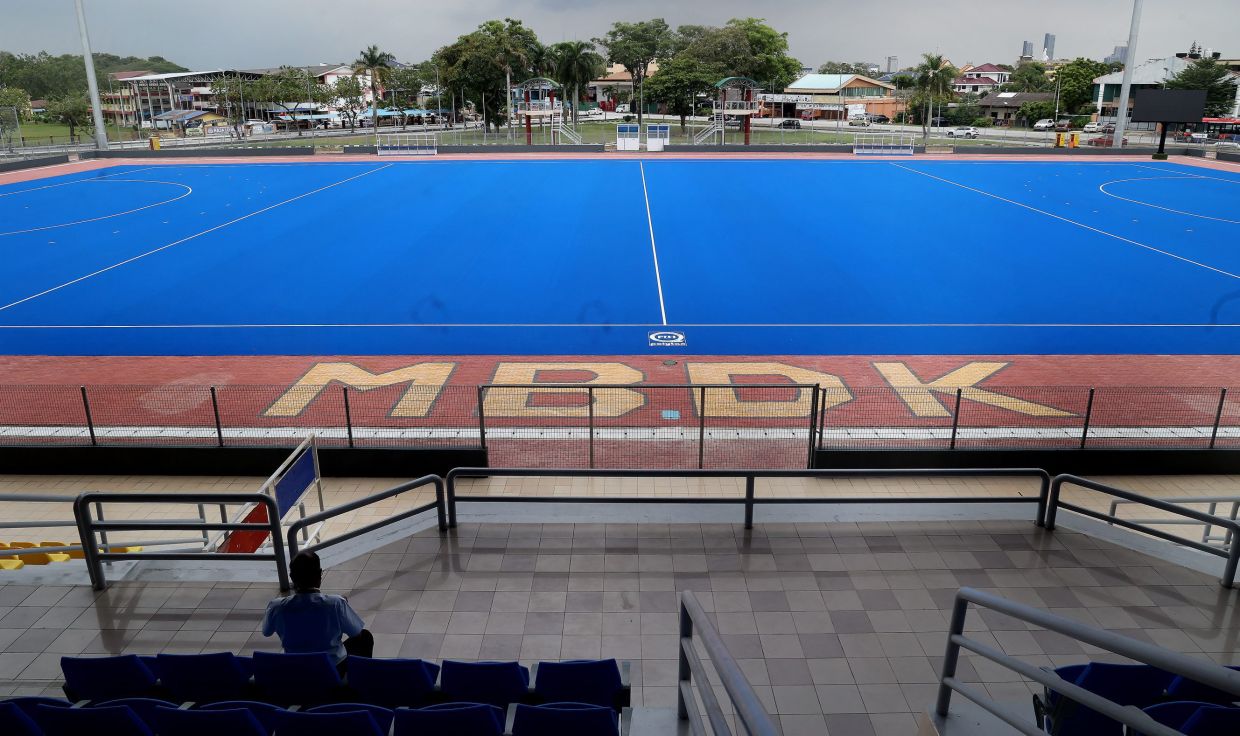
Klang Royal City Council (MBDK) has charted a fresh approach to stadium management by enlisting the Selangor Hockey Association (SHA) to oversee operations of the Pandamaran Hockey Stadium following its comprehensive upgrade. The decision reflects a broader strategic pivot toward leveraging sectoral expertise rather than relying solely on municipal administration, according to Klang mayor Datuk Abd Hamid Hussain, who emphasised that professional stewardship was essential for this major public sports asset.
Located at the intersection of Jalan Sukma and Jalan Raja Lumu in the Pandamaran area of Port Klang, the stadium represents a significant capital commitment from the local authority. The refurbishment project carried an estimated price tag of RM9 million, underscoring the council's determination to create a facility capable of serving elite-level competition. Abd Hamid articulated a vision of the stadium functioning not merely as a weekend leisure venue but as an anchor for broader economic and community development initiatives centred on sports infrastructure.
The partnership with SHA addresses a persistent challenge facing Malaysian municipal authorities: sustaining high-performance facilities without the specialised knowledge and operational networks that established sporting bodies possess. By deputising the association with management responsibility, MBDK aims to ensure consistent upkeep of sophisticated equipment and playing surfaces, alongside revenue-generating activities such as tournament hosting and facility rental. The council simultaneously announced plans to establish an in-house management team responsible for day-to-day oversight of maintenance protocols, security arrangements, ticketing systems, and promotional campaigns.
The stadium's physical specifications reflect international standards. A synthetic playing surface engineered to international tolerances, professional-grade floodlighting infrastructure, electronic scoreboard technology, and fully equipped changing facilities underscore the investment's scale. The drainage system was similarly designed to withstand tropical weather patterns while maintaining surface integrity—a critical consideration in Malaysia's climate. These capital improvements position Pandamaran as a facility capable of hosting tournaments beyond the domestic sphere.
International Hockey Federation (FIH) certification stands as perhaps the most consequential validation of the facility's standing. MBDK secured this accreditation, valid through July 2, 2029, confirming that the stadium meets global technical specifications and governance requirements for world-class competition. The credential qualifies Pandamaran to stage international tournaments broadcast to global audiences, fundamentally altering the venue's competitive horizons and commercial potential. This achievement reflects coordination among multiple stakeholders and demonstrates that Malaysian local authorities can execute infrastructure projects to world-class standards.
The timing of the facility's opening aligns strategically with Selangor's hosting of the 22nd Sukma (Malaysia Games) from August 15 to 24, 2026, followed by Para Sukma from September 5 to 10. MBDK scheduled a soft launch for today at 5 p.m., with a test competition featuring upcoming Sukma participants. The abbreviated preparation timeline intensifies pressure on the SHA and municipal team to demonstrate operational readiness, yet it simultaneously furnishes a high-stakes proving ground for systems and procedures scheduled for regular deployment.
For Malaysian sports development, the refurbished stadium represents tangible infrastructure that addresses a longstanding gap in hockey facilities. Domestically competitive sports programmes require venues meeting international standards, enabling athletes to train and compete under conditions they will encounter at overseas tournaments. Without such facilities, Malaysian teams operate at developmental disadvantages compared to peers from better-resourced nations. Pandamaran's FIH certification partially bridges this disparity, particularly for the hockey fraternity.
Economically, the facility promises to catalyse activity beyond the sporting calendar. Abd Hamid positioned the venue as an engine for what policymakers increasingly term sports tourism—attracting travelling spectators, tournament organisers, and hospitality spending to Klang and Port Klang. International tournaments draw delegations, media contingents, and fan bases whose spending circulates through local accommodation, dining, and retail sectors. The cumulative economic multiplier from hosting regional or continental hockey championships can exceed the capital investment in infrastructure, though this depends substantially on effective marketing and tournament programming.
The operational partnership with SHA also signals evolving governance thinking within Malaysian local authorities. Rather than attempting to run specialised facilities in-house, MBDK is devolving management to bodies with technical knowledge, member networks, and competitive incentives to maintain standards. This approach mirrors international best practices where municipal councils hold assets while specialist operators manage performance. Such arrangements potentially reduce public-sector payroll burdens whilst improving facility standards through accountability to sporting federations and their constituencies.
The certification's validity through mid-2029 establishes a multi-year window during which Pandamaran can consolidate its reputation as a premier venue. Successive tournaments and training camps will generate revenue, strengthen relationships with the FIH and continental bodies, and build the facility's brand within international hockey circuits. Renewal prospects depend partly on maintaining facilities in certified condition—another argument for engaging SHA's technical oversight rather than entrusting operations to generalist municipal staff.
For Port Klang specifically, the stadium contributes to broader infrastructure narratives surrounding the port authority and surrounding district. As Malaysia's principal container port, Port Klang has historically focused on maritime commerce. The stadium diversifies the district's profile, positioning it as a destination for recreation and organised sport alongside industrial activity. This diversification appeals to workforce recruitment and retention, particularly among younger professional cohorts seeking amenities beyond employment.
The soft launch and test competition commence a critical operational phase. SHA and MBDK must demonstrate that systems function reliably, that the facility attracts bookings and revenue, and that management transitions smoothly between public and sporting-body leadership. Sukma 2026 will constitute the highest-profile test, with national media scrutiny and international participant observation. Success at that scale would vindicate the partnership model and establish templates for other Malaysian municipalities contemplating similar arrangements.

