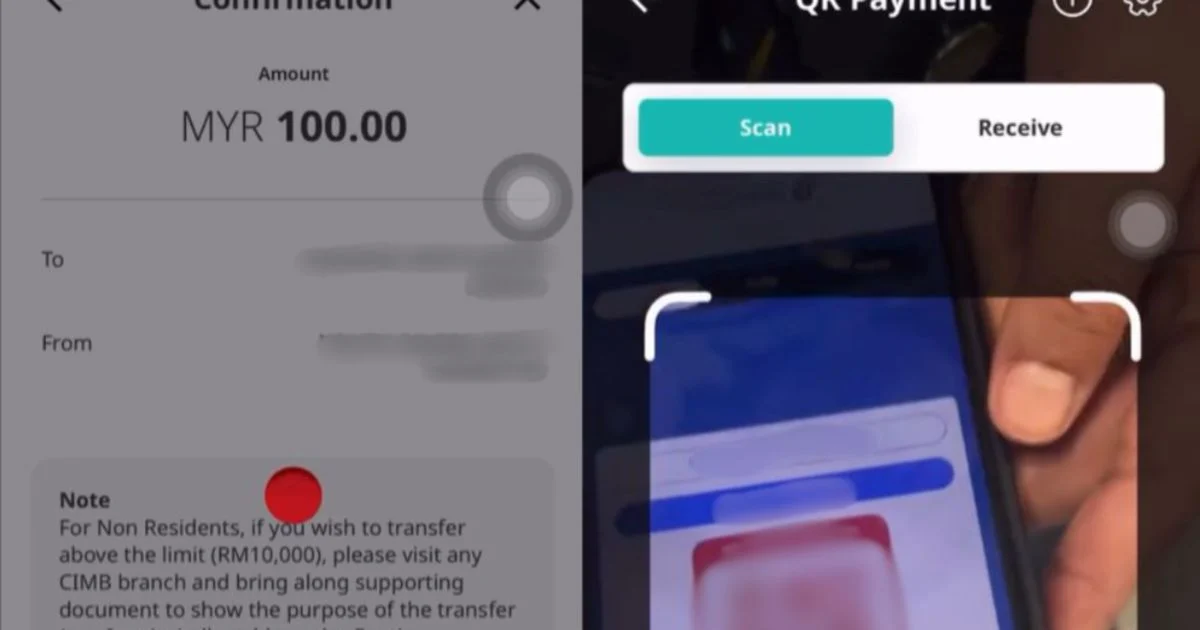
The Malaysian Border Control and Protection Agency (MCBA) has commenced a formal internal investigation following allegations that one of its officers stationed at Kuala Lumpur International Airport Terminal 2 solicited and accepted a RM100 payment via personal QR code. The incident highlights ongoing concerns about payment handling protocols at Malaysia's busiest international airport hub and the potential vulnerability of border control operations to irregular financial transactions.
The specific nature of the alleged transaction and the circumstances under which the payment was made remain unclear, though the use of a personal QR code rather than official government payment channels represents a significant departure from standard administrative procedures. Such arrangements circumvent the established audit trails and regulatory oversight that normally govern official receipts, creating opacity that authorities view with considerable concern.
The MCBA's decision to formally investigate underscores the agency's stated commitment to maintaining professional standards among its personnel. Border security officers occupy a position of significant authority and public trust, wielding powers that affect travellers and commerce crossing Malaysia's international gateways. Any deviation from ethical conduct or regulatory compliance in their roles carries implications beyond the individual transaction itself.
KLIA Terminal 2 processes tens of thousands of passengers daily, generating countless interactions between border officials and international travellers. The terminal serves as a critical checkpoint for both human movement and cargo processing, making the integrity of its operations essential to Malaysia's international reputation and security posture. When isolated incidents of alleged misconduct emerge, they can cast shadows over the entire institutional framework if not addressed transparently.
The use of personal digital payment systems—increasingly common in Malaysia's cashless economy—presents novel challenges for regulatory oversight. While QR code transactions offer genuine convenience for legitimate commercial purposes, their informal nature also creates opportunities for undocumented payments that escape proper institutional channels. Government agencies across Southeast Asia grapple with similar issues as digital payment adoption outpaces the development of corresponding compliance frameworks.
For Malaysian citizens and frequent international travellers, the investigation raises practical questions about passenger rights and recourse mechanisms. Travellers who encounter requests for informal payments lack clear documentation and face difficulties seeking reimbursement or filing formal complaints. The MCBA's investigation may therefore yield broader institutional lessons about payment transparency and accountability protocols at entry points.
The incident arrives amid broader discussions about border security modernisation in Malaysia. As the country pursues digital transformation across public institutions, balancing convenience with accountability remains challenging. Officers require efficient processes to manage high passenger volumes, yet efficiency cannot come at the cost of financial transparency or ethical conduct.
International airport operations worldwide have grappled with similar challenges. The International Air Transport Association and other bodies emphasise that robust institutional oversight of officer conduct directly correlates with passenger confidence and operational legitimacy. Malaysia's response to this particular allegation will likely influence public perception of governance standards at KLIA.
The investigation's scope and methodology have not been publicly detailed, though such internal probes typically examine whether official protocols were violated, whether the payment was solicited or voluntarily offered, and what purposes the funds were intended to serve. The MCBA may also review whether systemic weaknesses permitted such an arrangement to occur without immediate detection.
The incident coincides with Malaysia's broader efforts to strengthen institutional governance and combat corruption across the public service. Enhanced scrutiny of border agency operations reflects international best practices and demonstrates responsiveness to accountability concerns. However, the effectiveness of internal investigations depends on their independence, thoroughness, and willingness to pursue findings wherever they lead.
For the individual officer involved, the investigation represents a serious matter with potential career implications. MCBA personnel operate under professional codes of conduct that explicitly prohibit solicitation of payments outside official channels. Substantiated findings could result in disciplinary measures ranging from formal warnings to termination, depending on investigation conclusions and institutional protocols.
Stakeholders including the aviation industry, passenger rights groups, and government oversight bodies will likely monitor this case closely. How MCBA handles the investigation and communicates its findings will shape confidence in the agency's commitment to ethical conduct. The case also underscores the need for clearer guidelines governing acceptable payment practices and officer conduct at border checkpoints throughout Malaysia.

