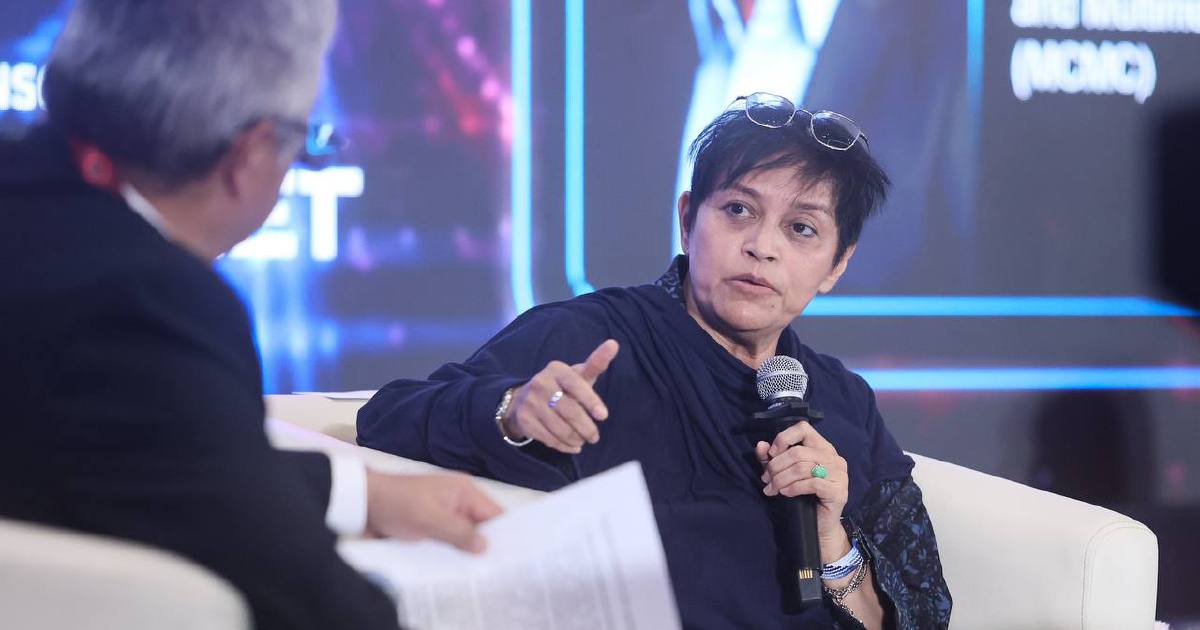
The Malaysian Communications and Multimedia Commission faces mounting pressure to establish robust mechanisms that guarantee impartial regulation of digital campaigns, according to Minister in the Prime Minister's Department (Law and Institutional Reform) Datuk Seri Azalina Othman Said. Her intervention signals growing governmental concern about the role of online platforms in shaping electoral outcomes and the potential for digital disparities to undermine democratic principles.
Azalina's comments arrive amid an increasingly complex landscape where social media, messaging applications, and digital news outlets have become central to how political messages reach voters. Unlike traditional broadcast media, which regulatory bodies have historically monitored with relative ease, the decentralised nature of digital communication presents novel enforcement challenges. The MCMC, tasked with overseeing Malaysia's telecommunications and multimedia sector, must navigate these technical obstacles while maintaining credibility with all political stakeholders.
The emphasis on a level playing field reflects international best practices observed during recent elections across Southeast Asia and beyond. Countries like Indonesia, Philippines, and Thailand have grappled with similar dilemmas, ultimately concluding that electoral integrity depends partly on preventing dominant players from monopolising digital narrative space. Malaysia's growing internet penetration—currently exceeding 85 percent—makes such concerns particularly acute, as digital content reaches more voters than conventional media in certain demographics.
Azalina's call underscores a fundamental tension in modern Malaysian politics: how to protect electoral fairness without infringing upon free expression. Political parties across the spectrum possess varying resources to deploy digital advertising, hire social media professionals, and mobilise online supporters. Wealthier organisations can purchase targeted advertisements, employ sophisticated analytics, and sustain large-scale content production. Smaller or newer parties risk marginalisation if regulators fail to prevent better-resourced competitors from drowning out alternative voices.
The MCMC's track record in managing such challenges remains mixed. Previous elections saw sporadic enforcement actions against misleading content and election-related violations, though critics argue implementation has been inconsistent and sometimes perceived as favouring certain political factions. Establishing clearer standards now—before the next major electoral campaign intensifies—could build public confidence and reduce accusations of regulatory bias. Transparency in monitoring criteria and enforcement decisions becomes essential to legitimacy.
Digital manipulation tactics have evolved considerably since Malaysia's 2018 general election, complicating regulatory efforts. Deepfakes, coordinated inauthentic behaviour networks, foreign interference through proxy accounts, and algorithmic amplification of divisive content all present threats to electoral integrity that go beyond traditional false information. Effective oversight requires the MCMC to invest in technological capacity, data analysis skills, and cross-agency coordination—resources that regulators in developing democracies often lack.
The private technology companies hosting Malaysian political content—Meta, Google, ByteDance's TikTok, and others—shoulder complementary responsibility. These platforms possess superior detection capabilities for identifying coordinated campaigns and artificial engagement manipulation. Meaningful regulation likely requires formal agreements between the MCMC and platform operators, establishing clear consequences for policy violations and transparent appeals processes. Such partnerships have shown promise in other jurisdictions but demand careful negotiation to avoid excessive corporate influence over electoral processes.
Malaysian civil society organisations and media monitoring groups have begun filling regulatory gaps by tracking disinformation independently. This grassroots accountability, while valuable, cannot replace official MCMC oversight. The commission must coordinate with these non-governmental actors, learning from their insights while maintaining clear institutional authority. Public trust in electoral systems depends on voters believing that independent, professional authorities—not just concerned citizens—are actively protecting the integrity of democratic processes.
Regional implications extend beyond Malaysia itself. As ASEAN nations increasingly weaponise digital space during competitive elections, Malaysia's approach will influence how neighbours calibrate their own regulations. Singapore's stricter framework and Indonesia's more fragmented approach offer contrasting models. A Malaysian system that balances firm enforcement of genuine violations with respect for legitimate political expression could become a regional reference point for democracies navigating digital governance challenges.
Azalina's statement also hints at evolving institutional philosophy within Malaysia's government. Rather than viewing digital platforms as lawless territories requiring heavy-handed state control, her framing emphasises fairness and competition—suggesting recognition that harsh censorship can itself delegitimise electoral processes. This subtle reorientation, if translated into actual MCMC policy, could reduce polarisation around regulatory decisions and build broader political consensus on digital election safeguards.
Implementing genuinely balanced oversight faces practical obstacles that extend beyond the MCMC's direct authority. Electoral commission guidelines, political party funding regulations, and civil service neutrality standards all interconnect with digital content fairness. Azalina's intervention implicitly acknowledges that no single agency can solve electoral integrity challenges alone. Whole-of-government coordination, with clear institutional mandates and public accountability mechanisms, becomes necessary.
The Minister's emphasis on level playing fields also reflects implicit recognition that Malaysia's competitive political environment has matured significantly. Multiple viable parties now contest for power, forcing coalition arrangements and increasing sensitivity to perceived unfair advantages. In such conditions, regulatory bodies perceived as protecting one side risk triggering backlash and delegitimising election results themselves. Credible, consistent MCMC oversight thus becomes not merely a technocratic matter but a foundational element of democratic stability.

