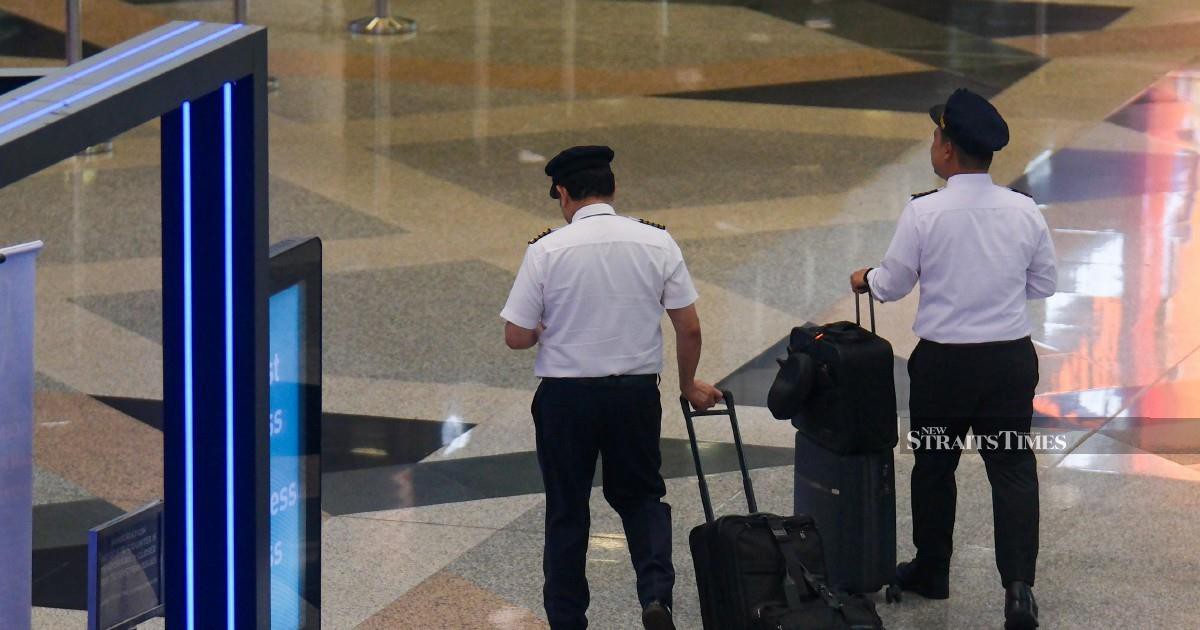
Malaysia Corruption Watch has redirected the focus of investigations surrounding a pilot's arrest on drug charges in Indonesia, advocating that authorities prioritize uncovering systemic security weaknesses at Kuala Lumpur International Airport rather than pursuing a blame-centred inquiry into which government agency bears responsibility for the lapse.
The call represents a significant shift in approach from traditional investigative frameworks that typically emphasise institutional accountability and culpability. MCW's intervention suggests that the episode, while concerning in its immediate implications, presents an opportunity for constructive institutional reform. This perspective aligns with Malaysia's broader efforts to strengthen airport security protocols and maintain the integrity of KLIA, which processes hundreds of thousands of passengers monthly and serves as a crucial gateway to Southeast Asia's premier economic hub.
The case has raised uncomfortable questions about how controlled substances made their way through KLIA's screening and boarding processes without detection. Rather than conducting what critics might characterise as a superficial investigation targeting individual agencies, MCW argues that a thorough security audit could identify structural vulnerabilities, procedural gaps, or technological deficiencies that enabled the breach. This approach mirrors international best practices in aviation security, where independent reviews often yield more comprehensive improvements than intra-agency accountability measures.
KLIA's security architecture comprises multiple layers of responsibility. Immigration checkpoints, customs procedures, airport police, airline security teams, and baggage handling operations all form part of the system designed to prevent illicit materials from entering aircraft. When breaches occur, responsibility rarely falls to a single entity. MCW's emphasis on systemic analysis recognises this complexity and suggests that identifying the weakest links in this chain will prove more valuable for public safety than determining which institution should face sanctions.
For Malaysian travellers and the aviation industry, enhanced airport security carries tangible benefits beyond mere regulatory compliance. Airports functioning as nodes of international travel face mounting pressure from global security threats. A comprehensive security review—examining everything from staff training protocols and equipment calibration to surveillance coverage and procedural enforcement—strengthens Malaysia's capacity to safeguard passengers and maintain air transport reliability. The reputational stakes extend beyond KLIA; security incidents at major hubs can influence international carrier operations and passenger confidence across Southeast Asian aviation networks.
MCW's position also reflects sophisticated understanding of institutional dynamics. Pursuing narrow accountability, while emotionally satisfying, often produces defensive responses from agencies motivated to protect reputations and budgets. Conversely, framing investigations as opportunities for constructive improvement encourages cooperation and honest assessment of shortcomings. This methodology has proven effective in other sectors where Malaysia has tackled corruption and operational deficiencies. By depersonalising the inquiry, MCW creates space for officials to acknowledge problems without fearing career consequences, potentially yielding richer data about systemic failures.
The arrest in Indonesia underscores how aviation security lapses can have cross-border consequences. A pilot departing Malaysia with controlled substances enters Indonesian jurisdiction, creating diplomatic complexities and questions about coordinated security standards across Southeast Asian airports. MCW's call implicitly recognises that local security improvements contribute to regional stability. As major airlines operate throughout Southeast Asia and many passengers connect through multiple regional hubs, strengthening individual airport systems benefits the entire ecosystem.
Technological advancement offers particular promise in addressing KLIA vulnerabilities. Advanced scanning equipment, artificial intelligence-powered baggage analysis, and enhanced passenger profiling systems exist globally but require investment and institutional commitment to deploy effectively. A security-focused investigation could assess whether existing technology operates optimally or whether procurement decisions have compromised capability. Similarly, training standards for security personnel warrant examination; high staff turnover and inconsistent protocols can undermine even sophisticated equipment.
MCW's intervention also serves as a reminder that Malaysia's corruption watchdog institutions have evolved beyond reactive investigations into proactive policy advocacy. By channelling the pilot incident toward constructive systemic improvement rather than institutional blame, MCW positions itself as genuinely interested in enhancing governance rather than merely documenting malfeasance. This credibility proves valuable when addressing larger governance questions affecting public confidence in institutions.
The timing of MCW's call aligns with heightened global attention to airport security standards, particularly following international incidents and evolving threat assessments. Malaysia, hosting one of Southeast Asia's busiest aviation hubs, operates under scrutiny from international security agencies and carrier partnerships. Demonstrating commitment to rigorous security protocols through comprehensive, forward-looking investigations signals seriousness to international partners and reassures passengers of institutional competence.
Moving forward, effective response to MCW's call requires coordinating multiple stakeholders. Customs authorities, immigration officials, airport operators, and security contractors all possess relevant expertise and data. A coordinated audit, perhaps conducted by independent external specialists alongside government personnel, could identify improvements with broader applicability across Malaysia's airport network. Smaller regional airports often mirror protocols established at KLIA, meaning enhancements at the flagship facility cascade throughout the system.
Ultimately, MCW's advocacy reflects mature institutional thinking about security management. Rather than perpetuating cycles of blame and defensive posturing, the focus on systemic vulnerabilities acknowledges that preventing future incidents requires honest assessment of institutional limitations and technological capabilities. For Malaysian aviation, passengers, and the broader regional security environment, this constructive approach promises more substantial long-term gains than traditional accountability-focused investigations.

