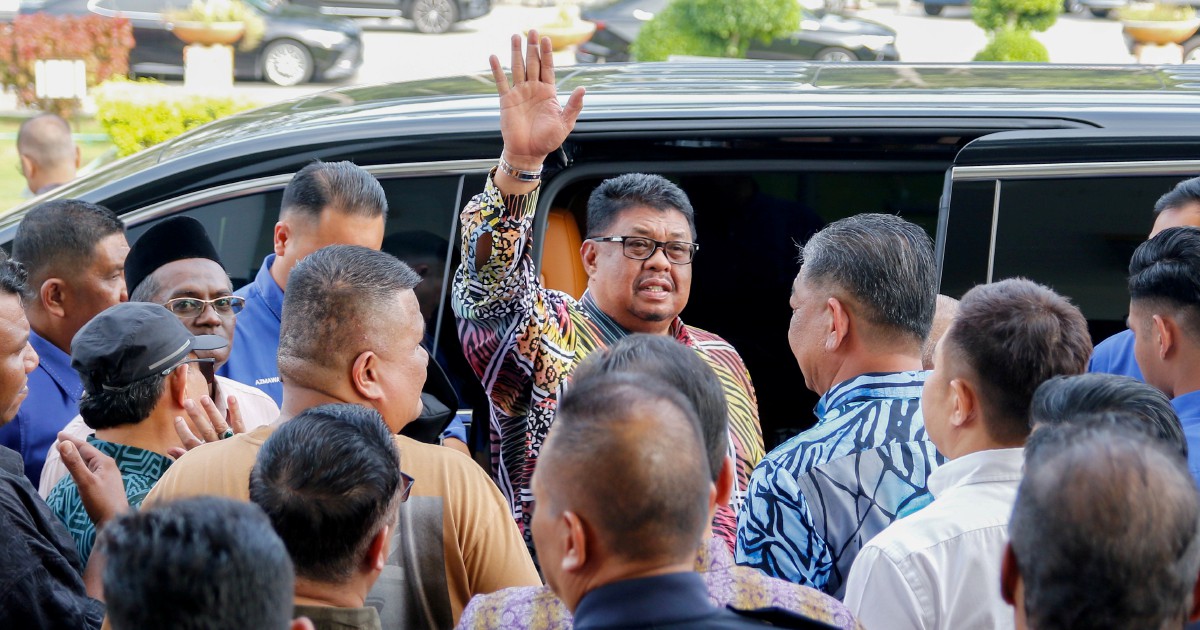
Melaka Barisan Nasional (BN) chairman Datuk Seri Ab Rauf Yusoh has signalled that the coalition occupies an enviable negotiating position as the state moves toward an election, with multiple political groupings approaching BN about potential collaboration arrangements. Speaking in Ayer Keroh, Ab Rauf employed metaphorical language to characterise the coalition's current standing in the state's political landscape, suggesting that Melaka's BN has become the subject of courtship from competing political blocs.
The chairman's comments reveal an intriguing backdrop to Melaka's electoral preparations, where the balance of power and potential coalition configurations remain fluid. His remarks indicate that BN's conventional dominance in the state, while perhaps challenged in recent elections, retains considerable strategic value in the eyes of other political operators. The timing of these overtures assumes particular significance given the scheduled state election, which will determine the composition of the Melaka state assembly and shape the direction of state governance for the coming years.
Melaka holds outsized importance within Malaysia's political ecosystem despite its relatively modest population and geographic footprint. The state has served as a testing ground for various political configurations and represents a microcosm of broader peninsular electoral dynamics. Recent election cycles have demonstrated that voter preferences in Melaka do not necessarily align with national trends, making the state a genuine battleground where multiple coalitions believe they can secure meaningful gains. This unpredictability explains why various political actors now view cooperation with BN as strategically worthwhile.
The competitive interest in BN cooperation reflects the fragmented nature of Malaysian politics at present. Rather than a straightforward contest between two dominant coalitions, the political landscape has become increasingly multipolar. The presence of multiple potential suitors suggests that neither opposing coalition possesses sufficient confidence in its ability to govern Melaka alone. This fragmentation creates opportunities for BN to leverage its position, though it simultaneously indicates that the coalition's former commanding electoral advantage has eroded considerably since the 2018 general election.
Ab Rauf's characterisation carries strategic implications for how BN approaches the election campaign. By openly acknowledging that other coalitions are seeking BN's participation, the chairman sends a signal that the party retains negotiating leverage and need not accept unfavourable terms from rivals. The public nature of this announcement also serves to bolster BN's internal morale by suggesting that the coalition remains relevant and desirable to other political forces. Such messaging helps maintain party discipline and activist enthusiasm during the pre-election period.
The competitive landscape in Melaka reflects broader shifts in Malaysian political alignment. Following the 2018 election, which witnessed substantial voter realignment away from BN, the coalition has been engaged in steady reconstruction. Melaka provided a significant recovery opportunity when BN achieved a decisive victory in the 2021 state election, suggesting that the coalition's organisational capabilities and local appeal could translate into electoral success under the right circumstances. This prior success now enhances BN's attractiveness to other coalition partners.
The existence of multiple suitors raises questions about the nature and sustainability of any arrangements BN might negotiate. Coalition partnerships in Malaysian electoral politics have frequently proven fragile, with parties pulling out when circumstances change or when more advantageous arrangements become available elsewhere. Any agreement BN reaches with other coalitions must therefore account for the possibility that partners may shift allegiances if competing offers emerge. The volatility of such arrangements underscores the importance of BN maintaining independent grassroots strength in Melaka.
From a voter perspective, the period leading to the state election may witness considerable political maneuvering and shifting coalition arrangements that could confuse the electorate. Malaysian voters in Melaka will need to monitor developments carefully to understand which parties are ultimately aligned for the election campaign. The fluid nature of coalition discussions at this stage suggests that final electoral configurations may differ substantially from current arrangements, potentially affecting voter decision-making strategies.
The implications of Melaka's electoral significance extend beyond the state itself. Should BN secure a decisive victory in Melaka, it would provide valuable momentum heading into subsequent federal-level political contests. Conversely, if BN faces defeat, it might signal that voter confidence in the coalition remains fragile. Other political operators are undoubtedly calculating these downstream consequences as they determine which coalition arrangements offer the best prospects for future advancement.
Ab Rauf's comments also hint at BN's confidence in its capacity to govern effectively at the state level. The chairman's willingness to entertain offers from other coalitions suggests that BN does not fear facing other parties in competitive elections. This confidence may reflect strong local party structures, effective state administration during the previous BN tenure, or assessment that demographic and constituency-level factors favour BN's prospects.
Looking forward, the extent to which BN successfully converts its current negotiating advantage into electoral victory will depend on factors beyond coalition arrangements. Campaign messaging, candidate selection, local engagement, and the broader political mood in Malaysia all influence electoral outcomes. Ab Rauf's statement nonetheless positions BN as an active participant in shaping Melaka's political future rather than a passive observer of developments driven by more dynamic rivals.
The approaching Melaka state election will provide a clearer picture of whether the coalition interest Ab Rauf describes translates into concrete political arrangements that strengthen BN's electoral position. The period ahead will test whether Melaka's voters respond to the coalition configurations that emerge from these negotiations and whether BN can mobilise its traditional support while attracting persuadable voters through collaborative arrangements with other political actors.

