Melaka is preparing an ambitious transportation initiative to accommodate the anticipated influx of visitors during its 69th National Day celebrations and the Melaka Civil-Military Cooperation Carnival 2026, scheduled for August 29 to 31 at Dataran 1Malaysia Klebang. The state government has commissioned a fleet comprising 30 buses and 90 shuttle vans to provide complimentary transportation, with services radiating from 13 strategically positioned pick-up locations throughout the Klebang area and surrounding districts.
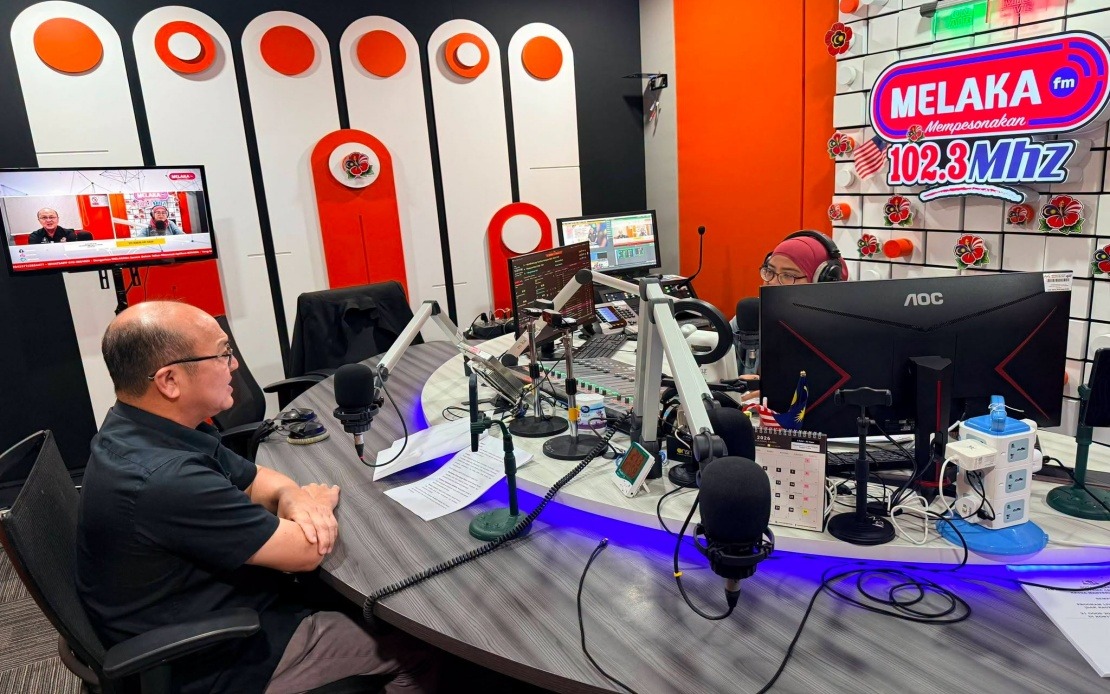
Datak Ngwe Hee Sem, the State Health, Human Resources and Unity Committee chairman, unveiled the transportation scheme during a media briefing, emphasizing that the initiative extends beyond mere convenience for attendees. The free shuttle service represents a coordinated approach to managing traffic circulation and ensuring the seamless execution of the three-day programme, which will feature diverse activities celebrating Malaysia's nationhood alongside military-civil engagement initiatives.
The pick-up points have been carefully selected to maximize accessibility across multiple neighborhoods and commercial zones. Convenient boarding locations will be available at The Sail Gallery, Residensi PR1MA, Submarine Museum, and the main venue at Dataran 1Malaysia Klebang itself. Additional departure points serve the Royal Malaysian Navy Ship Exhibition venue, SMK Klebang Besar, and Masjid Al-Amin, ensuring that residents and visitors from both central and peripheral areas can access the celebrations with minimal difficulty.
Beyond these core locations, the network extends into commercial districts throughout the region. Visitors originating from Hotel Courtyard, the Kota Bendahari commercial area, the vicinity near Eye On Melaka, and three major business complexes—Taman Limbongan Jaya, Taman Syahbandar, and Taman Kota Laksamana—will have direct shuttle access. This comprehensive coverage demonstrates the state's commitment to reducing private vehicle usage and associated parking pressures during what is expected to be a heavily attended event.
The operational schedule has been carefully calibrated to match anticipated visitor patterns across the three-day celebration. On August 29, shuttle services will commence at 6 pm and continue until midnight, providing evening transportation for those arriving to explore preliminary events and carnival attractions. The schedule intensifies for National Day eve on August 30, when services extend from 6 pm through 1 am to accommodate late-night celebrations and festivities. The final day of operations on August 31 reflects the ceremonial significance of actual National Day, with early morning service beginning at 4 am through 7 am for spectators arriving to secure viewing positions, followed by an afternoon window from noon to 3 pm.
Organizers are preparing for substantial attendance figures. The state anticipates between 50,000 and 80,000 participants will converge on Dataran 1Malaysia Klebang specifically for the August 31 National Day observance, representing a significant gathering by state-level standards. This scale of attendance underscores the importance of robust transportation infrastructure to prevent congestion and maintain public order throughout the venue.
The National Day programme itself will showcase considerable ceremonial dimensions and community participation. A total of 125 contingents and 7,790 individual participants are expected to take part in structured celebrations and demonstrations. The parade component, a traditional highlight of Malaysian National Day festivities, will feature 31 vehicles including 11 specially decorated motorcars, adding pageantry and visual spectacle to the proceedings.
The CIMIC Carnival, operating in parallel with the National Day celebrations, represents an important civil-military engagement initiative. Such carnivals typically feature interactive exhibits, military demonstrations, and community-oriented activities designed to strengthen relationships between armed forces personnel and civilian populations. The combined programming creates a multifaceted event combining patriotic commemoration with practical engagement opportunities.
Melaka's decision to invest in comprehensive shuttle infrastructure reflects broader regional trends toward managing large public events through integrated transportation planning. Southeast Asian states have increasingly recognized that effective transit solutions enhance event success while reducing environmental impact and minimizing traffic disruptions to non-participating residents. The Melaka initiative demonstrates this principle in practice, providing a model that other Malaysian states might consider for major celebrations and public gatherings.
For visitors and attendees, the free shuttle system offers practical advantages extending beyond cost savings. Complimentary transportation eliminates parking search frustrations at a crowded venue, reduces individual transportation expenses, and allows attendees to focus on enjoying the celebrations rather than managing vehicle logistics. This approach particularly benefits families, elderly participants, and those unfamiliar with Melaka's road network.
The initiative also reflects state government priorities regarding inclusive access to public events. By removing financial barriers to participation through free transportation, Melaka demonstrates commitment to ensuring that National Day celebrations remain accessible across socioeconomic strata. This inclusivity strengthens community cohesion and ensures broader demographic participation in Malaysia's national commemoration.
The scale of preparation—coordinating 120 vehicles across multiple routes and adjusting schedules across three distinct operational periods—underscores significant logistical complexity. Such coordination requires cooperation between multiple government agencies, private transportation contractors, and municipal authorities responsible for traffic management and public safety. Successful execution will depend on comprehensive planning, real-time coordination, and responsive management during actual operations.

