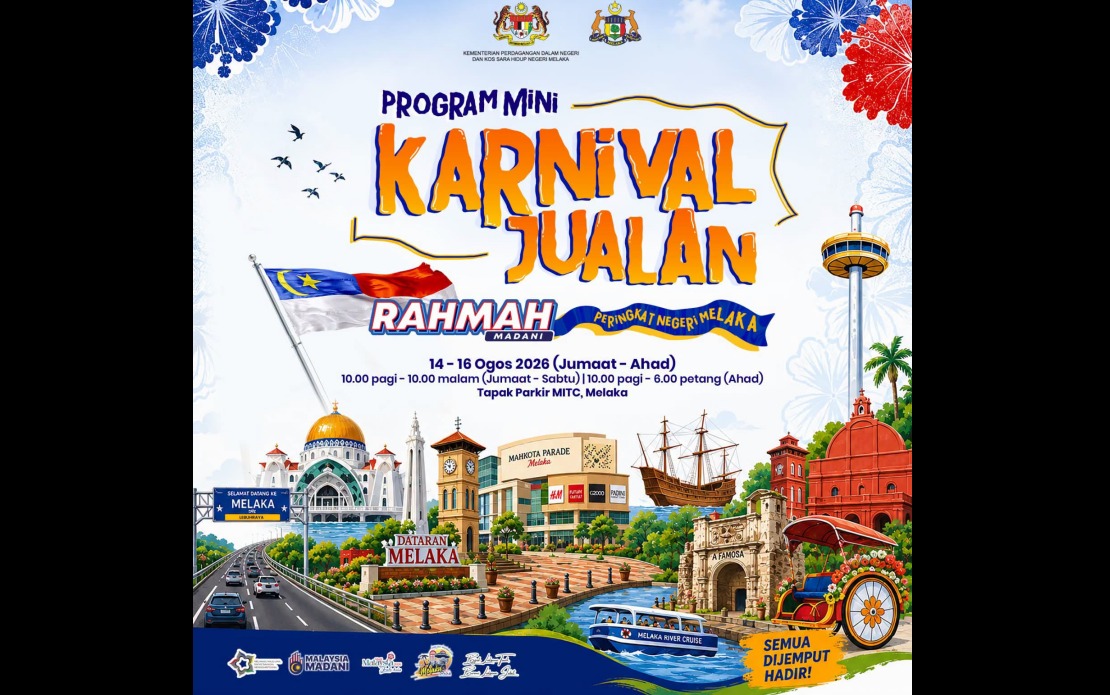
The Ministry of Domestic Trade and Cost of Living (KPDN) is preparing to launch a significant community engagement initiative in Melaka this weekend, with organisers anticipating a turnout exceeding 10,000 visitors at the Melaka International Trade Centre (MITC). The three-day event, commencing tomorrow, represents a strategic effort by the federal government to make its consumer protection and price-stabilisation programmes more accessible to households struggling with rising living costs—a persistent concern across Malaysia and the broader Southeast Asian region.
Deputy Minister Senator Datuk Dr. Fuziah Salleh framed the carnival as part of a broader ministerial strategy to humanise government services and make them more relatable to everyday Malaysians. Rather than confining critical information about KPDN initiatives to formal administrative channels, the ministry is adopting an interactive, carnival-style format designed to demystify its operations and demonstrate tangible benefits. This approach reflects growing recognition within government circles that direct engagement and experiential learning often prove more effective than traditional public education campaigns, particularly when communicating complex consumer protection policies to diverse demographic groups.
Central to the carnival's appeal is the MADANI Rahmah Sales Programme (PJRM), a government initiative specifically structured to provide essential household goods at substantially reduced prices. For families navigating inflation pressures and wage stagnation, such direct access to subsidised consumer goods offers immediate relief. The programme's presence at a community carnival allows residents to purchase necessities while simultaneously acquiring firsthand knowledge about how to access similar government assistance programmes beyond the event itself. This dual benefit—combining practical shopping opportunities with information dissemination—addresses the household budget anxiety that has become increasingly acute in Malaysia's urban and semi-urban centres.
Beyond the PJRM, the carnival itinerary encompasses multiple engagement layers designed to appeal to different visitor cohorts. Exhibition booths will showcase KPDN's regulatory responsibilities, including its monitoring of market prices, enforcement of consumer protection standards, and oversight mechanisms designed to prevent unfair trading practices. Advisory services stationed throughout the venue will allow shoppers and entrepreneurs to pose direct questions about their consumer rights, pricing transparency, and business compliance obligations. Business matching sessions represent a particularly valuable component, potentially facilitating connections between small and medium enterprises and government support structures—an especially significant opportunity for Melaka's retail and hospitality sectors.
The entertainment component signals the ministry's understanding that community outreach requires more than utilitarian information transfer. An electronic sports tournament organised in partnership with Todak will attract younger demographics, while Menu Rahmah offerings by participating food truck vendors provide affordable dining options. A children's colouring competition, live performances, and exhibitions of antique vehicles and classic motorcycles create multigenerational appeal. These elements transform what might otherwise be a bureaucratic information session into a genuine community celebration, increasing dwell time at the venue and enhancing receptiveness to the ministry's core messaging about cost-of-living support.
Fuziah's emphasis on consumer protection, price monitoring, and cost-of-living advocacy reflects heightened political attention to these issues within Malaysia's federal government. The carnival serves as a visible demonstration of ministerial responsiveness to public concerns—a particularly important optic given voter anxiety about purchasing power. For Melaka specifically, the event represents central government investment in addressing regional economic pressures and reaffirms the ministry's commitment to statewide consumer welfare initiatives. The choice of Melaka for this carnival, coupled with the substantial anticipated attendance, underscores the state's significance within the broader national market.
The timing and scale of this initiative warrant consideration within Southeast Asia's wider economic context. Inflationary pressures, supply chain disruptions, and currency fluctuations have affected consumer purchasing power across the region. Malaysia's approach—combining direct price subsidies through the PJRM with public education about consumer rights and regulatory protections—represents one policy response model worth monitoring by regional observers. The carnival format itself, emphasising accessibility and community engagement, offers a template that other ASEAN nations grappling with similar cost-of-living challenges might adapt.
The carnival's operational schedule—ten-hour days on Friday and Saturday, with reduced Sunday hours—accommodates diverse visitor preferences and working patterns. This flexibility recognises that different household members and employment cohorts will possess varying availability, maximising potential attendance across demographic groups. The extended evening hours on weekdays particularly facilitate participation by working families who might otherwise struggle to attend daytime-only community events.
Ministry officials have clearly invested considerable planning in the carnival's structure and scope, suggesting this event is neither a token initiative nor a one-off exercise. Rather, it appears positioned as a prototype for expanded community outreach across other Malaysian states, potentially replicable by KPDN branches nationwide. Success metrics—whether measured through visitor numbers, programme registrations, or consumer feedback—will likely inform subsequent carnival iterations and resource allocation decisions within the ministry.
For Malaysian households preoccupied by month-to-month budget pressures, the carnival presents a practical opportunity to access discounted essentials while simultaneously acquiring knowledge about government support mechanisms they might otherwise overlook. The event's comprehensive approach—integrating shopping, entertainment, education, and civic engagement—reflects a maturing understanding within government that cost-of-living assistance requires multifaceted delivery mechanisms. As economic pressures persist across the region, such community-centred initiatives may prove increasingly central to government efforts at managing both actual cost-of-living challenges and the political dimensions of household economic anxiety.

