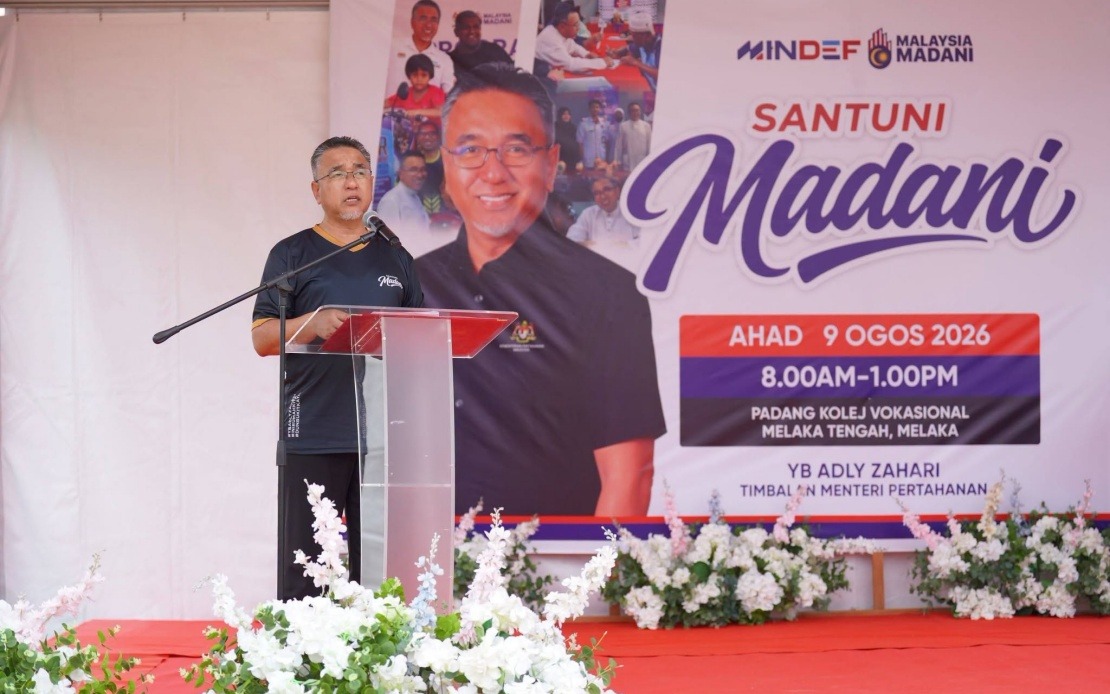
Melaka's opposition coalition is preparing for fresh electoral competition by keeping its options open for potential partnerships with other parties, according to the state Pakatan Harapan chapter. Chairman Adly Zahari revealed that his coalition remains receptive to dialogue with any political force willing to negotiate, though no formal framework or seat allocation has been determined at this stage. The willingness to explore cooperation reflects a pragmatic approach to improving PH's standing in the state, where it currently holds a modest foothold in the 28-seat assembly.
The Melaka PH leadership has conducted preliminary assessment sessions to evaluate the coalition's electoral positioning, but final decisions on the scope and structure of any external arrangements remain pending. Adly emphasised that these are still early-stage discussions focused on understanding what configurations might yield the strongest results for the opposition. The coalition continues to concentrate its immediate preparations on consolidating its internal structures and messaging, ensuring that member parties maintain alignment on core principles before expanding outward.
When asked about potential cooperation with the Barisan Nasional grouping that dominates Melaka state politics, Adly indicated the door remains unlocked. While no substantive negotiations have commenced between PH and BN representatives, the PH chairman stressed that any partnership framework must reflect shared commitment to the Malaysia MADANI developmental agenda and its underlying values. This conditional openness suggests PH is not pursuing partnership for its own sake but rather evaluating which alliances would genuinely advance the coalition's policy objectives.
Seat expansion represents a critical priority for PH in Melaka, where the coalition significantly underperforms compared with its strength in federal politics. Currently holding five assembly seats out of 28 represents a narrow base from which to project state-level influence. The coalition's strategists have identified three parliamentary constituencies—Alor Gajah, Kota Melaka, and Hang Tuah Jaya—where PH demonstrated electoral competitiveness in recent contests. These constituencies now form the foundation for assessing which state assembly divisions might be captured through targeted campaigning.
Beyond these established strongholds, PH believes it possesses untapped potential in three additional parliamentary zones: Tangga Batu, Masjid Tanah, and Jasin. These areas represent frontier territory for the opposition, constituencies where favourable demographic trends, economic grievances, or local governance issues might provide openings. The coalition's optimism about doubling or substantially increasing its seat count reflects confidence in these preliminary assessments, though actual campaign results will ultimately determine whether such projections materialise.
Within PH, the Parti Keadilan Rakyat component has taken a notably circumspect stance on the broader negotiation question. Adam Adli Abd Halim, acting chairman of PKR's state leadership council, noted that Melaka presents distinctive political circumstances that differ from other states where opposition and government coalitions have merged. This observation underscores a regional reality: electoral mathematics and party relationships vary significantly across Malaysia, and strategies that work in one state may prove counterproductive elsewhere.
PKR's leadership revealed that while no formal negotiations with Barisan Nasional have been officially launched, informal communications and exploratory discussions are occurring at multiple levels. This two-track approach—maintaining public distance while engaging in backstage dialogue—reflects a calculation that premature public disclosure of talks might damage negotiating positions or provoke internal party tensions. The party is managing both official protocols and informal channels, a common approach in Malaysian politics when parties wish to preserve flexibility.
The Melaka PKR contingent has signalled to its elected representatives that maintaining focus on constituency service and public-facing governance work should remain paramount during this transitional period. By emphasising duty to constituents over political positioning, the party attempts to insulate itself from accusations of neglecting governance for electoral manoeuvring. This messaging also helps prevent rank-and-file members from becoming distracted or demoralised by ongoing negotiations that might ultimately disappoint expectations.
For Malaysian observers tracking opposition politics, Melaka's situation illuminates the complex arithmetic underlying coalition building in Malaysia's federal structure. The state has historically proven resistant to PH's messaging compared with urban constituencies and certain peninsular regions. Demographic composition, economic structure, and entrenched BN machinery have combined to limit PH's appeal. Any seat gains would therefore represent genuine electoral consolidation rather than merely executing predetermined advantages.
The upcoming Melaka contest will test whether opposition coalitions can broaden their appeal in states where they traditionally underperform, or whether Malaysia's electoral geography remains stubbornly resistant to major realignment. PH's strategic flexibility—negotiating while building alternative scenarios—suggests the coalition recognises both the opportunity and the difficulty of breaking through in this particular arena. The outcome will carry implications for how opposition forces approach other state elections in coming years.

