Melaka's state-owned river cruise operator is pressing ahead with an ambitious campaign to attract one million passengers to its signature Melaka River Cruise (MRC) attraction before year-end, betting heavily on promotional blitzes and service enhancements to close a significant passenger shortfall. With 350,000 people having already boarded the boats through June, the Perbadanan Pembangunan Sungai dan Pantai Melaka (PPSPM) must now deliver more than 600,000 additional riders across the final six months of the calendar year to meet its target—a rate of increase that will test both the operator's capacity and its marketing prowess in an increasingly competitive Southeast Asian tourism landscape.
The confidence expressed by PPSPM chief executive officer Shaharul Azuar Idris reflects a broader confidence in Melaka's appeal as a heritage tourism destination, even as the state faces competition from modernising attractions across the region. The figure of 350,000 passengers by mid-year suggests the cruise has gained traction, particularly among domestic and regional visitors seeking authentic waterside experiences. However, the gap between current volume and the year-end goal remains formidable, requiring PPSPM to sharpen its commercial approach and expand reach beyond its current marketing footprint.
To bridge this passenger gap, PPSPM is deploying a multi-pronged strategy centred on competitive pricing and destination marketing. The operator has crafted a suite of specially discounted packages designed to appeal across different demographic segments and travel budgets, signalling a willingness to prioritise volume growth over margin maximisation in the near term. Simultaneously, promotional efforts are being ramped up both domestically and internationally, with PPSPM positioning the MRC as an essential experience for visitors to Melaka. This dual emphasis on affordability and aspirational branding reflects modern tourism management, where foot traffic and repeat visitation often matter more than individual transaction value.
The cruise operation's current fleet of 60 vessels—30 deployed on the Melaka River and an additional 30 serving the Eco Cruise at Tasik Chinchin—represents substantial infrastructure already in place. However, PPSPM recognises that passenger growth and service quality cannot be decoupled. The operator is actively pursuing fleet modernisation, with new boats incorporating contemporary technology under review. More immediately, existing premium vessels including the Everlasting Love Boat and Tun Khalil Cruise have undergone upgrades, now bundled with dining experiences that add value beyond the basic cruise ticket.
The emphasis on safety improvements and passenger comfort signals recognition that tourism markets have become discerning. Travellers comparing experiences across Southeast Asia increasingly expect seamless, well-maintained services; any perceived deficiency in vessel condition or operator professionalism can rapidly damage reputation in the social media age. By investing in boat upgrades and service enhancements, PPSPM is attempting to position the MRC above purely commodity-level attractions, justifying premium pricing for select experiences even as base-level cruises are discounted.
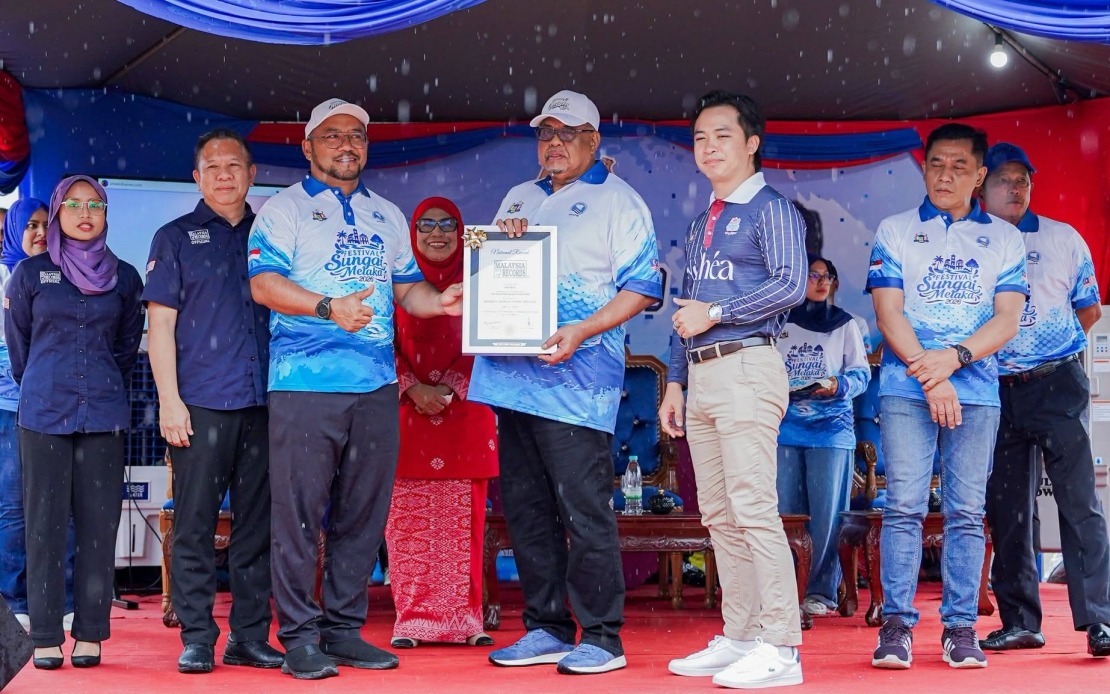
Beyond commercial operations, PPSPM's role extends into the political and social fabric of Melaka governance. The recent Melaka River Festival 2026 presentation ceremony, officiated by Chief Minister Datuk Seri Ab Rauf Yusoh, underscores how the cruise operation intersects with state tourism branding and electoral politics. Tourism infrastructure investments often serve dual purposes: generating revenue while burnishing a government's development credentials. The Malaysia Book of Records recognition ceremony amplifies this narrative, framing the MRC as a record-worthy attraction worthy of official commemoration.
A particularly revealing commitment emerged in PPSPM's pledge to provide over 5,000 free cruise rides in conjunction with the August 31 National Day celebrations, funded through the state's Melaka Sayang Rakyat (MeSRa) initiative. This programme represents a deliberate blending of patriotic observance with tourism promotion and public welfare. By gifting free experiences to residents and visiting families, the state government simultaneously boosts its populist credentials, generates ridership data and word-of-mouth marketing, and deposits goodwill within the electorate. The operational commitment—ensuring adequate staffing and boats to minimise queuing—indicates serious resource allocation to this event, suggesting the state views it as strategically important.
For Malaysian readers and the broader region, the Melaka River Cruise expansion carries implications beyond mere tourism metrics. Melaka has long served as a symbolic anchor for Malaysia's maritime heritage and cultural significance, and sustained tourism investment in the state reinforces its position within the national tourism economy. Competition for visitor spending among Malaysian states and regional destinations remains intense; Melaka's ability to scale iconic attractions like the MRC directly affects its competitiveness against rivals ranging from Penang's island tourism to Sabah and Sarawak's nature-based offerings.
The operational challenges embedded in the one million passenger target also hint at broader issues affecting regional tourism. Sustaining seasonal tourism flows, managing visitor concentration during peak periods, and balancing commercial viability with environmental stewardship of river ecosystems require sophisticated management. PPSPM's commitment to achieving targets while maintaining service quality will inform how Melaka positions itself as a preferred long-term destination rather than a transient visitor experience. Success could validate the model of heritage tourism coupled with modern amenities; failure might necessitate strategic recalibration.
Looking forward, PPSPM's ambitions rest on executing its multi-channel promotional strategy effectively and converting marketing exposure into actual bookings. The organisation faces the perennial challenge facing state-owned tourism enterprises: balancing political expectations of ambitious targets with commercial realities of market demand. With half the year remaining and 60 per cent of passenger targets still outstanding, the coming months will reveal whether PPSPM's packages, service improvements, and promotional intensity can close the gap or whether the one million figure represents an aspirational goal that yields to more modest but still respectable outcomes.

