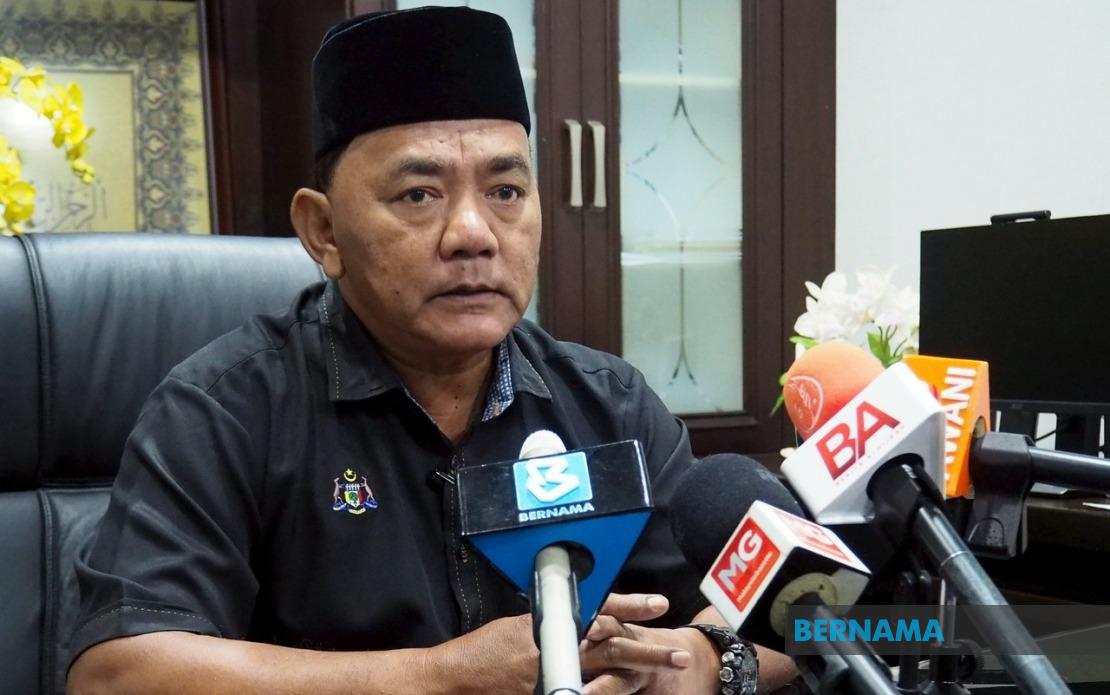
Melaka's state government has set its sights on creating a Main Syariah Court within the next year, marking a significant expansion of the state's Islamic judicial infrastructure. The initiative represents one of several structural reforms being pursued through the drafting of new legislation, specifically the Melaka Syariah Courts Bill and the Syariah Court Civil Procedure (Court Fees) Rules. According to Datuk Rahmad Mariman, the state's Education, Higher Education, and Religious Affairs Committee Chairman, the new court would function as an additional hierarchical tier within Melaka's existing Syariah judicial framework, pending compliance with the necessary legal procedures and approval by the State Assembly.
The establishment of the Main Syariah Court represents more than a mere administrative expansion. Officials have framed it as part of a broader modernisation effort designed to enhance the capacity and responsiveness of Islamic courts across Melaka. Beyond creating this new institutional layer, the reform package includes procedural improvements aimed at streamlining how Syarie judges are appointed, a move that reflects concerns about ensuring qualified legal personnel within the Syariah judicial system. These changes, should they proceed as planned, would reshape how Melaka's Islamic courts operate and serve their constituencies.
Timing for the implementation remains subject to the formal legislative process. Rahmad emphasised that the Main Syariah Court establishment is targeted for the coming year, though the initiative must clear the hurdle of parliamentary procedure, with necessary amendments to the governing enactment requiring tabling and passage at a State Assembly sitting. This procedural requirement means that despite the government's commitment to the timeline, unforeseen delays in the legislative calendar could affect the rollout schedule. Nevertheless, officials appear confident in the roadmap, suggesting substantial groundwork has already been completed to prepare for the transition.
The broader context for these reforms emerges from strong performance metrics in Melaka's existing Syariah judicial system. Between January 2024 and August 2025, the Melaka Syariah Court successfully resolved 11,037 cases out of a total caseload of 13,424, representing a case resolution rate of 82 per cent. This figure encompasses both civil and criminal matters handled through the Islamic courts, reflecting a system managing substantial judicial volume. The resolution rate suggests the courts are functioning efficiently, though the existence of nearly 2,400 pending cases indicates ongoing demand for capacity expansion—a key rationale for establishing the new Main Syariah Court.
Official statements position the new court as addressing a concrete need for enhanced dispute resolution channels. According to state authorities, the additional tier would provide the public with improved access to justice for family disputes, claims of rights, and various legal issues falling under Syariah jurisdiction. For Malaysian citizens in Melaka, particularly those with Islamic law matters requiring adjudication, the new court would theoretically reduce processing times and provide clearer pathways through the judicial system. The emphasis on creating multiple channels reflects recognition that concentration of cases in a single institution can create bottlenecks, especially in a state with a significant Muslim population requiring such services.
The symbolic significance of these judicial reforms extends beyond efficiency metrics. State authorities have framed the Syariah court system as serving a dual function: resolving disputes while simultaneously safeguarding family stability and broader social cohesion. Rahmad noted that the judicial system's role transcends technical case management, positioning it instead as an institutional buttress for family harmony and societal stability. This framing reflects broader Southeast Asian approaches to Islamic law, where courts are often regarded not merely as dispute resolution mechanisms but as custodians of social values and family structures within Muslim communities.
Concurrently with structural reforms, Melaka is pursuing public engagement initiatives to strengthen citizen understanding of Syariah judicial processes. The Melaka Syariah Court Mahabbah Programme 2026, officially launched earlier this month, aims to bring Islamic judicial systems closer to the public and foster deeper comprehension of citizens' rights, obligations, and appropriate legal channels for family and legal matters. Such programmes are particularly important in Malaysia's pluralistic context, where not all citizens may be familiar with how Syariah courts function or when they should seek their services. Enhanced public awareness can reduce confusion about jurisdictional boundaries and appropriate dispute resolution forums.
Participation from senior state officials in the Mahabbah Programme's inauguration underscores institutional commitment to these initiatives. The event, held at the Melaka Syariah Court Complex in Ayer Keroh, drew attendance from Melaka Mufti Datuk Abdul Halim Tawil and Melaka Chief Syarie Judge Azzeman Omar, signalling high-level engagement with public outreach efforts. Such symbolic gestures matter in institutional contexts, as they communicate to both the public and the judiciary itself that judicial system improvement remains a priority for state leadership.
For Malaysia's Islamic judicial systems more broadly, Melaka's initiative provides a case study in institutional expansion within the Syariah court framework. Other Malaysian states have implemented comparable modernisation efforts, but Melaka's comprehensive approach—combining structural expansion, procedural streamlining, and public engagement—demonstrates a multifaceted strategy for strengthening Islamic courts. The success or challenges encountered in Melaka could influence how other state governments approach their own Syariah court development, particularly in regions experiencing rising caseloads and jurisdictional complexity.
The Main Syariah Court's proposed establishment also reflects Malaysia's broader commitment to maintaining robust Islamic institutions within its federal system. As a nation with Islam as the official religion, Malaysia allocates significant institutional resources to Islamic law administration, with Syariah courts operating in all thirteen states. Melaka's reform agenda therefore sits within a national context where state governments continuously seek to strengthen Islamic judicial capacity while managing the intersection between religious law and civil law frameworks that characterise Malaysia's dual legal system.
Implementing these judicial reforms will require coordination across multiple government agencies and careful attention to resource allocation. Establishing a new court tier demands not only legislative change but also physical infrastructure, staffing arrangements, procedural manuals, and administrative systems. The appointment of Syarie judges, which the reforms aim to streamline, represents a particularly sensitive area, as judicial appointments must balance professional merit with religious and community considerations. How Melaka navigates these implementation details will likely influence perceptions of whether the new court enhances public access to justice or simply creates additional bureaucratic layers.
Stakeholders monitoring these developments should note that the 2026 timeline, while ambitious, reflects genuine state government investment in judicial infrastructure. Success in establishing and operationalising the Main Syariah Court would enhance Melaka's institutional profile within Malaysia's Islamic legal ecosystem and potentially provide a model for other jurisdictions. Conversely, implementation challenges could necessitate timeline extensions or procedural modifications. Either way, Melaka's commitment to judicial reform signals recognition that contemporary Islamic courts must continuously evolve to serve their constituencies effectively within Malaysia's complex legal landscape.

