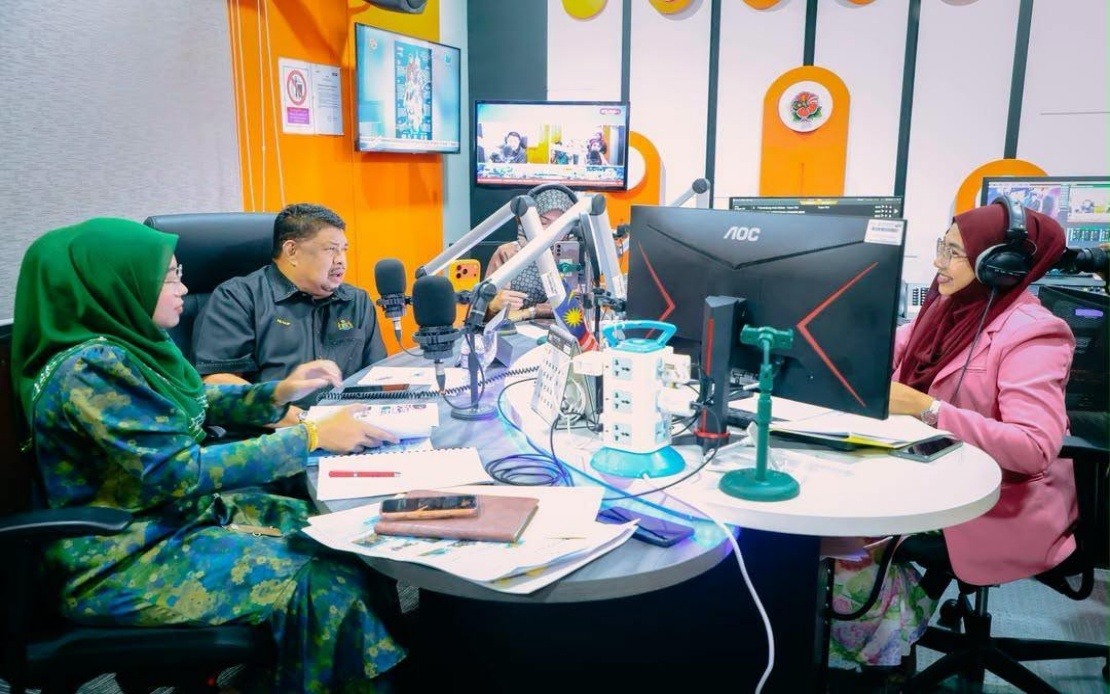
Melaka's National Day festivities this year will be relocated to the coastal precinct of Dataran 1Malaysia Klebang, marking a significant shift in where the state celebrates its patriotic milestones. Chief Minister Datuk Seri Ab Rauf Yusoh unveiled the expanded programme during a media engagement on August 21, signalling the state government's intention to create a grander, more accessible celebration that showcases Malaysia's defence capabilities alongside cultural heritage.
The centrepiece of the three-day event running from August 29 to 31 will be the Civil-Military Cooperation Carnival, a first-time collaboration that brings the Malaysian Armed Forces directly into the public celebration space. This initiative reflects a broader trend across the region where governments use National Day observances not merely as ceremonial occasions but as platforms for demonstrating state capacity and military readiness. By berthing three Royal Malaysian Navy warships off the Klebang coast, the organisers are creating an unprecedented opportunity for ordinary citizens to view naval assets at close quarters, demystifying defence infrastructure in the process.
The relocation from Dataran Pahlawan, where celebrations were held for the previous two years, represents more than a simple change of venue. It signals confidence in the Klebang coastal infrastructure and a deliberate strategic choice to utilise the waterfront's natural advantages. The expanded parade route along the coastal road offers greater viewing capacity and creates a more theatrical backdrop for the processions and demonstrations. For residents and visitors alike, the shift provides easier access to what has traditionally been a crowded, centrally-located event, though transport logistics will require careful coordination.
Military demonstrations form the dramatic centrepiece of the carnival's programming. In addition to the naval vessels, the public will witness parachute jumpers descending from aircraft, fighter jets and military helicopters conducting flypasts, and special forces units performing tactical displays. These spectacles serve multiple purposes: they entertain crowds, demonstrate military capability, and reinforce public confidence in national defence institutions. In the Malaysian context, such displays also underscore the armed forces' integral role in national development and security—themes that resonate strongly during Independence celebrations.
The cultural dimension remains equally important to the military showcase. Merdeka Eve on August 30 will feature performances by established artists including Ziana Zain, Amy Search, and Charly Van Houten, anchoring the festivities in Malaysia's musical heritage. This programming decision reflects an understanding that National Day celebrations must balance patriotic demonstration with entertainment value, ensuring broad demographic appeal beyond the typically smaller crowds that turn out for purely ceremonial proceedings. The inclusion of music and cultural performances makes the event more likely to attract families and younger Malaysians who might otherwise overlook the occasion.
Religious observances also feature prominently in the schedule. The Melaka Berselawat programme on August 29 will commence the weekend with congregational prayers, qasidah recitations, and a religious lecture by visiting scholar Habib Syech Assegaf. This scheduling acknowledges the Muslim-majority population's expectations for spiritual reflection during national commemorations, and the selection of a prominent religious figure adds gravitas to the proceedings. Such inclusion of religious elements within secular national celebrations reflects Malaysia's particular approach to civic observance.
The state government has invested considerably in spectator comfort and accessibility. Two thousand seats in the public grandstand will accommodate those seeking optimal viewing positions, while designated standing areas along the parade route provide additional capacity. The provision of parking across eleven separate facilities with nearly five thousand spaces indicates serious planning for the anticipated crowd volume, though experience suggests such provisions are often strained during major celebrations. Shuttle bus services connecting parking areas to the main venue address the final-mile transportation challenge, a detail that will significantly impact attendance, particularly among elderly visitors and families with young children.
Traffic management and road closures have been designated according to a predetermined schedule that accommodates both rehearsals and the live event. This phased approach minimises disruption to Melaka's residents and broader transportation networks while allowing organisers to test logistics before the main celebrations. The advance communication of these schedules is essential for a state capital where traffic congestion during holiday periods is predictable and problematic. Residents' cooperation depends substantially on clear, accessible information distributed well ahead of the event.
Chief Minister Ab Rauf's public advisories urging attendees to plan journeys carefully and follow official directions reflect organisational concerns about crowd management and safety. National Day celebrations, by their nature, attract unpredictable attendance figures, particularly in instances where high-profile entertainment is scheduled. The combination of military demonstrations, naval displays, and celebrity performances may draw significantly larger crowds than the state government typically prepares for, creating potential bottlenecks in parking, shuttle services, and viewing areas.
The CIMIC Carnival concept itself deserves analytical attention. In Southeast Asia, such civil-military cooperation initiatives have become increasingly common as governments seek to deepen public engagement with defence institutions. By framing military participation not as intimidation or power projection but as community cooperation, authorities present armed forces as stakeholders in national development and prosperity. This messaging carries particular significance in Malaysia's multicultural context, where defence institutions must maintain credibility across diverse ethnic and religious communities.
For Malaysian and broader Southeast Asian observers, Melaka's expanded celebration represents a template that other state governments might adopt. The integration of military and civilian entertainment, the emphasis on accessibility through transport provisions, and the careful balancing of religious and cultural elements suggest thoughtful event planning that transcends simple flag-waving nationalism. Whether this approach translates into sustained public engagement with National Day observances, or merely creates a single impressive spectacle, will become apparent only as the August celebrations unfold.

