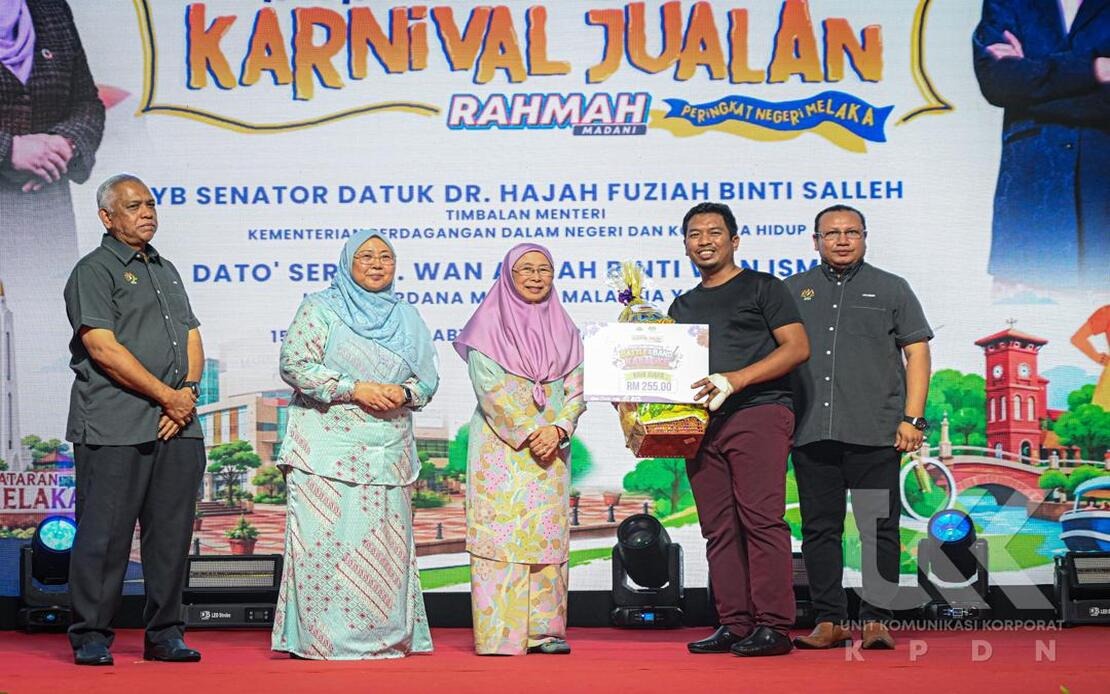
The government's affordable food initiative is gaining traction across the nation, with participation from food and beverage businesses surging to unprecedented levels. As of July this year, a total of 3,210 operators have joined the Menu RAHMAH programme, demonstrating that the private sector is increasingly willing to partner with authorities to alleviate Malaysia's cost-of-living pressures. Domestic Trade and Cost of Living Deputy Minister Datuk Dr Fuziah Salleh highlighted the significance of this uptake, framing it as evidence that food operators recognise the social responsibility dimension of supporting consumer welfare.
The participation landscape reveals that food stalls and food court operators form the backbone of the initiative, accounting for 1,016 registrations out of the total tally. Beyond these informal eating establishments, the programme has attracted traditional restaurants, hawker operators, mobile food trucks, and bazaar vendors, creating a diverse ecosystem of affordable dining options. This broad-based involvement reflects Menu RAHMAH's inclusive design, which accommodates businesses of varying scales and operational models rather than targeting only large restaurant chains. The diversification of participating venues suggests the programme is reaching consumers across different socioeconomic strata and geographical settings.
Crucially, policymakers have reframed Menu RAHMAH as a permanent fixture in Malaysia's social safety net rather than a temporary expedient. This strategic messaging is significant because it signals long-term government commitment, which in turn may encourage additional food operators to make structural adjustments to accommodate the programme's requirements. By positioning Menu RAHMAH alongside other enduring welfare initiatives, the government is attempting to institutionalise affordable food access as a policy priority that transcends electoral cycles and ministerial changes. This permanence may also influence supply chains and food cost negotiations, as vendors anticipate sustained demand for competitively priced offerings.
The strategic focus on Rest and Service Areas represents a tactical expansion that recognises how modern Malaysians consume food during interprovincial travel. R&R facilities along highways typically charge premium prices, creating affordability challenges for families undertaking long journeys. By introducing Menu RAHMAH options at these high-traffic locations, the government addresses a genuine gap in the affordable food ecosystem whilst capitalising on captive customer bases. This expansion also reflects sophisticated policy design that considers consumption patterns beyond traditional hawker centres and neighbourhood restaurants.
Paralleling the Menu RAHMAH expansion, the MADANI RAHMAH Sales Programme has demonstrated even more impressive scale metrics. By July 2026, this complementary initiative had exceeded its annual implementation target of 17,500 times, recording 19,322 separate events and facilitating nearly 25.5 million transactions nationwide. The programme's reach spans 600 state constituencies and 40 Federal Territory zones, indicating penetration across urban and rural areas. The savings offered—ranging from ten to thirty percent below market prices—apply to essential categories including poultry, seafood, eggs, cooking oils, grains, fresh produce, and household goods, creating measurable relief in household grocery budgets.
The scale of transaction data provides empirical validation that Malaysians are actively engaging with these subsidised purchasing opportunities. With 25.5 million transactions recorded, the programme is generating sufficient consumer activity to justify its resource allocation and operational infrastructure. However, these numbers also suggest capacity constraints; if the target population exceeds current transaction volumes, expanding the frequency and geographical coverage of sales events could yield additional welfare benefits. The concentration of activities across specific constituencies and zones may also indicate disparities in programme awareness or accessibility that merit investigation.
The KPDN Mini Carnival held in Melaka exemplifies how the government is leveraging experiential marketing to increase public awareness and participation in these initiatives. By consolidating multiple cost-of-living programmes under a single carnival framework, authorities reduced information asymmetries and provided citizens direct access to advisory services and enrolment pathways. The inclusion of business matching sessions signals recognition that sustainable relief requires ecosystem development, not merely subsidised transactions. The involvement of 27 traders offering discounted goods, coupled with entertainment components including an esports tournament organised with Todak, demonstrates attempts to make affordability initiatives socially engaging rather than administratively burdensome.
The carnival's reported attendance of nearly 3,000 visitors on its opening day, with expectations of continued growth, suggests these experiential events successfully generate footfall. The dual-track approach—combining practical affordability programmes with entertainment and business development—may explain the attendance success. Malaysians appear responsive to events that bundle consumer benefits with recreational value, particularly in smaller cities like Melaka where integrated community events hold appeal. Replicating this carnival model across other state capitals could amplify awareness and participation metrics.
From a regional perspective, Malaysia's multi-pronged approach to cost-of-living relief contrasts with neighbouring economies' strategies. While some Southeast Asian nations employ direct cash transfers, Malaysia has emphasised supply-side interventions that enhance access to essential goods through programmes involving food operators and retailers. This distinction reflects different assumptions about market efficiency and administrative capacity. The Malaysian approach assumes that coordinating private sector participation yields better value distribution than purely fiscal transfers, though comparative impact studies remain limited.
The expansion trajectory suggests the government is attempting to sustain public satisfaction regarding cost-of-living management as economic headwinds persist. The simultaneous scaling of Menu RAHMAH and PJRM indicates a comprehensive strategy rather than ad hoc responses. However, questions remain about whether these programmes address underlying inflation drivers or primarily provide temporary relief. The sustainability of operator participation also depends on whether government support mechanisms—such as price-fixing guarantees or subsidies—remain adequate as input costs fluctuate.
Looking forward, the government's stated intention to intensify promotion through the 'Jom Cari Menu RAHMAH' campaign and deepen partnerships with traders' associations suggests continued investment in programme maturation. Expanding menu options and venue coverage could further democratise access to affordable nutrition. However, policymakers should monitor whether price ceilings remain competitive relative to unsubsidised alternatives, as consumer perception of value preservation is critical to sustained programme usage. The combination of quantitative growth metrics with qualitative engagement activities indicates sophisticated programme management, though long-term efficacy will ultimately depend on whether these initiatives meaningfully reduce household financial stress.

