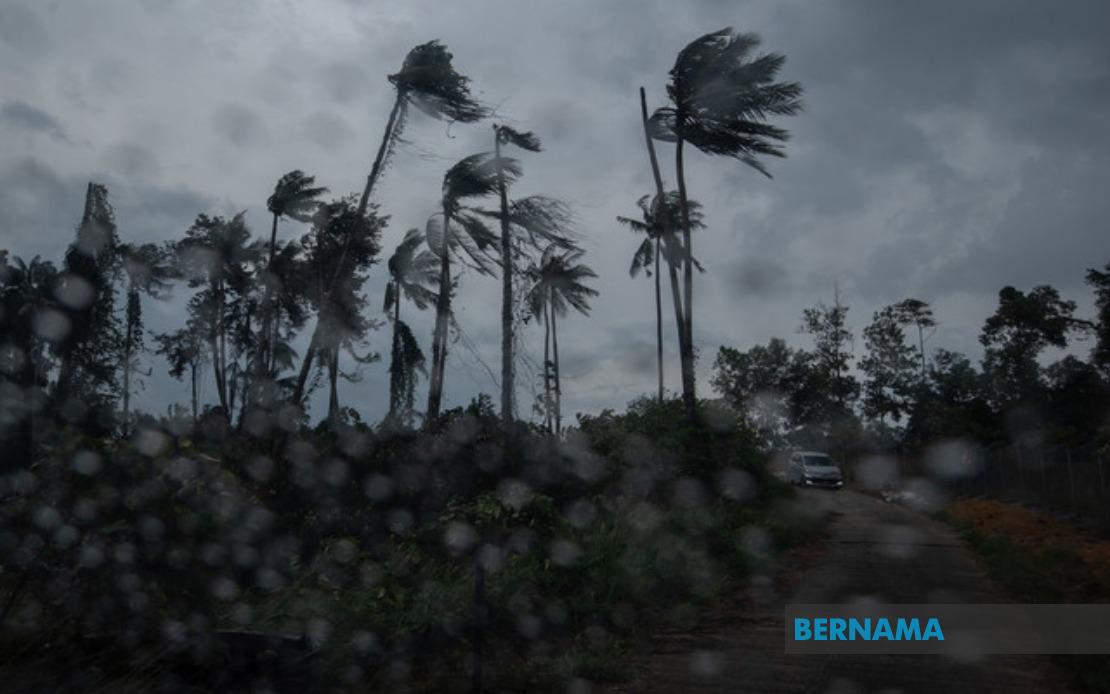
Nine states across Malaysia face hazardous weather conditions as the Malaysian Meteorological Department issued a thunderstorm warning affecting populated and rural districts from mid-afternoon through evening. The alert, released at 2.40 pm, cautioned residents and commuters to prepare for sudden bursts of heavy precipitation, intense downpours, and potentially dangerous gusts of wind that could disrupt daily activities and travel across affected regions.
In the northern region, Kedah faces widespread exposure with six districts under alert: Baling, Sik, Kulim, Kuala Muda, Pendang, and Yan. The neighbouring state of Penang is similarly affected, with both Seberang Perai Utara and Seberang Perai Tengah expected to experience the worst of the atmospheric disturbance. This concentration of warnings in the northwest corridor suggests a significant weather system moving through the peninsula's economically important manufacturing and residential zones.
Peering into the east coast, Perak has been identified as particularly vulnerable, with seven of its districts—Mualim, Kinta, Kampar, Batang Padang, Perak Tengah, Hilir Perak, and Kuala Kangsar—included in the warning. This broad coverage underscores the scale of the meteorological system affecting the state. Terengganu residents in Dungun, Marang, Kuala Terengganu, and Kuala Nerus should also exercise caution during the warning period.
Pahang, stretching across the peninsula's interior and highlands, faces exposure in eight districts spanning from the elevated Cameron Highlands through the central plains to the eastern lowlands. The listed areas—Cameron Highlands, Lipis, Raub, Bentong, Bera, Rompin, Temerloh, and Maran—reflect the geographic diversity of the state, with implications for both agricultural communities in the highlands and urban settlements in valley towns. Such widespread coverage suggests the system has considerable spatial extent.
In central peninsular Malaysia, Negeri Sembilan's warning encompasses five districts: Seremban, Jempol, Tampin, Kuala Pilah, and Jelebu. By contrast, Johor's exposure appears more limited, with only Segamat facing the alert conditions. This disparity illustrates how meteorological systems often affect regions with considerable variation in intensity and geographic reach.
Beyond the peninsula, the warning extends to East Malaysian states with significant populations. Sarawak faces the most comprehensive East Malaysian alert, with warnings issued for multiple divisions including Miri district in Marudi, Limbang, Mukah, the Sibu division encompassing Sibu and Selangau, Sarikei with Maradong and Sarikei proper, and Bintulu covering both Bintulu and Tatau. This expansive coverage reflects the equatorial maritime climate patterns affecting the state year-round.
Sabah receives targeted alerts for the Interior Division covering Keningau, Tambunan, Membakut, Tenom, Sipitang, and Beaufort, alongside the West Coast and Kudat division's Kota Marudu. These areas, encompassing both interior hill districts and coastal communities, represent critical economic zones reliant on logging, agriculture, and fishing activities that could face disruption from severe weather.
The five-hour warning window until 5 pm provides residents with a defined period to prepare protective measures, secure loose outdoor items, and monitor developments through official channels. For commuters and transport operators, the alert necessitates heightened caution on roads, potentially justifying delays or route modifications. Schools, workplaces, and public facilities in affected areas typically activate contingency protocols during such warnings.
Weather patterns triggering simultaneous alerts across this geographic breadth—spanning from Kedah to Sarawak—suggest a significant tropical atmospheric system, possibly influenced by monsoon dynamics or localised convergence zones characteristic of Southeast Asian geography. Malaysian residents, particularly in states like Perak, Pahang, and Sarawak with extensive rural areas and challenging terrain, should remain attentive to official updates as conditions may intensify or persist beyond the initial forecast window. The broad geographic spread demonstrates the interconnected nature of Malaysia's weather systems and the importance of coordinated meteorological monitoring across the federation.

