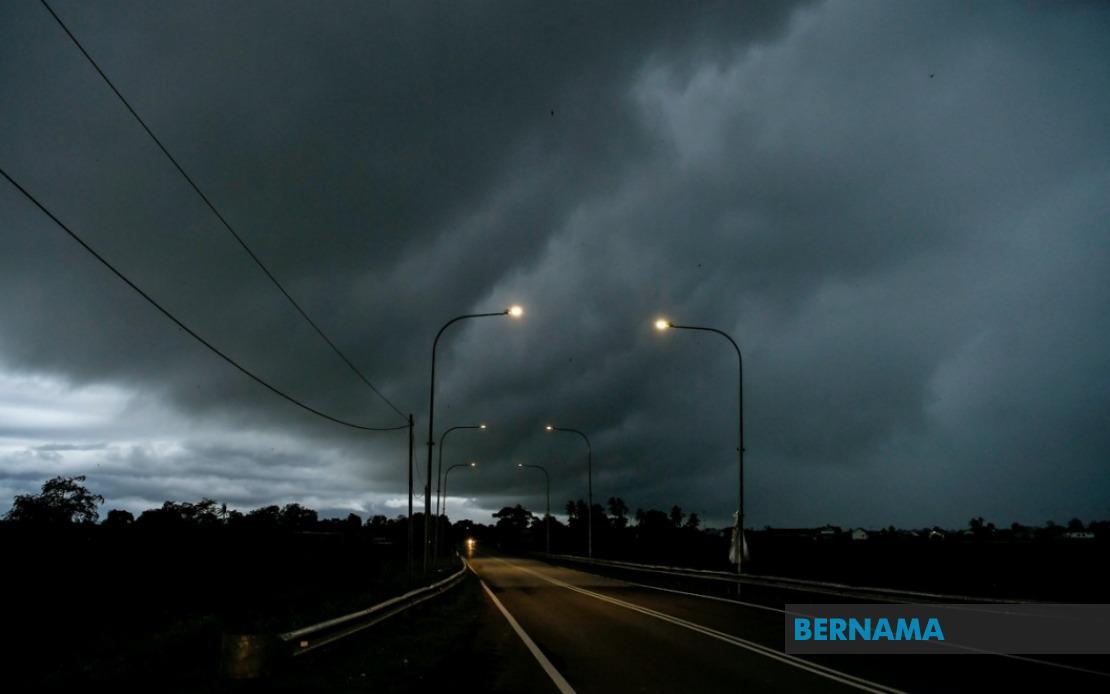
The Malaysian Meteorological Department issued a comprehensive severe weather alert on August 2, warning residents across 10 states of impending thunderstorms, intense rainfall, and powerful winds that are expected to persist throughout the afternoon. The alert, which remains in effect until 6 PM, encompasses vast stretches of the country from the northern regions down to the southern peninsula, as well as substantial portions of Sarawak and Sabah in East Malaysia.
The northern peninsula faces particularly widespread exposure to these hazardous conditions. Perlis lies entirely within the warning zone, while in Kedah, six administrative districts have been flagged—Padang Terap, Kuala Muda, Sik, Baling, Kulim and Bandar Baharu. Perak, covering much of the central northern region, sees nine of its districts affected, including the mountainous Larut and Matang area as well as Hulu Perak and the tin-mining regions of Kinta and Kampar.
The east coast faces equally significant atmospheric disruption. Terengganu has been placed entirely under the warning, while Kelantan's exposure includes seven districts spanning from the Thai border areas of Pasir Mas and Jeli through to the inland districts of Gua Musang and Kuala Krai. Pahang's warning zone encompasses eight districts, notably including the popular highland destination of Cameron Highlands, which frequently experiences severe weather during such systems, as well as major population centres like Kuantan and Pekan.
The warning extends selectively into the western coastal region. Selangor, typically Malaysia's most industrialised and densely populated state, sees only its Hulu Selangor district affected—the rural, forested area in the state's interior that borders Perak. In Johor, seven districts come under alert status, including the urban centres of Johor Bahru and Kota Tinggi, alongside less densely populated areas like Mersing on the east coast and Pontian on the west coast.
East Malaysian populations face substantial meteorological challenges across both major states. In Sarawak, the warning blankets the western division including Kuching and the border towns of Betong, extends through central divisions like Sibu and Mukah, and reaches the northern regions encompassing Miri's various sub-districts and the federal territory of Limbang. This represents coverage across nearly the entire western and central portions of the state.
Sabah's affected regions include the Interior division's five districts, the densely populated West Coast area, parts of Sandakan division, and the northern Kudat region. These areas represent significant population clusters and major economic zones dependent on stable weather conditions for transport and commerce.
Thunderstorm systems of this scale across multiple states simultaneously typically indicate the influence of larger atmospheric patterns, often associated with monsoon transitions or the formation of organised convective systems. Such warnings carry substantial practical implications for residents, affecting everything from road safety and visibility to electrical system reliability and water runoff in flood-prone areas.
The geographic breadth of this alert underscores how weather systems can simultaneously disrupt daily life across Malaysia's diverse regions, from urban centres like Kuala Lumpur's hinterland to remote highland communities and international trade hubs. Residents in all flagged areas were advised to exercise heightened caution during the warning period, particularly regarding outdoor activities and travel on vulnerable routes.
The Malaysian Meteorological Department's specificity in identifying affected districts within each state, rather than issuing blanket state-level warnings, reflects an increasingly refined approach to weather forecasting that enables more targeted public safety messaging. This granular approach helps residents and authorities focus preparedness efforts on genuinely threatened areas while avoiding widespread disruption in unaffected localities within the same state.
For Malaysian businesses and authorities, such widespread alerts necessitate rapid coordination to manage potential disruptions. Transportation networks, particularly in the affected districts, could experience congestion as drivers exercise caution. Outdoor construction sites would need to implement safety protocols, and utility companies typically increase operational readiness during such events.
The simultaneous coverage of both Peninsular and East Malaysian regions highlights how equatorial Southeast Asian weather systems transcend traditional geographic boundaries. Both regions experience similar atmospheric drivers during certain seasons, making coordinated forecasting and public communication essential for ensuring consistent safety messaging across the nation's dispersed population centres.
Authorities typically recommend that residents in warned areas remain alert to updated forecasts, avoid unnecessary travel through the warning period, secure loose outdoor items, and stay informed through official meteorological channels. The 6 PM deadline suggests forecasters anticipated the system would weaken or move away from these regions by evening, though conditions could remain unsettled in isolated areas beyond the formal warning window.

