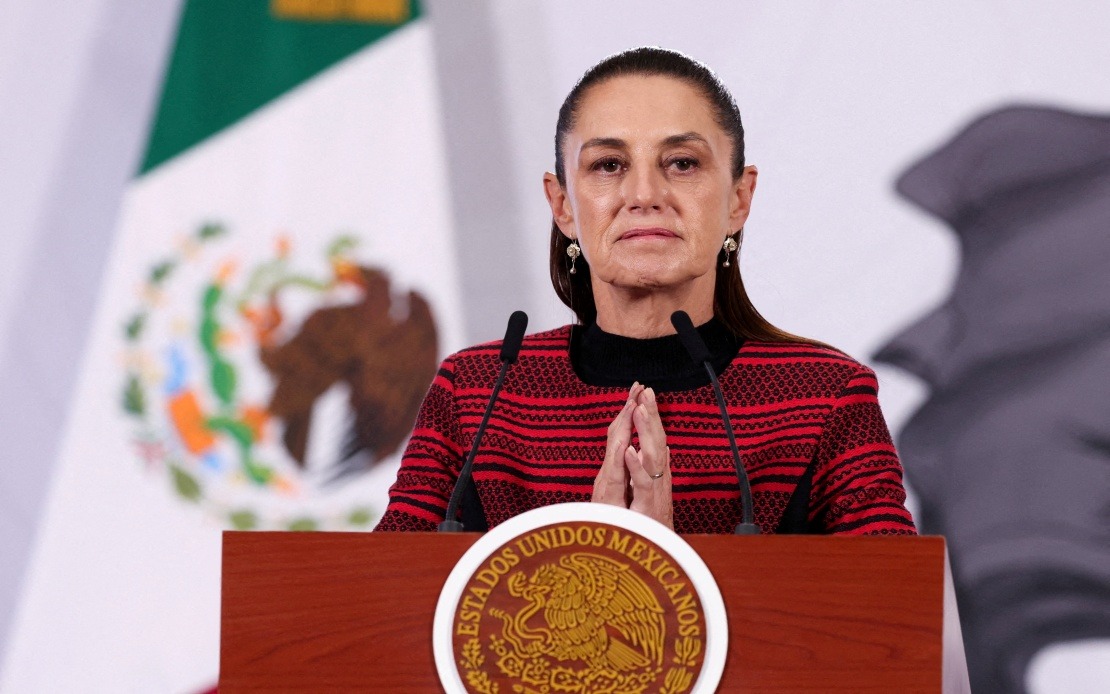
Mexican President Claudia Sheinbaum has made an unexpected diplomatic move by accepting a direct invitation from United States President Donald Trump to attend the World Cup final between Argentina and Spain. The Mexican leader confirmed the decision to journalists on Friday, revealing that Trump had personally extended the invitation to her. Canadian Prime Minister Mark Carney will also be present at the match, set to take place in East Rutherford near New York.
The announcement carries particular significance given the current state of bilateral relations between Mexico and the United States. The two neighbouring countries have been navigating increasingly tense negotiations centred on trade policies and cross-border security matters. Trump's direct invitation to Sheinbaum represents an effort to maintain diplomatic channels despite these underlying tensions, signalling that sports diplomacy can sometimes transcend political friction.
Sheinbaum's attendance at the final will contrast sharply with her decision regarding Mexico's own World Cup opening ceremony. On June 11, the Mexican President declined to attend the inaugural match at Azteca Stadium in her home country. Rather than simply absenting herself, she gifted her ticket to an indigenous woman known for her passion for football. That gesture reflected Sheinbaum's stated priorities regarding indigenous representation and community engagement, even as she chose not to participate in the ceremonial aspects of hosting the tournament.
The presidential visit necessitated adjustments to Sheinbaum's existing schedule in Quintana Roo, a coastal state in southeastern Mexico. Her team reorganised her itinerary to facilitate her attendance at the championship match, demonstrating the importance placed on accepting Trump's overture. This logistical shift underscores how high-level diplomatic gestures, even in seemingly apolitical contexts like sporting events, require careful coordination and prioritisation.
So far, Sheinbaum and Trump have met face-to-face only once since she assumed office. That solitary in-person encounter occurred in December during the World Cup draw ceremony in Washington. The World Cup final invitation provides them with a second opportunity for direct engagement outside of formal bilateral meetings, potentially creating a more informal setting for diplomatic dialogue. Such informal interactions between heads of state can sometimes prove more productive than structured negotiations, as they allow for personal rapport-building alongside substantive discussion.
The Spanish royal family will be well-represented at the final, with King Felipe VI and Queen Letizia attending alongside Crown Princess Leonor and Infanta Sofía. Their presence reflects the traditional involvement of European monarchies in major sporting events and demonstrates the ceremony's status as a high-profile international occasion that draws leaders and dignitaries from across the globe.
Argentina's President Javier Milei has opted for a different approach, choosing not to watch the final from within the stadium itself. His decision stems from Argentine superstitions surrounding sporting events—cultural beliefs about how one's presence or actions might influence outcomes. This reflects the deep-rooted superstitious traditions within Argentine football culture, where fans and even leaders sometimes follow specific rituals believed to bring good fortune to their national teams.
For Malaysian observers and regional policymakers, this diplomatic engagement between Mexico and the United States offers instructive lessons about managing bilateral tensions through strategic public appearances and informal channels. Southeast Asia faces its own share of complex regional relationships, and the willingness of leaders to meet across contentious issues, even at sporting events, demonstrates how nations can compartmentalise disagreements while maintaining operational diplomatic ties.
The World Cup final itself represents a rare moment when global attention concentrates on a single event, making any presidential attendance inherently significant from a media and symbolic perspective. For Sheinbaum, accepting Trump's invitation signals confidence in maintaining working relations with Washington despite Mexico's independent foreign policy stance. The decision also allows her to present a united front with other co-host leaders on the world's biggest sporting stage, reinforcing the collaborative nature of the three-nation tournament hosting arrangement despite individual national concerns and disagreements.

