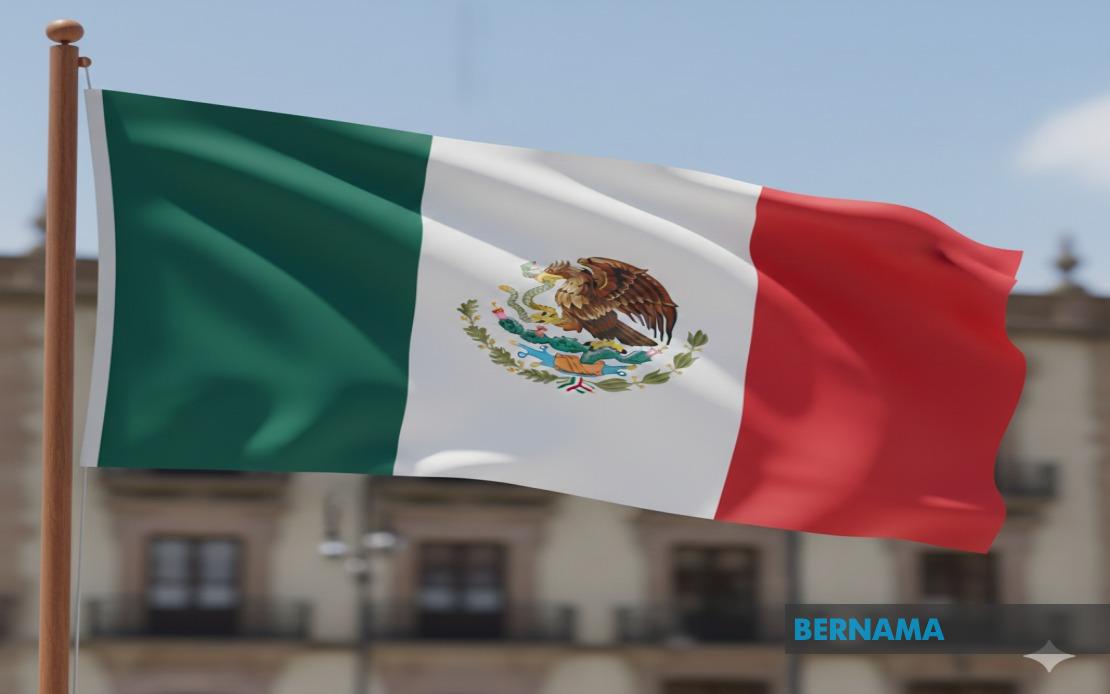
Mexico has taken the unprecedented step of formally referring the deaths of Mexican citizens connected to United States Immigration and Customs Enforcement operations to the UN High Commissioner for Human Rights, marking a significant escalation in the bilateral dispute. Mexican Foreign Minister Roberto Velasco submitted a letter to UN High Commissioner Volker Türk requesting a comprehensive examination of the incidents and demanding that the international body seek detailed information from Washington authorities regarding how these deaths occurred.
The referral to the UN represents a strategic pivot in Mexico's approach to what has become an increasingly tense issue in bilateral relations. Rather than confining its response to traditional diplomatic channels, the Mexican government is now leveraging international human rights mechanisms to scrutinise American conduct. The High Commissioner's office has been asked to determine whether the incidents align with the United States' international human rights commitments, to issue formal recommendations, and to potentially escalate the matter through the UN Human Rights Council's special procedures if warranted.
President Claudia Sheinbaum signalled this hardening of Mexico's position just days before the UN referral, declaring that her government would no longer rely exclusively on diplomatic negotiations but would pursue direct legal remedies against those deemed responsible. This marks a departure from Mexico's traditional approach to such matters and reflects growing domestic political pressure to protect Mexican nationals working and living abroad. The Mexican government's willingness to internationalise the issue signals the gravity with which it now regards the pattern of deaths occurring during ICE enforcement operations.
According to official Mexican government figures, three Mexican citizens have lost their lives during direct ICE operations, while an additional fourteen have died whilst being held in deportation detention facilities. These numbers underscore the scale of the problem from Mexico's perspective and suggest that concerns extend beyond isolated incidents to broader systemic issues within the US immigration enforcement and detention systems. The variety of circumstances surrounding these deaths—some during enforcement actions and others in custody—points to different but interconnected areas of concern.
The Mexican government and its Attorney General's Office are jointly preparing a formal complaint to be filed with the United States Justice Department, with submission planned through official channels via the Mexican embassy in Washington. This legal action represents a significant escalation, as it seeks accountability from the highest levels of the American legal system rather than limiting complaints to local authorities. Simultaneously, the embassy and Mexican consulates across the United States have begun filing complaints with relevant state-level prosecutors in jurisdictions where deaths occurred, creating a multi-layered legal response.
One particularly symbolic step involved Mexico sending cease-and-desist letters to detention facilities implicated in the deaths. The inaugural letter was directed to the Adelanto detention facility in California, a move that carries significant legal weight as it formalises Mexico's position and establishes a documented record of complaint. Legal experts view this as the opening move in a potential civil litigation strategy, positioning Mexico to pursue compensation claims and institutional accountability through American courts.
The case of Lorenzo Salgado Araujo exemplifies the friction point in this dispute. Shot during an ICE operation in Houston on July 7, Salgado Araujo had been a long-term resident of the Houston area for more than thirty years and operated his own construction business, indicating deep community roots. According to the Department of Homeland Security's account, the incident unfolded after he allegedly disregarded officer commands, rammed a law enforcement vehicle, and then attempted to strike an officer with his vehicle, prompting an ICE officer to fire. However, this official narrative has been contested by those closer to the incident.
Relatives of the deceased, civil rights organisations operating in the United States, and American Democratic politicians have all challenged the official account and are calling for independent investigation into the shooting. Their demands for external scrutiny reflect concerns that the incident may not have been handled according to proper law enforcement protocols and that the official explanation may not fully account for what transpired. This domestic American criticism bolsters Mexico's international position, as it demonstrates that concerns about ICE conduct are not solely foreign grievances but reflect legitimate domestic concerns within the United States itself.
For Malaysian and Southeast Asian observers, Mexico's strategy offers instructive lessons in how middle-income countries can leverage international institutions to challenge powerful nations on human rights matters. Rather than accepting a situation as unchangeable, Mexico has chosen to create an international record and engage UN mechanisms that can amplify scrutiny and influence through multilateral channels. This approach may resonate with other nations that find themselves seeking accountability from stronger trading partners.
The implications extend beyond bilateral Mexico-US relations. The case highlights vulnerabilities facing immigrant and migrant workers across North America and globally, issues that directly affect Southeast Asian citizens working abroad in various countries. Mexico's willingness to pursue the matter internationally rather than accept it as an internal American issue sets a precedent that other countries might emulate in protecting their nationals abroad.
The Mexican government's simultaneous pursuit of multiple legal and diplomatic strategies—UN involvement, US Justice Department complaints, state-level prosecutions, and detention facility notices—demonstrates a comprehensive approach designed to increase pressure on the American authorities from multiple directions. This multi-pronged strategy reflects both the seriousness with which Mexico takes the issue and its recognition that no single avenue of recourse may prove sufficient to achieve the accountability and reforms sought.
As these mechanisms proceed, the case will likely become a test of whether international human rights bodies can effectively influence the conduct of powerful nations in sensitive areas like immigration enforcement. The outcome may set important precedents for how countries address systematic concerns about the treatment of their nationals abroad.

