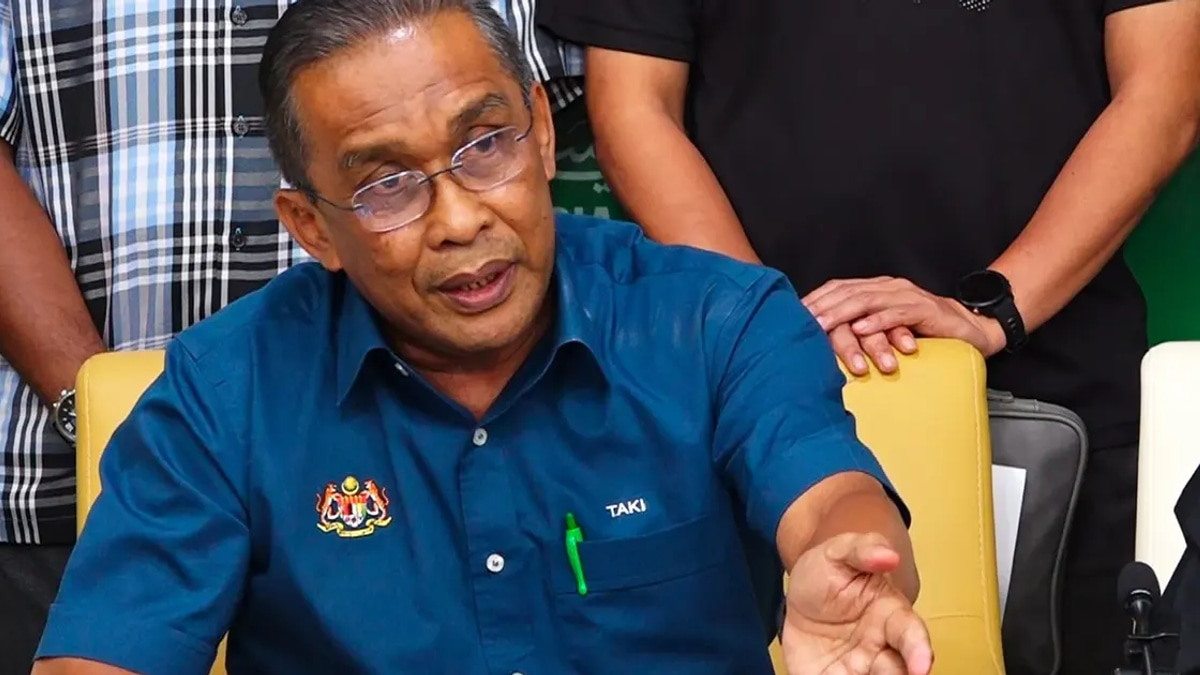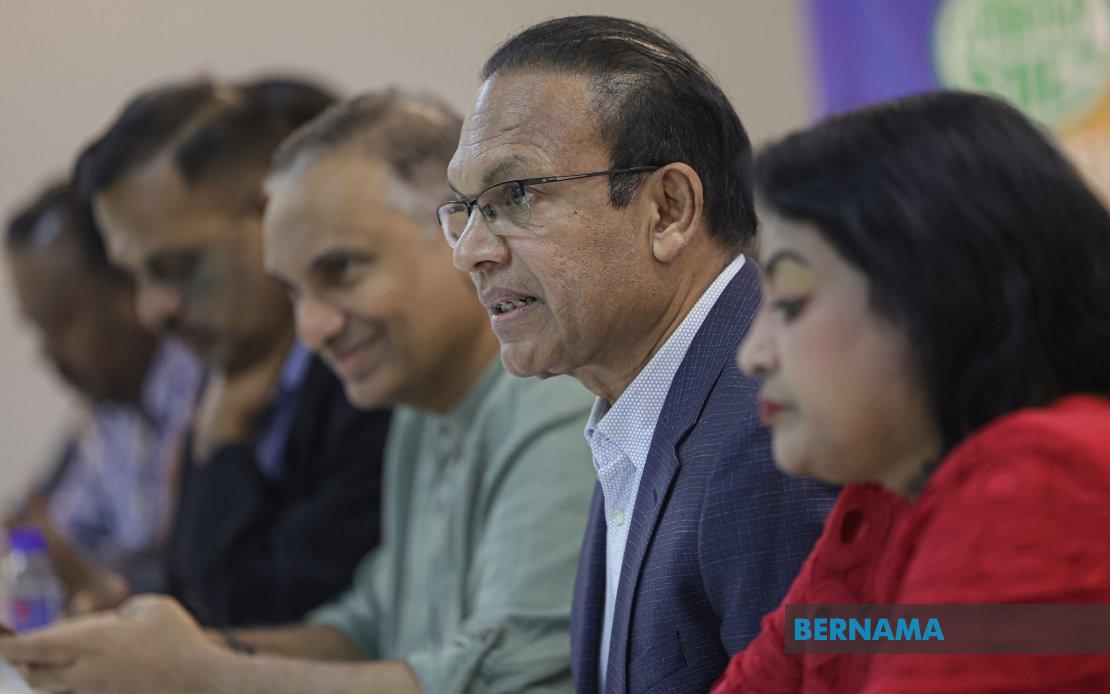
The Malaysian Indian Congress has confirmed it will field candidates in four constituencies during the forthcoming Johor state election, marking the party's continued participation within the Barisan Nasional coalition framework. The allocation was announced by party vice-president Datuk T. Murugiah, who cited confirmation from MIC president Tan Sri SA. Vigneswaran following recent coalition discussions covering both Johor and Negeri Sembilan electoral preparations. This arrangement underscores MIC's role as a component party within BN's multi-ethnic political structure, though negotiations around the party's seat allocation in Negeri Sembilan remain ongoing.
MIC's involvement in the Johor election reflects broader patterns of coalition seat-sharing that have characterised Malaysian electoral politics for decades. The party's four-seat contest represents continuity with its performance in the 2022 Johor state election, when it secured three of four constituencies—Kemelah, Kahang, and Tenggaroh—while encountering defeat in Bukit Batu. The upcoming electoral strategy appears designed to consolidate gains in stronghold constituencies while attempting to reclaim lost ground. Initial party intelligence suggests MIC may contest in Kemelah, Kahang, and Bukit Batu, with the Tenggaroh seat potentially being swapped with UMNO in exchange for the Perling constituency, a tactical adjustment reflecting coalition negotiation dynamics.
The party's election campaign strategy emphasises targeted outreach to the Indian community across all 56 seats that Barisan Nasional will contest statewide. To execute this approach effectively, MIC plans a comprehensive two-day training programme in Johor Bahru this weekend, equipping approximately 150 party speakers with communication skills and policy messaging before campaigning commences. These speakers will be mobilised across the entire electoral landscape to articulate BN's positions and attract Indian voter support, demonstrating MIC's commitment to leveraging community networks and cultural connections as campaign assets. The training initiative highlights the party's recognition that effective grassroots communication requires preparation and consistency in messaging.
Candidacy planning reveals significant generational transition within MIC's electoral approach. According to party sources, approximately fifty percent of the party's Johor candidates are expected to be new faces entering electoral politics, signalling an organisational effort to refresh its political bench strength and broaden appeal beyond incumbent representatives. This renewal strategy may address perceptions of stagnation within certain constituencies while potentially energising the party machinery with younger or previously untested candidates. The timeline for implementing this transition remains tight, with candidate nominations scheduled for June 27, providing limited window for party vetting and grassroots acceptance of new contenders.
For Negeri Sembilan, MIC's electoral prospects appear more modest, with preliminary indications suggesting the party may contest two seats in that state election. However, finalisation of the Negeri Sembilan seat allocation had not been completed at the time of Murugiah's announcement, indicating ongoing negotiations within the coalition framework. The Negeri Sembilan election is scheduled for August 1, with candidate nominations occurring on July 18, providing a subsequent timeline that allows coalition parties to coordinate their respective nominations across both states sequentially.
The electoral calendar compressed the political window for preparation, with Johor polling fixed for July 11 and candidate nominations only a fortnight away. This compressed timeline places considerable pressure on MIC to finalise candidate selection, execute training programmes, and mobilise campaign machinery efficiently. The party's decision to prioritise speaker training demonstrates recognition that the narrow window between nominations and polling requires candidates and campaign representatives to hit the ground with prepared messaging and communication capability.
MIC's positioning within the broader Barisan Nasional coalition reflects the enduring structural role of component parties in Malaysia's electoral system. While UMNO dominates BN in most states, smaller coalition partners like MIC maintain significance as vehicles for community-specific mobilisation and representation, particularly for minority communities whose support proves decisive in electoral outcomes. The four-seat allocation, while modest in numerical terms, carries symbolic and practical importance for MIC's internal legitimacy and electoral credibility within the Indian Malaysian community.
Beyond electoral preparations, MIC's broader organisational agenda extends to anniversary commemorations and community engagement. The party plans to organise sports competitions across 152 locations nationwide this Saturday as part of its 80th anniversary celebrations, explicitly inviting participation from all racial communities. These competitions, encompassing football, badminton, bowling, carrol, and hiking activities, represent efforts to position MIC as an inclusive community organisation transcending purely electoral functions. Such initiatives contribute to the party's public messaging and community presence independent of the electoral cycle.
For Malaysian and Southeast Asian observers, MIC's electoral participation demonstrates the persistence of communal political organisation within democratic systems. The party's allocation of four seats, targeted community outreach, and strategic seat-swapping with coalition partners reflect sophisticated electoral management within Malaysia's unique consociational political framework, where representation of major ethnic communities remains institutionalised through coalition structures. This model continues to shape how Malaysian political parties organise campaigns, allocate resources, and mobilise voters along community lines, distinguishing Malaysia's electoral patterns from other Southeast Asian democracies with different communal compositions and political histories.