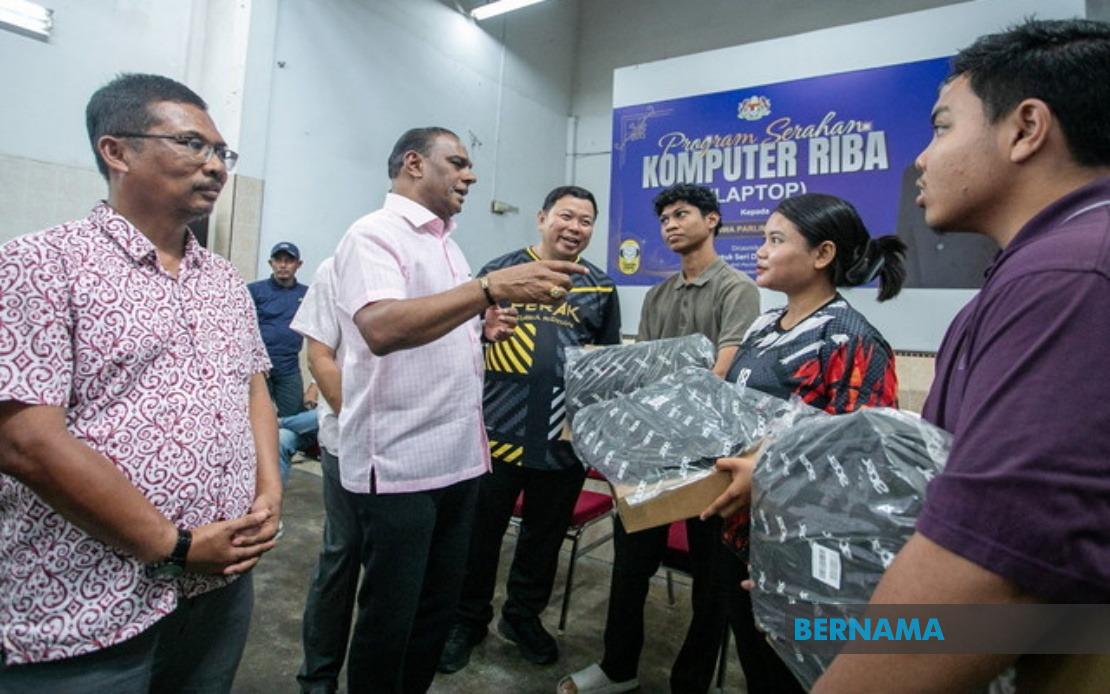
The Malaysian Indian Congress (MIC) has affirmed its commitment to contesting the Gadek seat in the upcoming Melaka state election while simultaneously conducting a comprehensive assessment of whether to expand its electoral footprint in the state. Deputy president Datuk Seri M. Saravanan made the announcement during an event in Tapah, signalling that the party's leadership is cautiously optimistic about both defending its existing stronghold and broadening its electoral ambitions in the southern state.
Saravanan outlined that the party's decision-making process on additional seats remains fluid, with several critical considerations influencing the final determination. The evaluation encompasses identifying constituencies with favourable demographic profiles for MIC, ensuring the availability of strong and credible candidates capable of mounting competitive campaigns, and conducting realistic assessments of the party's winning prospects in each proposed location. This multi-factor approach reflects a more strategic posture from MIC, moving away from blanket expansion efforts toward targeted, evidence-based seat contestation.
The party president Tan Sri S A Vigneswaran is actively engaged in evaluating potential candidates across various constituencies, according to Saravanan, with an announcement expected in the near term. This candidate identification process represents a crucial determinant in MIC's expansion calculus, as the party recognises that merely contesting additional seats without competent candidates would squander resources and potentially damage the party's credibility. The emphasis on candidate quality suggests MIC is attempting to learn from previous electoral disappointments and adopt a more disciplined approach to seat selection.
In the 2021 state election, MIC's sole victory came through VP Shanmugam in the Gadek constituency, where the party candidate emerged triumphant in a six-way contest with a narrow 559-vote majority. This slender victory margin underscores both the competitive nature of electoral contests in Melaka and the importance of consolidating existing gains before pursuing expansion. Defending Gadek therefore assumes considerable symbolic importance, as losing this seat would represent a significant setback for a party seeking to expand its presence in the state.
The groundwork for the coming election is already underway, with MIC operatives engaged in fundamental campaign preparation activities. The party is systematically identifying voters, with particular emphasis placed on mobilising its core supporters—a traditional electoral strategy that acknowledges MIC's need to maximise turnout among sympathetic constituencies rather than attempting broad appeal across diverse demographic segments. This voter identification exercise forms the foundation of targeted messaging and ground operations.
Beyond mere voter identification, MIC is also conducting a substantive review of contemporary issues affecting Melaka constituents, assessing which concerns resonate with voters and where the party's policy positions might offer meaningful solutions. This issues-based approach suggests MIC is attempting to move beyond purely community-based appeals and engage with broader governance questions that transcend the traditionally narrow purview of ethnic-based politics. Such positioning could prove advantageous in attracting younger voters and those concerned with economic, infrastructure, and development matters.
For Malaysian Indian Congress, the strategic calculus in Melaka reflects broader challenges facing the party within the Malaysian political ecosystem. As a component party within the Barisan Nasional coalition, MIC must balance maintaining coalition discipline and loyalty with pursuing electoral gains that demonstrate the party's continued relevance to the Indian Malaysian community. Expanding from one seat to multiple constituencies would signal enhanced standing within BN and provide greater leverage in coalition negotiations regarding ministerial portfolios and resource allocation.
The timing of MIC's seat expansion deliberations coincides with broader recalibrations within Malaysian coalition politics, where all component parties are reassessing their electoral viability and positioning. For a party that has experienced declining electoral relevance in recent electoral cycles, the Melaka state election represents an important opportunity to arrest negative momentum and demonstrate that MIC remains a consequential political force capable of winning multiple seats and contributing meaningfully to state governance.
From a regional perspective, MIC's cautious approach to expansion reflects a broader maturation in Malaysian electoral politics, where parties increasingly recognise that seat proliferation without adequate organisational capacity, candidate quality, and electoral competitiveness yields diminishing returns. This represents a departure from the previous era when parties contested maximally, regardless of realistic winning prospects, often resulting in embarrassing defeats and wasted campaign resources.

