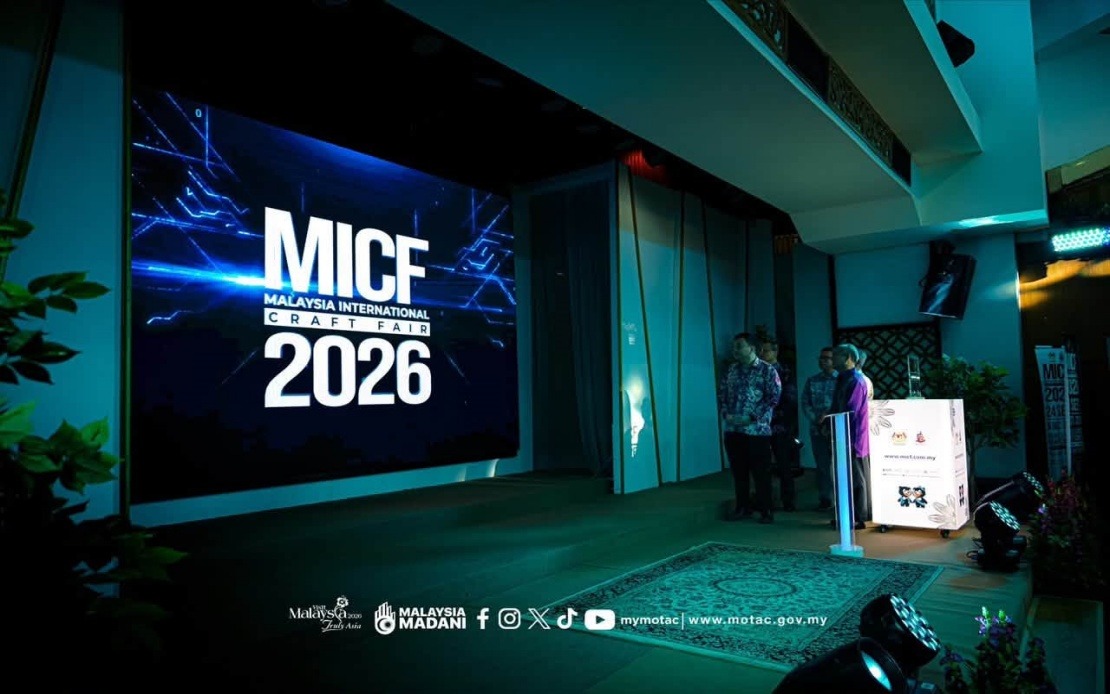
The Malaysia International Craft Fair 2026 is set to become a major gathering for the global artisan community, with organisers projecting a significant turnout as the biennial event prepares to open its doors at the Kuala Lumpur Craft Complex from September 24 to October 5. The fair aims to bring together approximately 400 participants, a carefully balanced cohort comprising 300 local craftspeople alongside 100 international artisans representing more than 20 countries across Asia, the Middle East, Europe and the Pacific region.
Kraftangan Malaysia, the national craft agency, has positioned MICF 2026 as a strategic platform designed to foster meaningful connections between established and emerging practitioners in the global craft sector. Beyond the immediate appeal of showcasing handmade goods, organisers emphasise that the event will facilitate networking opportunities among participants, enabling the formation of collaborative partnerships that extend far beyond the two-week festival period. For local artisans, the gathering promises enhanced market access and exposure to international buyers, collectors and design enthusiasts who increasingly value authentic, culturally rooted craftsmanship in an era of mass production.
The programme will feature live demonstrations from six countries, each presenting distinctive craft traditions that reflect centuries of cultural heritage and refined technique. China will showcase the intricate art of jade carving, a practice steeped in symbolism and requiring exceptional skill. New Zealand's Maori carving tradition represents indigenous artistic practices that have experienced significant global revival in recent decades. Uzbekistan's jewellery artisans will display the region's renowned metalworking heritage, while Sri Lanka contributes the delicate and labour-intensive beeralu lace work, a textile tradition integral to South Asian identity. Indonesia's leather artistry and India's tarkashi brass inlay work round out the international demonstration roster, collectively illustrating the remarkable diversity of techniques across the Asian continent.
Complementing the international presentations, Kraftangan Malaysia will present demonstrations by ten local craft masters and entrepreneurs, ensuring Malaysian traditions remain central to the narrative. This dual approach allows visitors to contextualise Malaysian craftsmanship within the broader global landscape while celebrating distinctive local practices that have sustained communities and cultural identity across the country's various regions and ethnic communities.
Beyond live demonstrations, the fair's programming reflects a comprehensive approach to cultural exchange and commercial opportunity. The event encompasses craft exhibitions designed to display finished pieces, interactive exploration spaces where visitors can engage more deeply with materials and processes, and formal presentation opportunities through the International Craft Talk forum. An International Fashion Showcase will illustrate how traditional craft techniques intersect with contemporary design sensibilities, appealing to modern consumers interested in heritage-informed fashion. Cultural performances scheduled throughout the 12-day run will provide entertainment while reinforcing the emotional and social dimensions of craft practices often obscured in commercial contexts.
The fair's operational structure prioritises accessibility and engagement, operating daily from 10 am to 10 pm to accommodate both casual visitors and serious collectors with varying schedules. This extended daily window reflects recognition that craft appreciation encompasses different demographics and motivations, from families seeking cultural education to interior designers and retailers scouting new product lines. Strategic partners have collaborated to enhance the visitor experience through programming elements including traditional cooking demonstrations, adding culinary dimensions to the craft narrative and acknowledging that food preparation represents another sophisticated artisanal tradition worthy of celebration.
Deputy Minister of Tourism, Arts and Culture Chiew Choon Man officially launched the fair's promotional campaign at the Kuala Lumpur Craft Complex, signalling government support for initiatives that promote Malaysia's cultural industries. This backing reflects broader Southeast Asian policy trends recognising that craft sectors contribute meaningfully to tourism revenue, employment and cultural preservation. For Malaysia specifically, MICF 2026 aligns with national efforts to elevate the creative economy and position the country as a regional cultural hub attracting both international visitors and investment in heritage-based industries.
The scale of international participation in MICF 2026 reflects globalisation's complex relationship with traditional craftsmanship. While mass manufacturing and digital technologies have fundamentally altered production landscapes, a simultaneous surge in consumer demand for artisanal goods, sustainable products and culturally authentic items has created new opportunities for craft practitioners worldwide. Southeast Asian nations, positioned at the intersection of ancient artistic traditions and dynamic modern markets, stand to benefit particularly from such exchanges that validate traditional knowledge systems while creating commercial pathways.
For Malaysian participants, the event represents an opportunity to access markets and networks that might otherwise require extensive international travel and marketing investment. Smaller operations and family-based enterprises gain exposure typically reserved for larger corporations, while established names can reinforce their positions within global craft communities. The anticipated presence of international buyers, curators and media representatives suggests serious commercial potential beyond mere cultural celebration.
The fair's emphasis on demonstrations rather than purely transactional retail reflects evolving consumer preferences toward experiential engagement and understanding production processes. Visitors increasingly value transparency regarding artisanal practices and wish to grasp the skill, time and cultural knowledge embedded in finished objects. This educational dimension distinguishes MICF 2026 from conventional trade fairs, potentially attracting attendees motivated by learning and cultural appreciation alongside commercial interests.
Regional context further enhances MICF 2026's significance. Southeast Asian nations share overlapping craft traditions, similar colonisation histories that impacted artisanal sectors, and ongoing challenges preserving traditional knowledge as younger generations pursue alternative careers. Events facilitating cross-border exchange among practitioners help sustain these communities by demonstrating continued market viability and creating peer networks that strengthen individual practitioners' resilience and innovation capacity.
The Malaysia International Craft Fair 2026 ultimately represents a convergence of cultural diplomacy, economic development and heritage preservation. By creating dedicated space and time for meaningful interaction among global artisans and international audiences, the event acknowledges that craftsmanship transcends mere commodity production, embodying cultural values, environmental consciousness and human creativity that increasingly differentiate successful economies in the twenty-first century.

