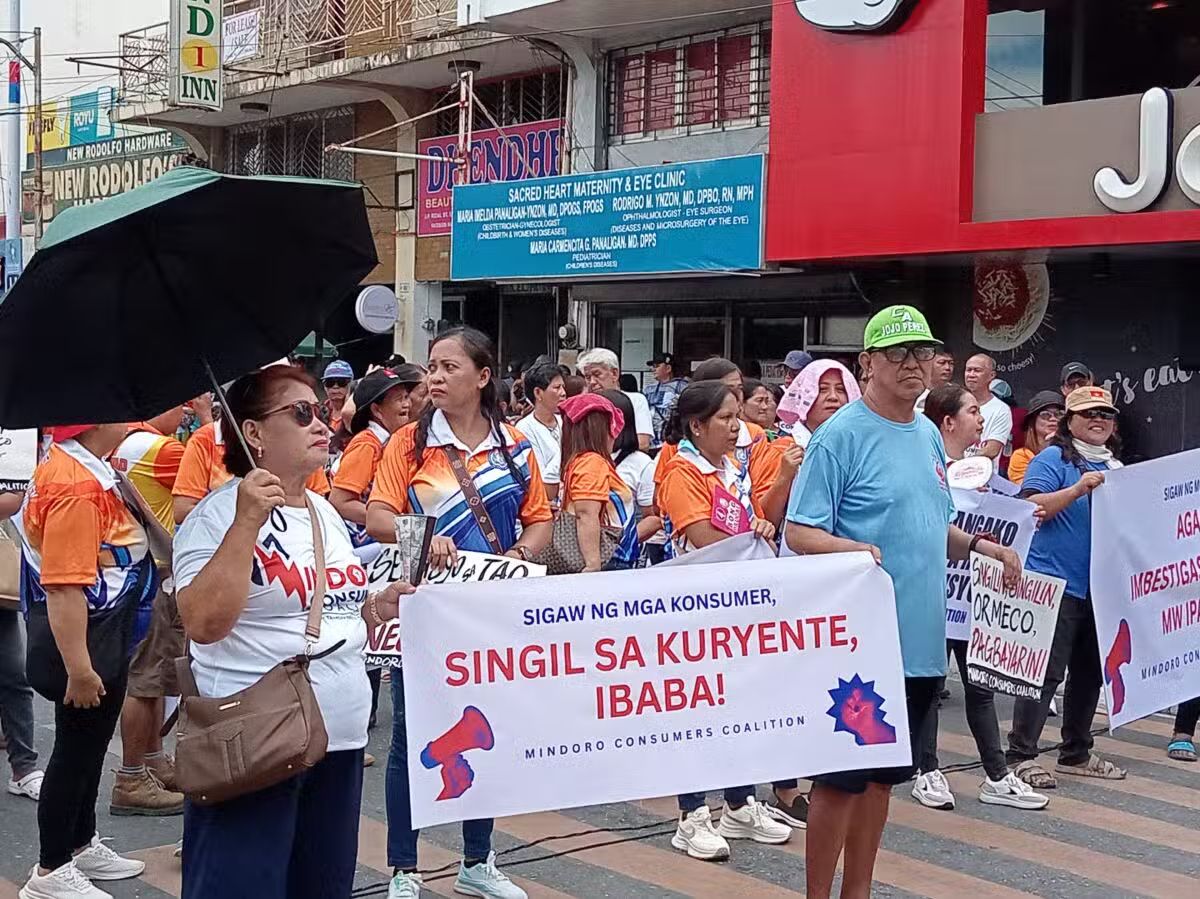
The Mindoro Consumers Coalition has emerged as a vocal critic of Oriental Mindoro Electric Cooperative's recent electricity rate reduction, disputing the utility's claim that the P1-per-kilowatt-hour cut stems from cheaper power supplied by newly operational independent power producers. The consumer group's challenge, articulated through a statement released on Saturday, signals growing public scrutiny over how the cooperative manages its power supply contracts and rates in the province.
At the heart of the dispute lies a fundamental disagreement over causality. ORMECO's General Manager Engr. Humphrey Dolor attributed the P1.06-per-kWh reduction in July billing to the operation of new power plants contracted under a 57-megawatt Competitive Selection Process. However, the Mindoro Consumers Coalition has systematically dismantled this explanation by pointing out that the power supply contracts for Lots IV and VII under this CSP arrangement have been in operation for a full year without any government subsidy supporting their rates. If these cheaper power sources were already operational and unburdened by subsidy costs, the coalition argues, why did consumers only see rate relief now rather than earlier when these plants first came online?
The coalition's reasoning reveals a critical insight into electricity pricing dynamics in the cooperative sector. By establishing that the supposedly new power supply was not actually new in operational terms, MCC has shifted the narrative away from external supply factors toward internal management decisions. The group contends that rate adjustments ultimately remain a management prerogative rather than an inevitable consequence of market forces, suggesting that ORMECO could theoretically have implemented reductions earlier or could increase rates again whenever management decides to do so. This argument places responsibility squarely on cooperative leadership rather than deflecting it to circumstances beyond their control.
Additionally, the coalition has challenged what it characterizes as misleading framing in ORMECO's public communications. The cooperative's reference to only two operational independent power producers, according to MCC, pertains exclusively to the 57-megawatt CSP contracts and does not represent the full complement of power sources distributed across Oriental Mindoro. This distinction matters because it suggests ORMECO may have understated or misrepresented the scope of its power supply diversification, potentially creating an inflated impression of dependence on newly contracted sources.
Perhaps more damaging to ORMECO's credibility are the specific discrepancies in system-loss reporting that MCC has highlighted. The coalition notes a stark gap between the 10 percent system-loss rate that ORMECO reports to the National Electrification Administration and the 17.5 percent actual charges appearing on consumer bills. This 7.5-percentage-point differential represents a substantial variance that demands explanation, particularly given that system losses are a significant cost component embedded in consumer rates. Such a disparity raises uncomfortable questions about either the accuracy of ORMECO's regulatory reporting or the legitimacy of charges being levied on consumers.
The system-loss discrepancy carries particular significance for Malaysian and regional readers familiar with similar electricity distribution challenges in Southeast Asia. System losses—attributed to technical inefficiencies, theft, and metering errors—are routinely cited by utilities across the region to justify higher tariffs. However, when reported figures to regulators diverge substantially from actual charges, it suggests either inadequate operational transparency, insufficient regulatory oversight, or both. This pattern has emerged in various contexts across Southeast Asia, where weakly resourced regulators struggle to verify utility claims and consumers bear the cost of unresolved discrepancies.
MCC's Saturday protest rally and formal statement constitute more than routine complaints; they reflect a broader regional trend toward organized consumer activism challenging utility pricing and governance. The coalition's explicit calls for congressional investigation and intervention by government agencies indicate that consumer frustration has evolved from individual complaints into coordinated political pressure. Such movements have gained momentum across Southeast Asian electric cooperatives and municipal utilities, where communities increasingly question how rates are structured and whether pricing decisions reflect genuine operational necessities or management discretion.
The timing of MCC's challenge also warrants consideration. By mounting their campaign immediately after the rate reduction was implemented, the coalition avoided the appearance of ingratitude while still pressing fundamental accountability questions. This tactical approach—accepting the rate cut while questioning its basis—demonstrates sophisticated advocacy strategy. Rather than being dismissed as perpetually dissatisfied consumers, MCC positions itself as seeking clarity and consistency in how ORMECO operates and communicates with the public.
For Oriental Mindoro residents and the cooperative's management alike, the trajectory of this dispute will likely hinge on whether ORMECO can adequately address the system-loss reporting discrepancy and clarify its rate-setting methodology. The cooperative faces pressure to either reconcile the gap between its regulatory filings and actual charges or explain the divergence transparently. Failure to do so will further erode public confidence and validate consumer suspicions that rate decisions lack transparent justification.
Beyond the immediate provincial context, this dispute illustrates broader governance challenges facing electrical cooperatives throughout the Philippines and Southeast Asia. Consumer expectations for transparency and accountability have risen significantly in recent years, particularly as digital communications enable rapid information sharing and coordination among affected communities. Utilities that depend on regulatory forbearance and limited consumer oversight face increasing difficulty maintaining that posture as organized groups demand verifiable explanations for pricing and operating decisions.
The Mindoro Consumers Coalition's challenge to ORMECO ultimately represents a test of whether regional utilities can meet escalating transparency standards. Whether through formal investigation, regulatory scrutiny, or cooperative governance mechanisms, the resolution of these discrepancies will signal to other communities whether organized consumer pressure can effect meaningful accountability in electricity provision. For stakeholders monitoring cooperative governance across Southeast Asia, the Mindoro case offers instructive lessons about consumer mobilization, regulatory response, and the sustainability of utility pricing decisions lacking robust public confidence.

