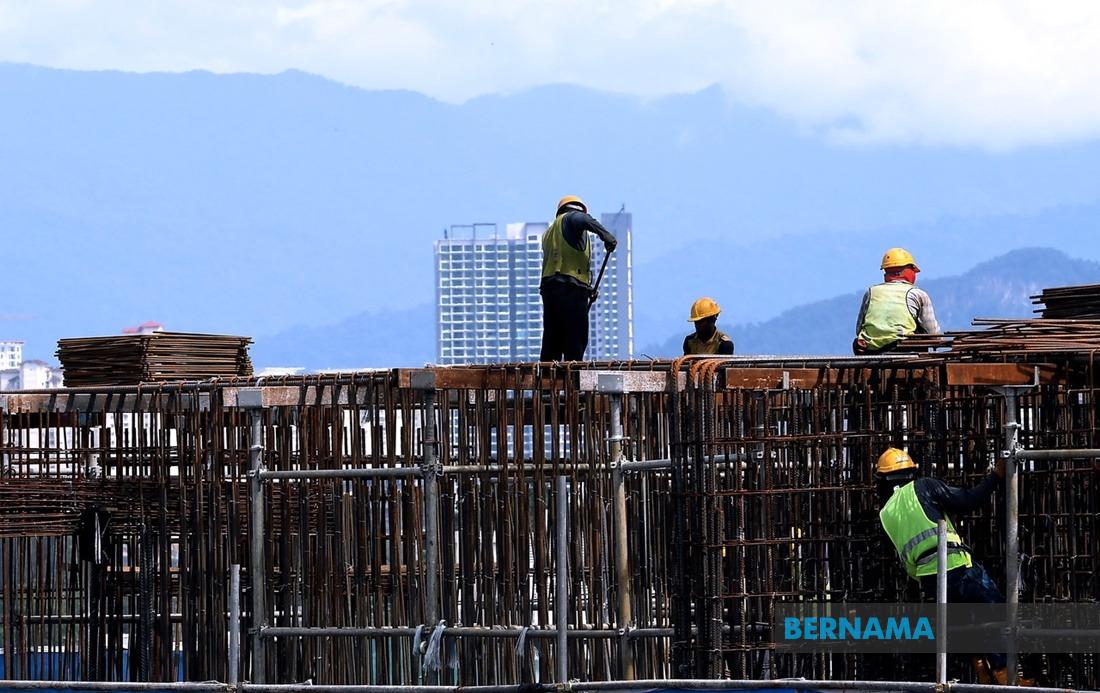
The government's examination of the Minimum Wages Order 2024 represents a pivotal moment for Malaysian workers, according to Datuk Mohamed Shafie BP Mammal, president of the Union Network International - Malaysia Labour Centre (UNI-MLC). The labour leader has stressed that the review must determine whether existing wage levels remain appropriate given the economic circumstances and requirements of the workforce across the nation.
Mohamed Shafie emphasized that the central purpose of reviewing minimum wages extends far beyond administrative routine. The assessment should establish whether compensation packages actually reflect the genuine cost of living that workers face in their daily lives, ensuring that labour market policies genuinely protect worker wellbeing and preserve their capacity to maintain reasonable living standards.
The distinction between nominal wages and actual purchasing power forms the crux of Mohamed Shafie's argument. He pointed out that the numbers appearing on a payslip tell only part of the story; what truly matters is whether those wages can stretch far enough to cover a family's essential requirements. This perspective reframes the minimum wage debate from a purely economic discussion into a social issue concerning dignity and survival.
According to the UNI-MLC president, wage rates require systematic reassessment whenever the cost of living shifts significantly. Such periodic reviews serve as a protective mechanism, ensuring that worker welfare remains safeguarded as economic conditions evolve. Without this mechanism, wages risk becoming increasingly disconnected from actual expenses, leaving workers worse off despite nominal employment.
Mohamed Shafie underscored the foundational role workers play in driving Malaysia's economic expansion and development. Given their substantial contribution to national prosperity, he argued that government labour policies must consistently prioritize their welfare and security. Workers should not be relegated to precarious financial situations where income barely covers survival needs.
The labour leader painted a concerning scenario of workers trapped in circumstances where wages provide insufficient funds for basic necessities, with nothing left for savings, children's education, or emergency reserves. He framed genuine worker welfare not as access to luxury goods but simply as the fundamental ability to live decently through one's own employment, a reasonable expectation in a developing economy.
Crucially, Mohamed Shafie clarified that conducting a minimum wage review does not automatically guarantee an increase in the prescribed rate. Rather, the exercise creates a formal opportunity for government, business owners, and workers to collectively evaluate whether the current wage floor remains fair and appropriate. This nuanced position acknowledges economic constraints while affirming workers' legitimate interests.
The tripartite approach that Mohamed Shafie advocated reflects recognition that wage policy requires balance among competing interests. Employers operate under cost pressures, workers need income security, and governments must foster broader economic conditions supporting business viability and employment growth. A thorough review theoretically allows all parties to examine evidence objectively rather than rely on entrenched positions.
UNI-MLC has signaled its willingness to engage constructively with all relevant stakeholders throughout the review process. This cooperative stance suggests the labour centre believes meaningful dialogue remains possible between workers' representatives and other institutions, provided discussions remain grounded in economic realities and genuine worker needs.
For Malaysia, this wage review occurs within a broader regional context of rising living costs, inflation pressures, and shifts in employment patterns following pandemic disruptions. Several Southeast Asian economies have grappled with similar wage adequacy questions, making Malaysia's approach potentially instructive for neighbouring countries considering their own labour policies.
The timing of this review carries significance for Malaysian workers facing persistent cost-of-living challenges. Housing, food, transport, and utilities have experienced noticeable price increases, eroding the purchasing power of existing wages for many households. A comprehensive assessment that acknowledges these pressures could influence whether upcoming minimum wage adjustments reach levels that genuinely improve worker circumstances.
Beyond immediate wage considerations, the review process itself matters for labour relations in Malaysia. A transparent, evidence-based examination that seriously incorporates worker perspectives would demonstrate government commitment to dialogue with labour organizations and strengthen social consensus around wage policy. Conversely, a review perceived as perfunctory might deepen mistrust between workers and policymakers.
UNI-MLC's emphasis on responsiveness to economic realities suggests a sophisticated understanding that wage policy operates within constraints. Neither workers nor employers benefit from policies divorced from actual economic conditions. The challenge lies in adjusting minimum wages sufficiently to protect worker welfare while maintaining business sustainability, a balance Malaysia's policymakers must carefully navigate as this review proceeds.

