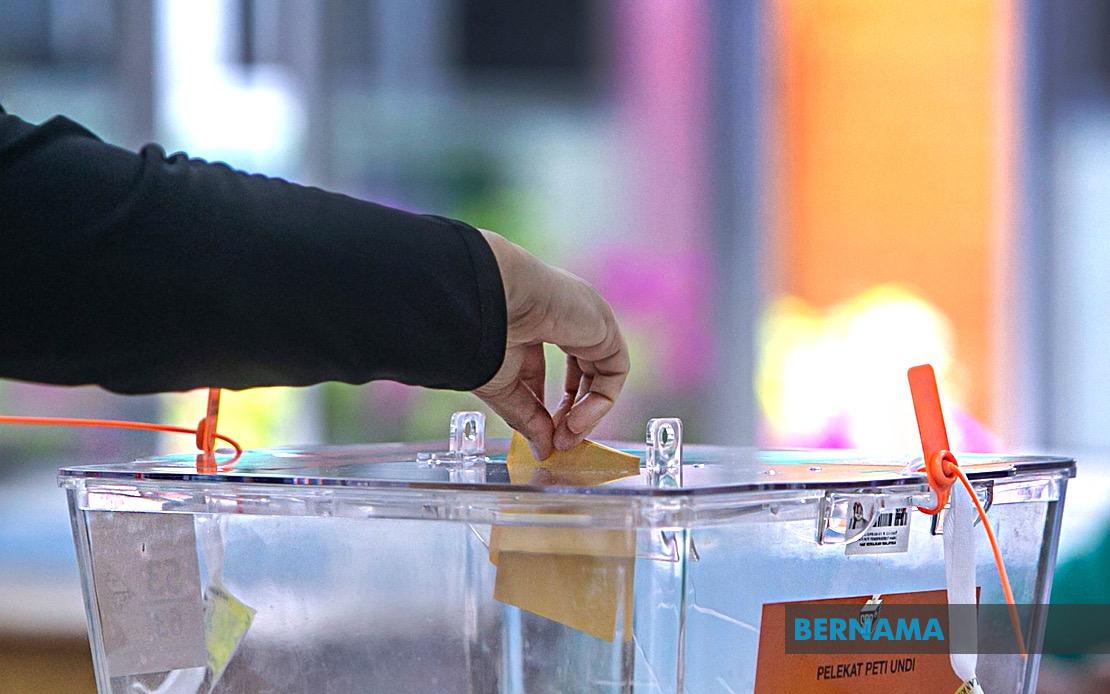
Malaysia's Ministry of Youth and Sports (KBS) has moved to remove barriers preventing students from participating in electoral processes, instructing all Youth and Sports Skills Training Institutions (ILKBS) to accommodate voting requirements by allowing eligible trainees to take special leave during general elections, state elections, and by-elections. The directive represents an official recognition that young people's civic duties need not conflict with their academic and vocational commitments.
The initiative emerged through formal channels, with the Youth Skills Development Division (BPKB) issuing notification letters to all ILKBS directors detailing the special leave framework. This centralised communication ensures consistent implementation across the network of institutions, which serve as crucial platforms for developing Malaysia's youth workforce through skills-based programmes. The move reflects broader government concern about youth participation in democratic processes and the imperative to facilitate, rather than obstruct, electoral engagement.
KBS articulated a philosophical foundation for the policy, emphasising that voting represents far more than a procedural exercise—it constitutes a fundamental mechanism through which citizens collectively shape national direction. The ministry's statement stressed that ILKBS students should not face an impossible choice between their training obligations and their democratic responsibilities, recognising that both are integral to developing engaged, responsible citizens. This framing positions voting not as ancillary to development but as central to it.
The approval process for special leave operates within practical parameters designed to maintain institutional integrity while respecting individual rights. Applications must reach ILKBS management, which will evaluate requests considering multiple factors: the distance between the training facility and the student's assigned polling centre, realistic travel time required, and the capacity to reschedule or adjust training activities without compromising educational outcomes. This contextual assessment prevents blanket approvals that might undermine training schedules while preventing arbitrary rejections based on administrative convenience.
Final authority rests with individual ILKBS directors, who possess discretion to approve or decline applications while maintaining responsibility for attendance records and student welfare. This decentralised decision-making acknowledges that circumstances vary considerably across the diverse range of ILKBS facilities nationwide, from urban centres to more remote locations. Directors must balance institutional needs against individual rights, but the ministry's directive establishes clear expectations that accommodation should be the default position rather than the exception.
Proactive notification represents a critical component of the policy's success. KBS instructed all ILKBS to communicate eligibility criteria and procedures to student voters well before elections occur, enabling timely application submissions and systematic travel planning. This advance notice prevents last-minute crises and allows both institutions and students to coordinate schedules methodically. Institutions must provide sufficient notice regarding application deadlines, required documentation, and the approval timeline, treating election periods as predictable events rather than administrative surprises.
For Malaysian trainees, particularly younger voters experiencing their first electoral participation, this policy carries significant symbolic weight. It signals that institutions consider political engagement compatible with skills development rather than competing priorities. Students in ILKBS programmes often come from backgrounds where systemic support for civic participation may be limited, making institutional facilitation particularly valuable for broadening democratic representation across socioeconomic strata.
The policy also reflects recognition that Malaysia's electoral calendar has accelerated in recent years, with multiple elections at different levels occurring in relatively compressed timeframes. Regional elections in Peninsular states, East Malaysian elections, federal polls, and by-elections create scheduling complexities that previously might have effectively prevented young people undergoing intensive skills training from voting. By formalising accommodation procedures, KBS addresses a practical barrier that had potentially suppressed youth electoral participation without explicitly preventing voting.
Within the Southeast Asian context, where youth engagement in democratic processes varies considerably and sometimes faces official discouragement, Malaysia's approach represents a progressive stance emphasising youth citizenship. Countries grappling with generational disengagement or declining electoral participation among under-30 populations might view this directive as instructive, though implementation challenges remain significant. The success of KBS's initiative depends substantially on individual directors' willingness to approve applications generously and on students' awareness of their entitlements.
Institutional contexts matter considerably for policy effectiveness. ILKBS programmes serve trainees pursuing vocational qualifications, many of whom balance training with employment or family obligations. Extended or intensive training schedules might have previously created genuine conflicts with voting logistics. By recognising this reality and building flexibility into institutional operations, KBS demonstrates understanding that developing nations must facilitate rather than impede youth political participation if they seek genuinely representative democracy.
The ministry's appeal to students to exercise voting rights responsibly speaks to deeper expectations about the relationship between rights and citizenship. KBS frames voting not merely as an individual entitlement but as a means through which young people contribute to strengthening democratic institutions and national development. This characterisation encourages students to view electoral participation as a positive civic obligation rather than an administrative imposition, potentially cultivating longer-term engagement with democratic processes.
Implementation over coming months will reveal whether the policy achieves its aspirational goals or encounters resistance at institutional levels. ILKBS directors' responses to initial applications will establish precedent, either normalising special leave or creating barriers through restrictive interpretations. Monitoring and feedback mechanisms could ensure compliance with ministry intent, though such oversight mechanisms were not detailed in the official announcement.
Ultimately, KBS's directive acknowledges that reconciling institutional requirements with individual rights requires deliberate policy choices. By directing ILKBS to accommodate voter access, the ministry privileges democratic participation as sufficiently important to warrant institutional flexibility, sending clear messages to both educational institutions and young people about the value Malaysia places on electoral engagement across its population.

