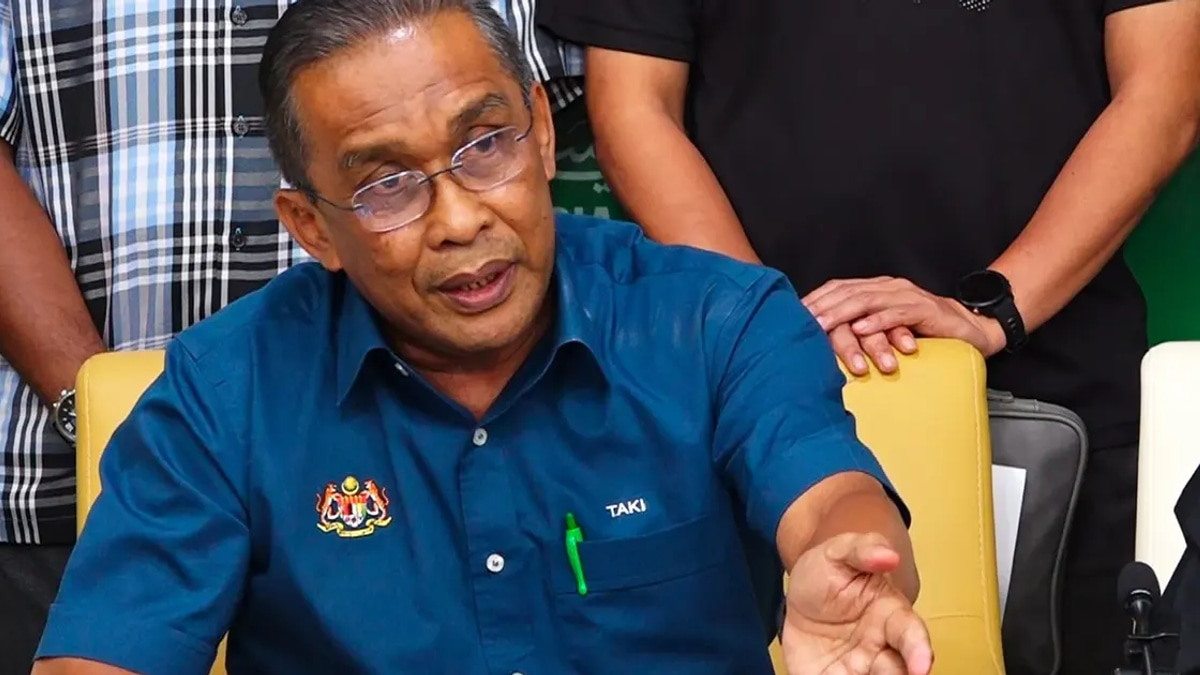
Youth and Sports Minister Dr Mohammed Taufiq Johari has pledged that the government is taking deliberate steps to resolve persistent issues affecting the national track cycling programme, particularly concerns articulated by technical director John Beasley. Speaking in Kuala Lumpur on June 16, Taufiq emphasised that any unresolved tensions within the cycling structure will not be permitted to undermine the sport's trajectory or compromise athlete development at critical moments in the competitive calendar.
Beasley has become an increasingly vocal figure regarding systemic obstacles impeding Malaysia's cycling ambitions. His grievances encompass allegations of political meddling in technical matters, excessive bureaucratic procedures that slow decision-making, and inadequate support mechanisms for developing talent at grassroots level. Rather than dismissing these complaints, the Youth and Sports Ministry has acknowledged their legitimacy and incorporated them into a broader review of how the sport is administered and resourced nationally.
To facilitate dialogue between conflicting parties, the National Sports Council convened a comprehensive town hall gathering on June 8 that brought together representatives from the Malaysian National Cycling Federation, state-based cycling associations, coaching staff, and Beasley himself. This multi-stakeholder forum was structured as an opportunity to identify common ground and develop practical solutions addressing the core issues that have generated friction within cycling's administrative hierarchy. The discussions concentrated heavily on athlete selection processes and mechanisms for releasing competitors from state control to participate in national-level championships—a recurring friction point that has tangibly affected competition preparation.
Reports had circulated suggesting that Beasley, dissatisfied with the conditions under which he operates, intended to terminate his appointment before the completion of his contract, which remains valid until January 31 next year. This prospect carries significant implications given that Beasley holds responsibility for technical direction during major international campaigns scheduled for the remainder of 2024, including the Commonwealth Games and Asian Games. Any abrupt departure at this juncture would create substantial disruption to preparation timelines and potentially weaken Malaysia's competitive standing in these high-profile competitions.
Taufiq provided reassurance that Beasley has committed to maintaining his professional responsibilities throughout the completion of this year's major international events. This commitment suggests that despite underlying frustrations, there remains sufficient operational stability for cycling programmes to proceed without derailment. The technical director has apparently recognised that his continued engagement through these competitions serves the broader interests of Malaysian athletes who depend on his expertise and experience for performance optimisation.
Looking beyond immediate crisis management, the ministry indicated that further formal discussions between Beasley, federation leadership, and government representatives would occur in the near future. These additional meetings represent an attempt to move beyond temporary accommodation towards enduring structural solutions that address root causes of discontent rather than merely managing symptoms. The ministry's approach reflects recognition that cycling's governance architecture requires fundamental reform if it is to function effectively and attract international-calibre technical expertise.
Taufiq's public statements emphasise the government's commitment to establishing inclusive consultation mechanisms that prevent unilateral decision-making and ensure that all interested parties—federations, associations, coaches, and administrators—participate meaningfully in determining the sport's direction. This consultative philosophy contrasts with more top-down approaches historically employed in Malaysian sports governance and suggests institutional learning regarding best practices for managing complex technical and administrative environments.
The underlying stakes extend beyond the immediate concerns of one technical director or single sport. Malaysian cycling has invested considerably in developing international competitiveness, and the programme's trajectory depends substantially on retaining qualified expertise and establishing governance structures that experienced professionals view as credible and functional. The loss of figures like Beasley would constitute a setback reflecting broader institutional weaknesses that Malaysia's sports sector must address if it aims to compete effectively at regional and global levels.
The emphasis on protecting athlete preparation during this resolution process reflects appropriate prioritisation of competitive interests. Athletes preparing for Commonwealth and Asian Games represent years of accumulated training investment, and their performance outcomes depend on stable technical direction and adequate resources during critical preparation phases. Any institutional turmoil that disrupts these final preparation windows would impose real costs on individual competitors and national medal projections.
Moving forward, the resolution of Beasley's concerns will likely establish precedent for how Malaysia's sports administration addresses complaints from international technical experts. The sport sector faces increasing pressure to demonstrate that it can operate in ways that satisfy both local political requirements and international professional standards. Cycling's current difficulties, while specific to that discipline, illuminate broader challenges facing Malaysian sports governance as it attempts to balance nationalist political objectives with the pragmatic demands of competitive sport delivery.