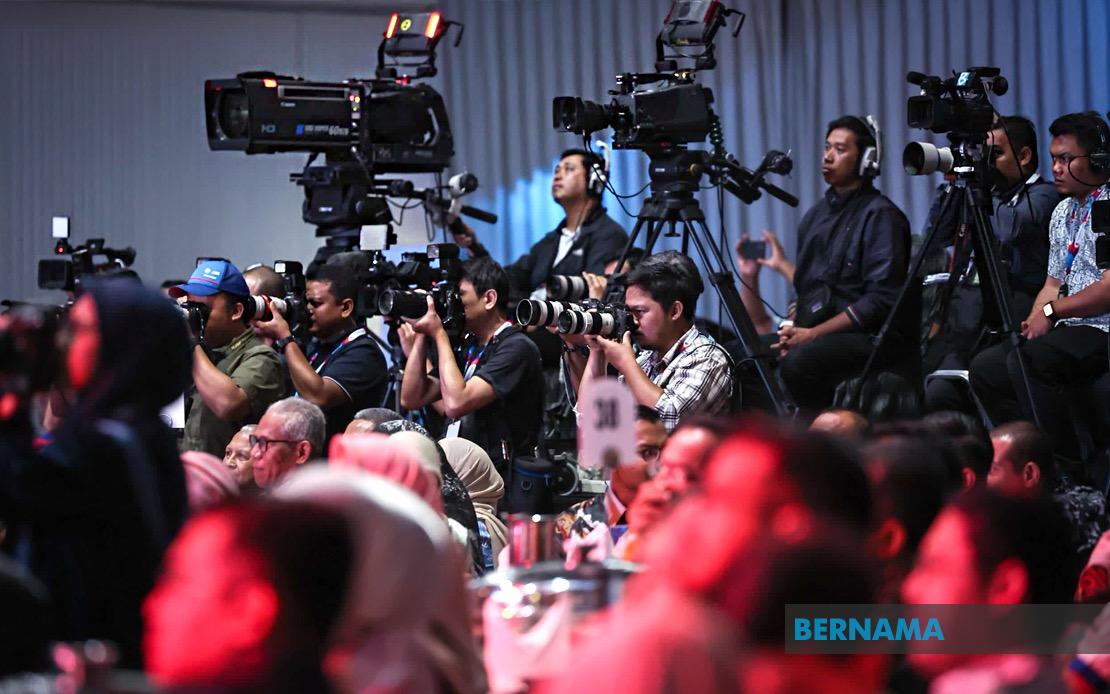
The Malaysian Media Council has thrown its support behind Prime Minister Datuk Seri Anwar Ibrahim's recent statement establishing a formal procedure for handling complaints against journalists from recognised media organisations. Under this approach, grievances would be channelled through MMM's independent review process before any additional action by authorities could be initiated. The move represents a significant institutional acknowledgment of media self-regulation as a cornerstone of Malaysia's press framework.
MMM characterised the Prime Minister's position as a meaningful reaffirmation of independent media self-regulation principles and a commitment to balancing press freedom with professional accountability. By directing complaints through the Council first, the government has effectively positioned MMM as a buffer between public concerns and potential enforcement mechanisms, creating space for contextualised assessment of journalism practices. This procedural shift carries implications beyond formal protocol, signalling political support for professional journalistic standards over reflexive complaint-driven actions.
The Council framed its mandate as distinct from judicial or law enforcement functions. Rather than replacing courts or police authority, MMM operates as a professional arbiter specifically equipped to evaluate disputes rooted in journalistic practice, media ethics standards, reporting accuracy, and the right to reply. This specialised jurisdiction reflects recognition that journalism involves complex considerations about democratic function, editorial discretion, and public interest that generic complaint procedures may not adequately address. The distinction matters because it prevents routine disputes from automatically escalating into investigative or legal proceedings.
Central to MMM's position is the principle that journalists remain subject to Malaysian law while simultaneously being protected from arbitrary enforcement triggered by unfounded complaints. The Council emphasises that simply lodging a complaint should not automatically initiate investigations or punitive measures. Instead, complaints undergo preliminary assessment considering journalistic context, media's democratic role, and professional responsibilities to the public. This calibrated approach aims to prevent weaponisation of complaint mechanisms against legitimate news gathering and editorial judgment.
The complaint assessment pathway itself incorporates multiple gatekeeping stages. Initially, MMM's Secretariat determines whether complaints fall within the Council's jurisdiction and genuinely involve journalistic practice rather than other matters. Where appropriate, complaints are referred to the relevant media organisation for response, clarification, or corrective action. Only if preliminary resolution fails does a complaint advance to formal assessment under MMM's Code of Conduct and established journalism principles. This graduated process allows most issues to resolve through direct media engagement before escalating to formal adjudication.
MMM's framework explicitly addresses accountability concerns, rejecting the notion that self-regulation shields media from responsibility. Instead, the Council positions its complaints mechanism as ensuring accountability operates through proper, independent, transparent, and balanced processes rather than through arbitrary pressure or public intimidation. The distinction reflects sophisticated understanding that media freedom and media responsibility are complementary principles requiring simultaneous cultivation, not competing values demanding zero-sum choices.
The Prime Minister's statement carried particular significance given Malaysia's standing in international press freedom assessments. MMM noted that Anwar's remarks occurred specifically within context of concerns about the nation's World Press Freedom Index ranking. This connection underscores how formal procedures and international standing interrelate; countries demonstrating structured, professional approaches to media accountability often score higher on global freedom metrics than those employing ad-hoc enforcement or political pressure mechanisms.
MMM's appeal to stakeholders extends across government agencies, politicians, public institutions, civil society organisations, and the general public. The Council called for these entities to utilise its complaints mechanism rather than pursuing alternative avenues of confrontation. This appeal simultaneously requests voluntary institutional compliance and promotes cultural change away from public pressure campaigns, threats, harassment, or punitive measures. By positioning MMM's process as the preferred resolution pathway, the Council attempts to establish professional norms governing media disputes.
The emphasis on institutional culture carries particular weight for Southeast Asia, where media landscapes often experience tension between state authority and press independence. Malaysia's establishment of formalised self-regulatory procedures, with apparent government acceptance, distinguishes it from environments where complaints typically trigger state-directed enforcement. The approach reflects incremental institutional development recognising that sustainable press systems require both freedom guarantees and accountability mechanisms accepted as legitimate by relevant parties.
MMM's commitment to collaborate with government, Parliament, media organisations, civil society, and the public signals an integrated governance approach to media matters. Rather than positioning the Council as adversary to state authority, MMM seeks partnership enabling consistent, professional implementation of the new complaint protocol. This cooperation model suggests the government has moved from viewing media regulation primarily through enforcement lenses toward embracing structured professional processes as more effective and internationally credible approaches.
The framework addresses practical concerns about journalists facing multiple complaint venues simultaneously. By establishing MMM as the primary portal for complaints concerning journalistic practice, the system consolidates review authority and prevents fragmented assessments potentially reaching contradictory conclusions. This consolidation protects both journalists and the public by ensuring disputes receive unified, expertise-informed evaluation rather than parallel proceedings through courts, police, and regulatory bodies applying different standards.
For Malaysian media practitioners, the protocol provides procedural clarity and institutional protection while maintaining professional accountability expectations. Journalists can reference established complaint procedures when addressing concerns rather than responding to undefined threats or public pressure. This transparency creates predictability benefiting professional practice while the Council's professional expertise ensures assessments reflect journalism-specific considerations rather than generic complaint-handling templates.
Looking forward, the architecture's success depends substantially on consistent implementation and stakeholder acceptance. Should government agencies circumvent MMM processes or media organisations resist Council determinations, the framework's protective function deteriorates. Conversely, genuine institutional adherence could establish Malaysia as a regional exemplar of functional media self-regulation compatible with government relationships and public accountability expectations, potentially influencing press governance discussions across Southeast Asia.

