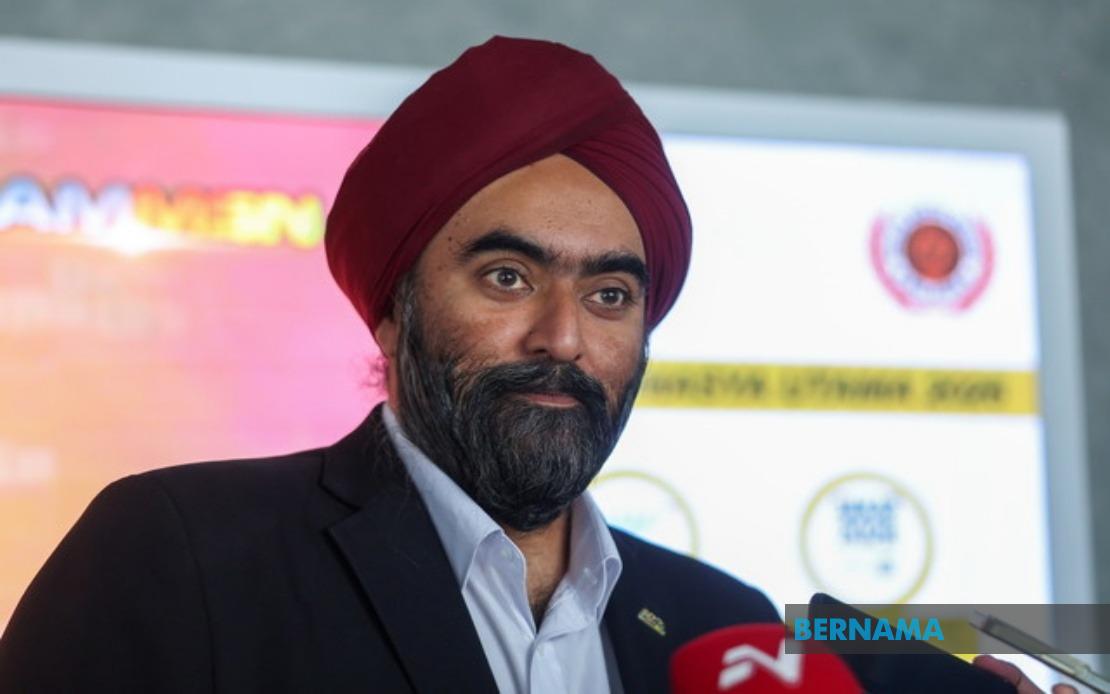
The Malaysian National Cycling Federation (MNCF) is pressing for an urgent face-to-face meeting with Yayasan Sime Darby (YSD) leadership to break the impasse that forced the postponement of the YSD Track Cycling and BMX Series 2026. MNCF president Datuk Amarjit Singh Gill emphasised during the launch of Le Tour de Langkawi 2026 in Putrajaya on June 25 that immediate discussions are essential to restore the talent development programme and safeguard the future trajectory of Malaysian cycling.
The federation's push for dialogue reflects growing concern about the impact that extended disruption could have on grassroots cycling development. The YSD Track Cycling and BMX Series serves as a critical pathway for young riders to develop competitive skills and gain exposure within a structured competitive environment. A prolonged suspension threatens to disrupt the progression of emerging talent and potentially weaken Malaysia's pipeline of cyclists for national and international representation.
Datuk Amarjit characterised the underlying dispute as fundamentally resolvable, arguing that the obstacles, whilst real, do not constitute an insurmountable challenge requiring protracted negotiation. He attributed the breakdown to what he termed technical issues on the MNCF's side, according to YSD's announcement, but stressed that collaborative problem-solving between properly empowered decision-makers can achieve a breakthrough. The federation chief demonstrated willingness to acknowledge YSD's framing of the disagreement while simultaneously signalling openness to constructive engagement.
The MNCF president articulated a philosophy centred on mutual respect and recognition of equal partnership standing between the federation and the foundation. This rhetorical emphasis on parity and recognition suggests underlying tensions regarding operational authority, resource allocation, or governance structures within the partnership framework. By repeatedly invoking the language of strategic partnership and mutual regard, Datuk Amarjit appeared to signal that the federation seeks a reset on the relationship's foundational terms, not merely tactical accommodation of YSD's demands.
YSD's decision to postpone the race series came after identifying several technical difficulties linked to MNCF's administration or implementation of the programme. The foundation did not publicly elaborate on the specific nature of these technical concerns, leaving scope for speculation about whether issues involved financial management, compliance with established protocols, scheduling coordination, or institutional capacity. The vagueness surrounding the actual point of contention underscores the value of structured dialogue to clarify positions and identify compromise positions.
Datuk Amarjit's public comments suggest the MNCF views the disagreement as containing no inherent complexity that warrants sustained disruption to a nationally important development programme. His insistence that resolution depends primarily on cultivating mutual respect and acknowledging respective roles implies that personality, communication style, or organisational culture may have contributed to the deterioration. This assessment carries particular relevance in Malaysian corporate and institutional contexts, where relationship-building and face-saving considerations often prove as consequential as technical problem-solving.
The federation has signalled unconditional availability for engagement, pledging readiness to convene at YSD's convenience to discuss resolution pathways. This positioning aims to shift any potential blame for continued postponement away from the MNCF and onto YSD, should the foundation delay scheduling substantive talks. By demonstrating flexibility regarding timing and venue, the federation creates a soft pressure dynamic that encourages YSD management to reciprocate with equal commitment to dialogue.
Datuk Amarjit's public acknowledgment of YSD's substantial contribution to Malaysian cycling development serves multiple functions. It preserves the relationship by validating the foundation's institutional importance while creating psychological space for both parties to compromise without experiencing reputational loss. The federation simultaneously reinforces its own commitment to the partnership's continuation, indicating that the disagreement, however serious, does not reflect a fundamental rejection of YSD's role or philosophy.
For Malaysian cycling more broadly, the postponement carries implications extending beyond the immediate dispute. Talent development cycles operate on fixed timelines; interruptions at critical junctures can disrupt athlete preparation, competitive scheduling, and qualification pathways for regional and international events. The YSD series occupies an important intermediary tier between club-level competition and elite national representation, making sustained operational continuity essential for maintaining competitive depth across the sport.
The resolution of this dispute will likely establish precedent for how the MNCF and YSD handle future disagreements, making the manner of resolution as significant as the substantive outcome. Successful navigation through this crisis via respectful dialogue and good-faith problem-solving could strengthen the partnership's resilience and establish collaborative protocols that prevent similar escalations. Conversely, protracted standoff risks damaging institutional trust and potentially prompting either party to reconsider the strategic value of continued association.
Datuk Amarjit's emphasis on involving top-level executives from both organisations signals recognition that the dispute may involve governance questions or strategic direction questions that frontline staff cannot resolve unilaterally. Escalating to board-level or executive council engagement carries some risk—it elevates the dispute's visibility and political stakes—but also creates conditions for authoritative decision-making and comprehensive problem-solving that cannot occur at lower organisational levels. Success depends on both YSD and MNCF leadership demonstrating genuine appetite for constructive resolution rather than defensive position-entrenchment.

