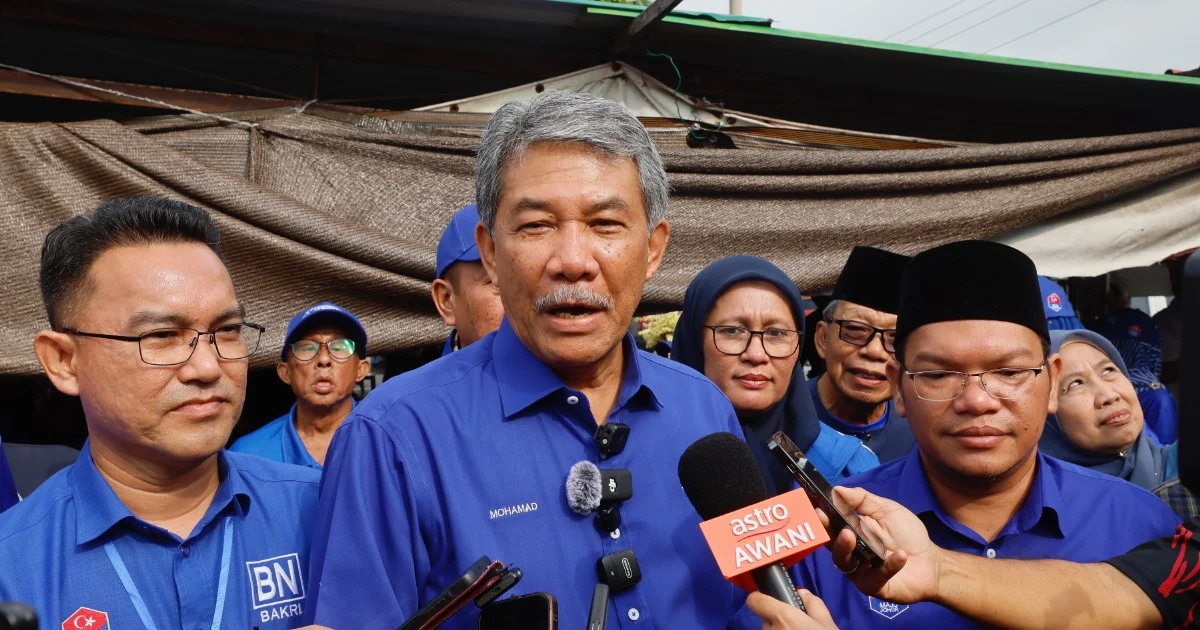
Datuk Seri Mohamad Hasan, the deputy chairman of Barisan Nasional, has issued a pointed challenge to DAP leader Nga Kor Ming, calling on him to step down immediately in response to remarks the opposition politician made concerning the Johor election. The confrontation, which took place in Muar, represents the latest flashpoint in the ongoing political tensions between the ruling coalition and the Democratic Action Party over electoral matters in the southern state.
The dispute centres on comments attributed to Nga Kor Ming regarding the Johor state elections, which have evidently touched a nerve within BN's leadership. Mohamad Hasan's sharp rebuttal underscores the sensitivity surrounding electoral outcomes and rhetoric in Johor, a historically significant state for Umno and a crucial component of BN's political base. The state remains strategically important as both BN and the broader opposition seek to consolidate support in what is widely viewed as competitive political terrain.
Nga Kor Ming, who holds significant influence within DAP's leadership structure, has previously been vocal on matters related to state governance and electoral processes. His comments on the Johor election appear to have triggered a defensive response from BN's upper echelon, suggesting that the party views his remarks as either misleading or potentially damaging to its political standing. The fact that a senior coalition figure chose to respond publicly indicates the gravity with which BN regards such statements from opposition leaders.
The timing of this exchange carries particular weight given Malaysia's ongoing political realignment. Since the 2022 general election, both BN and DAP have competed fiercely to define narratives around governance, electoral integrity, and state development. Johor, as one of Malaysia's largest and most economically significant states, represents a microcosm of this broader contest. Control or influence over the state has implications extending far beyond Johor itself, affecting the balance of power in parliament and the broader political landscape.
Moremohamad Hasan's call for Nga's resignation reflects a broader pattern of escalating rhetoric between coalition and opposition figures. Rather than engaging substantively with the DAP leader's specific claims, the BN deputy chairman opted for a more confrontational approach, effectively challenging his opponent's credibility and fitness for office. This tactic suggests an attempt to redirect the conversation away from the underlying issues surrounding the Johor election towards questions of personal accountability and political legitimacy.
For Malaysian observers, such exchanges highlight the increasingly polarized nature of national politics and the difficulty in maintaining civil discourse around electoral matters. The willingness of senior figures from both camps to call for opposition members' resignation, or to dismiss their statements outright, contributes to an atmosphere in which substantive policy debate becomes secondary to partisan positioning. This dynamic has implications for how voters perceive competing political visions and their confidence in democratic institutions.
The DAP, as a component party in some state governments and as a significant opposition force, has invested considerable energy in building credibility around economic management and administrative competence. Attacks on party leaders like Nga Kor Ming, therefore, represent more than personal confrontations—they serve as attempts to undermine institutional confidence in DAP-led governance models. Conversely, BN continues to lean heavily on arguments about stability, experience, and established networks, making defence of its electoral performance and state administration a critical priority.
From a Malaysian perspective, these political tensions unfold against a backdrop of economic challenges, inflation concerns, and ongoing questions about the quality of governance across federal and state levels. Citizens increasingly expect their political leaders to focus on addressing practical problems rather than engaging in extended displays of partisan antagonism. The Mohamad Hasan-Nga Kor Ming exchange, therefore, risks being viewed by the electorate as symptomatic of a political class more preoccupied with internal struggles than with tangible improvements in living standards and public services.
The position of Johor itself merits closer examination. As the state that hosts Port Klang and significant manufacturing and tourism sectors, economic performance in Johor directly affects broader Malaysian prosperity. Both BN and opposition parties recognize that demonstrating competent governance in the state is essential to their broader electoral prospects. This explains why disputes over electoral outcomes and political performance in Johor generate such sharp responses from senior national figures.
Looking ahead, the exchange between Mohamad Hasan and Nga Kor Ming is likely to amplify existing political divisions rather than resolve substantive disagreements about the Johor election. The call for resignation, whether taken seriously or viewed as rhetorical posturing, sets a tone for increasingly acrimonious political engagement heading into the next election cycle. For voters and observers across Malaysia and Southeast Asia watching Malaysian political developments, such moments underscore the challenges inherent in maintaining constructive dialogue within a competitive democratic framework.

