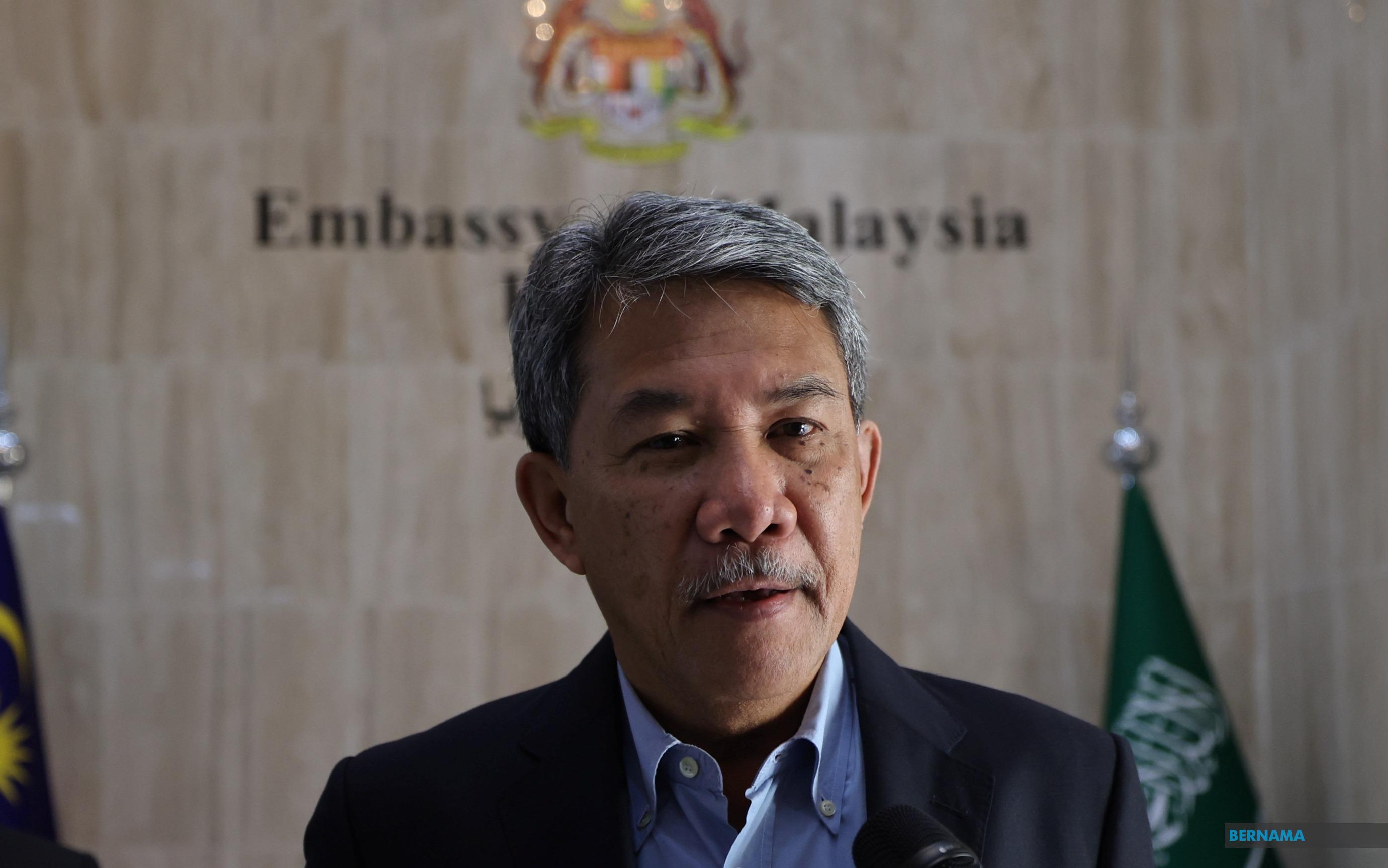
Malaysia's Foreign Minister Datuk Seri Mohamad Hasan is embarking on a three-day working visit to Brunei, beginning today and concluding on August 22, as the two nations reaffirm their commitment to strengthening bilateral relations through high-level engagements. The visit, as announced by the Ministry of Foreign Affairs, centres on two significant diplomatic forums designed to deepen cooperation and resolve outstanding matters between Kuala Lumpur and Bandar Seri Begawan.
The cornerstone of Mohamad Hasan's mission involves co-chairing the 27th Malaysia-Brunei Exchange of Letters Implementation Meeting scheduled for August 21, working alongside Brunei's Second Minister of Foreign Affairs Datuk Seri Setia Erywan Mohd Yusof. This annual mechanism has evolved into a crucial platform for both nations to systematically address bilateral concerns and chart new avenues of collaboration. The Exchange of Letters framework, spanning multiple decades, reflects the maturity and institutionalisation of Malaysia-Brunei relations, allowing officials to move beyond ceremonial interactions toward substantive policy discussions and problem-solving.
Following the EOL meeting, the two countries will convene for the 27th Malaysia-Brunei Annual Leaders' Consultation on August 22, elevating discussions to the highest political level. The ALC serves as the capstone of bilateral engagement, enabling Malaysia and Brunei's top leadership to review progress achieved through lower-level mechanisms and provide strategic direction for the relationship going forward. This cascading structure of diplomatic engagement—from ministerial working groups to leaders' consultations—demonstrates a sophisticated approach to managing bilateral affairs.
Among the principal matters requiring attention during these meetings are longstanding boundary disputes affecting both terrestrial and maritime domains. The demarcation of land and maritime boundaries remains one of the most sensitive issues in Malaysia-Brunei relations, with economic and strategic implications extending beyond the immediate bilateral context. Resolution or meaningful progress on these issues would have ripple effects across the broader Association of Southeast Asian Nations region, potentially serving as a model for how established partners can constructively address territorial concerns.
Economic cooperation between Malaysia and Brunei has demonstrated resilience despite regional uncertainties. Trade figures underscore the significance of their commercial relationship, with bilateral commerce reaching RM5.86 billion in 2025, equivalent to approximately USD 1.37 billion. The first half of 2026 showed continued trading activity, generating RM2.38 billion in bilateral transactions valued at USD 0.6 billion. These figures, while modest in absolute terms, carry particular weight for Brunei as a smaller economy and reflect the interdependence embedded in their economic relationship through investments, labour flows, and energy considerations.
The thrust toward strengthening economic collaboration takes on heightened importance given regional economic headwinds and the need for stability in Southeast Asia. Malaysia and Brunei share complementary economic structures and geographic proximity, providing natural foundations for expanded trade and investment. The EOL meetings will likely explore concrete mechanisms to unlock additional bilateral trade potential, whether through facilitating cross-border investments, harmonising standards and regulations, or developing new sectors of cooperation.
From Malaysia's perspective, the visit underscores the government's commitment to maintaining stable and productive relations with its immediate neighbours. For Brunei, which maintains a deliberate foreign policy balancing multiple regional powers, sustained engagement with Malaysia offers reassurance and institutional continuity. Both nations remain invested in the success of ASEAN, and their bilateral relationship serves as a foundation for effective regional cooperation.
The timing of these high-level engagements reflects a regular diplomatic rhythm established between the two countries, ensuring that bilateral matters receive consistent attention from the highest echelons of government. This consistency is particularly important when addressing complex issues like boundary demarcation, which require sustained political will and technical expertise working in tandem. The presence of both foreign ministers and anticipated attendance by senior leaders demonstrates the priority both governments assign to the relationship.
As Malaysia and Brunei navigate contemporary regional challenges—ranging from maritime security concerns to economic integration initiatives—their bilateral mechanisms serve as anchors for stable relations. The three-day visit encompasses substantive working sessions where technical experts and senior officials will prepare recommendations for political leaders, followed by high-level consultations where strategic decisions can be made. This comprehensive approach to bilateral engagement offers possibilities for incremental progress on difficult issues while maintaining broader relationship stability.

