Foreign Minister Datuk Seri Mohamad Hasan is set to represent Malaysia at an extraordinary gathering of the Organisation of Islamic Cooperation's Council of Foreign Ministers in Jeddah, where discussions on the Palestinian situation will dominate proceedings. The one-day session reflects the urgency with which the 57-member bloc views recent developments in the Middle East, bringing together diplomatic leadership from across the Muslim world to forge consensus on a matter that remains central to Islamic solidarity and geopolitical stability in the region.
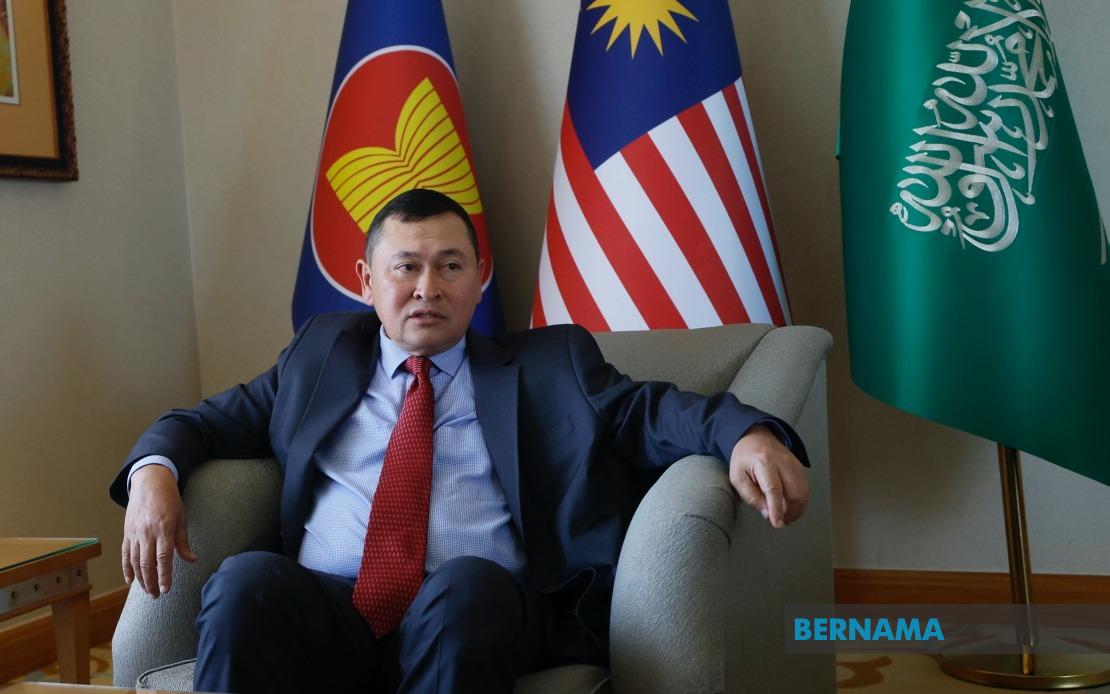
According to Malaysian Ambassador to Saudi Arabia Datuk Syed Bakri Syed Abdul Rahman, who is concurrently Malaysia's Permanent Representative to the OIC, the meeting represents a continuation of established diplomatic efforts to align member states around core principles regarding Palestine. Rather than introducing entirely new positions, the gathering allows nations to reaffirm shared commitments and identify concrete mechanisms through which collective voice can translate into tangible outcomes. This multilayered diplomacy has become increasingly important as the international system fragments along competing geopolitical lines.
During the proceedings, Malaysia will present a comprehensive National Statement that articulates the country's enduring stance on Palestinian rights and sovereignty. The statement will emphasise Malaysia's backing for the Palestinian people's legitimate aspirations to establish an independent, sovereign state within borders established before the 1967 Six-Day War—a position grounded in international law and UN resolutions that Malaysia has consistently championed. This framing carries particular weight coming from a Southeast Asian nation that, while geographically distant, has maintained principled engagement with Middle Eastern affairs through multilateral channels.
The Foreign Minister will specifically address Israel's military operations and their humanitarian consequences, particularly focusing on conditions in Gaza where civilian suffering has reached unprecedented levels. The statement will also tackle the expansion of Israeli settlements in occupied territories, which under international law constitute violations of the Fourth Geneva Convention. By placing these specific grievances within a formal OIC platform, Malaysia signals its commitment to accountability mechanisms and resistance to normalisation of actions that contravene established legal frameworks.
Malaysia's participation carries symbolic and practical importance for how the Muslim-majority nation positions itself within global deliberations on Middle Eastern conflicts. For Malaysian policymakers, engagement at this level demonstrates consistent adherence to principles established during the country's independence struggle and enshrined in its foreign policy doctrine. This consistency matters to domestic audiences and reinforces Malaysia's credibility within Islamic forums, where principled stands on Palestinian liberation retain moral and political resonance across diverse Muslim societies.
Beyond formal statements, Mohamad will pursue bilateral consultations with counterparts from multiple nations attending the gathering. These side meetings offer opportunities to advance Malaysia's broader diplomatic agenda, exploring pathways for enhanced cooperation in commerce, investment, and technology sectors. The OIC platform thus serves dual purposes: reaffirming collective positions on political and security matters while simultaneously leveraging multilateral settings to strengthen bilateral relationships that generate mutual economic benefits. This pragmatic diplomacy reflects how modern statecraft operates across multiple registers simultaneously.
Syed Bakri emphasised Malaysia's commitment to supporting Palestinian communities affected by ongoing conflict, particularly through ensuring humanitarian assistance reaches vulnerable populations. This operational dimension extends beyond rhetorical support, reflecting Malaysia's willingness to channel resources and diplomatic capital toward alleviating immediate suffering. The Ambassador's remarks underscore how Malaysia's Palestine engagement encompasses advocacy, humanitarian action, and institutional coordination, presenting a multifaceted approach grounded in both Islamic principles and humanitarian obligation.
The meeting agenda encompasses broader institutional matters beyond Palestine, notably including election of the OIC secretary-general. This procedural element matters because leadership positions within multilateral organisations shape how collective positions are articulated and pursued globally. Malaysia's voice in such elections carries weight proportionate to its diplomatic standing and contributions to the bloc, factors that accumulate over sustained engagement and principled consistency on defining issues.
The gathering will likely produce formal resolutions on Palestine and Al-Quds Al-Sharif that collectively condemn Israeli aggression and call for coordinated member-state action. Such resolutions create diplomatic records and establish frameworks through which individual nations can justify domestic and international policies. For Malaysia, alignment with OIC consensus strengthens its hand in regional forums like ASEAN and provides cover for positions that some Western governments might otherwise view as unduly confrontational.
For Southeast Asian observers, Malaysia's role at this OIC meeting demonstrates how the region's largest Muslim-majority nations maintain active engagement with Islamic institutional architecture while pursuing independent foreign policies. This balancing act proves increasingly complex as global powers seek to compartmentalise religious, cultural, and strategic spheres. Malaysia's diplomacy illustrates how nations navigate competing pressures by participating authentically in multilateral forums while maintaining pragmatic bilateral relationships across ideological and religious divides.
The meeting also signals broader regional dynamics affecting Asia. As major powers pivot toward Indo-Pacific competition, Middle Eastern conflicts risk becoming proxy battlegrounds where external powers amplify local tensions. Malaysia's participation in OIC coordination helps ensure that Southeast Asian and broader Islamic perspectives shape international responses rather than allowing Middle Eastern conflicts to be reduced to great-power competition or binary narratives that obscure complexity.
Looking forward, Malaysia's diplomatic engagement on Palestine through the OIC platform will likely continue shaping how the nation's foreign service approaches Middle Eastern affairs. The consistency of Malaysia's positions across multiple administrations reflects deep institutional commitments rather than transient political preferences. This stability provides diplomatic partners—whether in the Middle East, Europe, or beyond—with reliable points of reference for engagement, even when specific policies diverge from Malaysian preferences.

