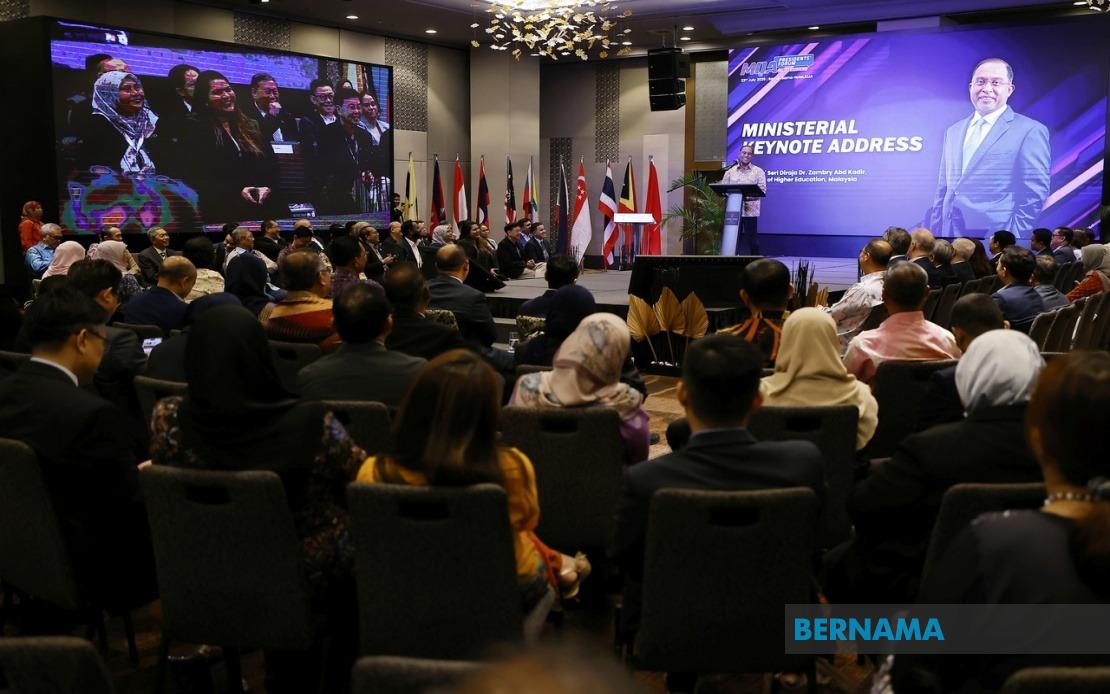
The Higher Education Ministry will implement systematic repairs and upgrades to hostel facilities across the polytechnic system to address accommodation shortages stemming from record-breaking student intake levels, according to Higher Education Minister Datuk Seri Dr Zambry Abd Kadir. Speaking at the 2026 Malaysian Qualifications Agency Presidents' Forum in Sepang, Zambry outlined a comprehensive approach to managing housing constraints triggered by a dramatic surge in applications to technical institutions nationwide.
The accommodation crisis reflects an unexpected success story within Malaysia's vocational education system. The polytechnic sector recorded more than 125 per cent achievement in applications this year, translating into 30,488 newly registered students during the first session of the 2026/2027 intake on June 22. This extraordinary growth represents a watershed moment for technical and vocational education and training (TVET), marking the first time such high application numbers have materialised following sustained government promotion of these pathways among Sijil Pelajaran Malaysia (SPM) holders.
The government's strategic push to redirect more secondary school graduates into technical fields has been deliberately cultivated through policy initiatives and enhanced marketing of TVET opportunities. Zambry characterised the current housing shortfall as a positive problem—a consequence of successfully positioning polytechnics and skills institutions as attractive educational alternatives to traditional university routes. Rather than viewing the accommodation crunch as a policy failure, the minister framed it as evidence that government messaging about technical education has resonated with Malaysian youth and their families.
However, the rapid expansion has exposed infrastructural vulnerabilities within the polytechnic estate. Several institutions, particularly those with ageing hostel buildings, now face maintenance backlogs and capacity constraints. Zambry acknowledged that certain facilities have deteriorated to levels requiring urgent intervention, with some hostels identified as being in poor structural and hygienic condition. The concentration of accommodation problems at older polytechnic campuses suggests that facilities constructed decades ago were never designed to accommodate current enrolment scales.
The ministry has commenced a systematic assessment process to identify which hostels require priority attention. Zambry disclosed that MOHE has already submitted formal requests to the government seeking approval and budgetary allocations for repair works at polytechnics deemed most in need of maintenance. This multi-stage approach—inventory assessment followed by funding applications—indicates the scale of intervention required across the polytechnic network. The timeline for these repairs remains subject to government resource allocation and approval processes.
Beyond infrastructure, the accommodation surge has created operational complexities in student placement and administration. Zambry directed Dr Shamsuri Abdullah, director-general of the Polytechnic and Community College Education Department, to implement immediate measures addressing both housing allocation and related logistics. This top-level instruction suggests that accommodation management has become a critical operational priority, requiring coordination across multiple polytechnic campuses to distribute the influx equitably and efficiently.
The polytechnic accommodation challenge reflects broader pressures reshaping Malaysia's education landscape. As the country transitions toward a knowledge and skills-driven economy, demand for technical qualifications has intensified among school leavers and employers alike. The 125 per cent application achievement indicates that messaging has successfully repositioned TVET from being perceived as a second-tier option to becoming a competitive pathway valued by students and recognised by industry. This perception shift carries significant implications for equity, as it expands educational access beyond the traditional university-focused trajectory.
For the Southeast Asian region, Malaysia's experience demonstrates how strategic policy promotion of vocational education can rapidly shift student preferences and career aspirations. The polytechnic surge may serve as a template for neighbouring countries pursuing similar TVET expansion, while also illustrating the infrastructure implications of success. Policymakers across the region face similar challenges in scaling technical education provision—securing adequate facilities, recruiting trained instructors, and modernising curricula to meet industry standards.
The government's commitment to addressing the housing crisis through repairs and maintenance signifies recognition that infrastructure must keep pace with enrolment growth. Without adequate hostel facilities, even well-designed curriculum and strong institutional management cannot deliver satisfactory student experiences. Accommodation quality directly influences retention, academic performance, and overall satisfaction among the predominantly young student population attending polytechnics. Poor housing conditions can undermine the positive momentum generated by increased applications and enrolments.
Looking ahead, the polytechnic sector will require sustained investment beyond emergency repairs. As technical education continues attracting larger cohorts of students, planners must consider whether existing infrastructure can support projected growth or whether new facilities and expanded capacity will prove necessary. The current accommodation bottleneck may represent a temporary phase as the system adjusts to elevated enrolment levels, or it could signal structural capacity limitations requiring major capital investment.
Zambry's statement reflects growing ministerial attention to TVET expansion as a cornerstone of Malaysia's human capital development strategy. By directly addressing the accommodation challenge and signalling government support for infrastructure improvements, the ministry aims to sustain momentum in polytechnic growth while ensuring students receive acceptable living conditions. The resolution of housing constraints will determine whether the polytechnic sector can consolidate its recent gains and continue attracting applications, or whether deteriorating accommodation discourages future applicants from pursuing technical qualifications.

