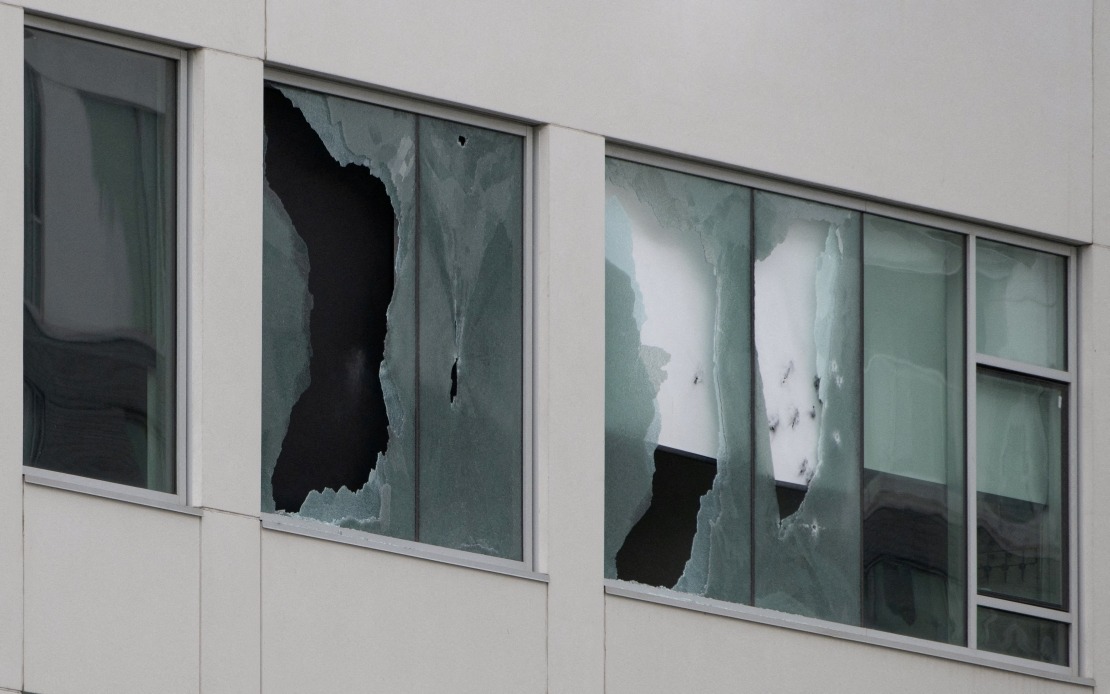
A violent incident unfolded in Montreal on Monday when gunfire erupted in the Côte-des-Neiges neighbourhood, resulting in three fatalities: a law enforcement officer, a civilian resident, and the suspected shooter. The tragedy marks a sobering reminder of the risks faced by emergency responders and underscores growing concerns about isolated gun violence in Canadian urban centres, particularly as similar incidents continue across North America.
The Montreal Police Service confirmed the officer's death through a statement posted on social media platform X, expressing profound grief at losing one of their own while performing official duties. The announcement was relatively sparse in initial details, with officials indicating that further information would be released as the investigation progressed. Beyond the fatal casualties, the incident also left two others wounded, though a police spokesperson later clarified that the injured officer was no longer in critical condition and would recover.
Responding officers came under fire when they arrived at the scene, according to Montreal Police Chief Fady Dagher, who addressed media at a press conference. The chief indicated that officers engaged the suspect, who was subsequently described as having been "neutralised" by police action. The response underscores the dangerous circumstances officers encountered and the split-second decisions required when confronting an active threat in a residential area.
The emergency unfolded across the Côte-des-Neiges neighbourhood as authorities established a significant perimeter and instructed residents to remain indoors with doors locked. The warning of an "armed and dangerous suspect" prompted public alerts urging people to avoid the area entirely until the situation was contained. This precautionary approach, while creating considerable disruption to the community, reflected the genuine uncertainty investigators faced during the initial hours of the incident.
Detectives conducting the subsequent investigation determined that no terrorist ideology motivated the attack and identified no indication of additional suspects involved in the shooting. The focus shifted to understanding the suspect's motivations and circumstances that led to the violent outburst. The fact that authorities could quickly rule out terrorism-related motives helped narrow investigative avenues, though it raised questions about the personal factors that precipitated such violence.
According to media reports circulating after the incident, investigators discovered material suggesting the suspected gunman may have been influenced by incel ideology, an online movement characterised by misogynistic rhetoric and anti-feminist sentiment. Some reports indicated the individual may have authored a manifesto containing language consistent with this worldview. However, security authorities have not officially confirmed these claims, and investigators continue examining all recovered materials to establish a comprehensive understanding of the suspect's state of mind and potential grievances.
The incel movement has drawn considerable attention from law enforcement and researchers across North America in recent years, with several deadly incidents attributed to individuals espousing these views. The movement operates primarily through online forums where members—predominantly young men—share grievances against women and society at large, often promoting violent rhetoric. Canadian authorities have been particularly vigilant regarding this threat given previous tragic incidents, making any potential link to such ideology a significant investigative focus.
The emergency alert issued to the public was eventually lifted once authorities confirmed the suspect had been neutralised and no further immediate danger existed. Despite this conclusion, the investigation remained active as detectives worked to reconstruct the sequence of events leading to the shooting and gathered evidence for any potential court proceedings, though the suspect's death would likely preclude traditional prosecution.
This incident carries particular resonance across Canada and resonates with concerns throughout the broader North American context regarding gun violence, mental health crises, and the challenge of identifying individuals at risk of perpetrating mass harm. For Malaysia and Southeast Asia, the event reinforces the ongoing discussions about balancing public safety with civil liberties, and demonstrates how online radicalisation—whether through incel forums or other extremist communities—transcends geographical boundaries and threatens communities across diverse countries. The Montreal shooting illustrates vulnerabilities in even well-resourced, stable societies, prompting reflection on how nations with varying regulatory frameworks approach prevention, intervention, and community protection.