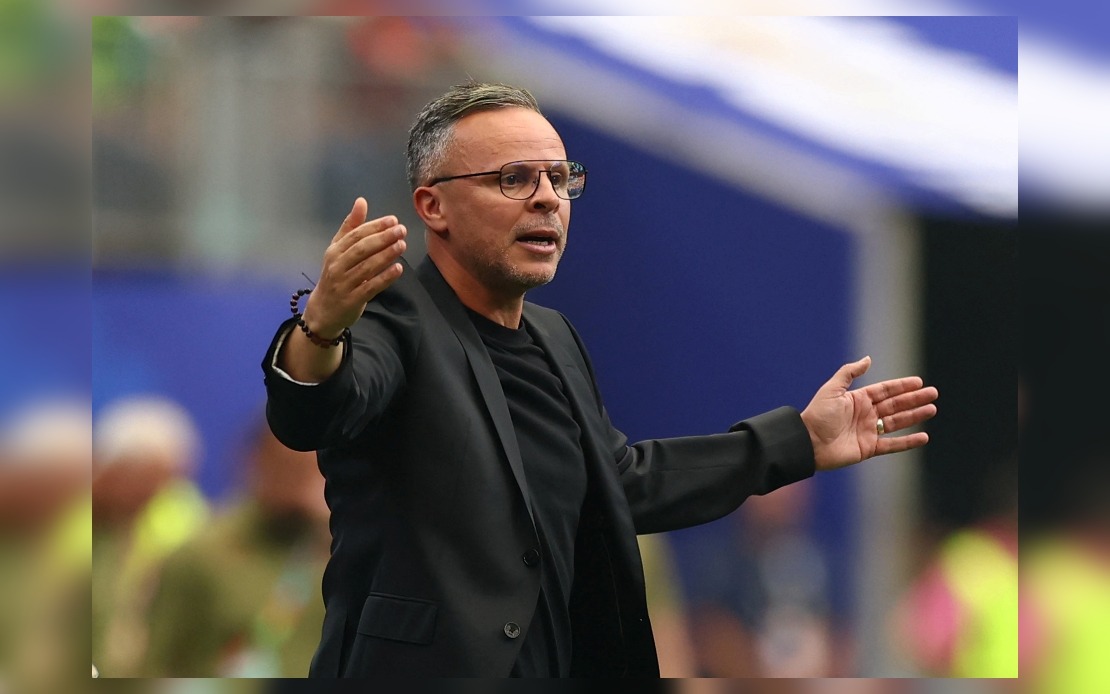
Morocco has transformed from an underdog to a genuine World Cup contender, according to head coach Mohamed Ouahbi, whose team emphatically disposed of Canada 3-0 in the Round of 16 fixture in Houston on Saturday to secure a quarterfinal berth. The emphatic scoreline represented a statement of intent from the Atlas Lions, who have steadily risen through the ranks of international football and now command respect on the world's biggest stage.
Outahbi's remarks in the post-match press conference reflected the seismic shift in Morocco's standing within global football. Where supporters and commentators once viewed the North African nation with surprise at their tournament performances, they now recognise an outfit possessed of genuine quality and competitive ambition. This elevation in status carries particular significance for Morocco's football federation and the wider Arab and African football community, signalling that traditional powerhouses can no longer take passage through the tournament for granted.
The tactical narrative of the match provided crucial insights into Morocco's maturation as a footballing unit. Canada's approach in the opening period demonstrated aggressive intent, maintaining relentless pressure and attempting to exploit any hesitation in Morocco's play. The co-hosts' strategy of rapid transitions and high-intensity pressing created genuine difficulties, and Ouahbi acknowledged the threat they posed throughout the contest. Yet the fundamental difference between the two sides became apparent as the game progressed, with Morocco's technical discipline and strategic flexibility prevailing over Canada's youthful enthusiasm.
Ouahbi attributed much of the turnaround to calculated adjustments implemented at the interval. Rather than abandoning their fundamental approach, Morocco modified their structure to negate Canada's pressing advantages while creating space for devastating attacking runs. By directing play around the back and seeking passes that released attacking players beyond Canada's defensive line, Morocco forced their opponents into reactive positions, defending deep within their own territory. This tactical recalibration proved devastatingly effective, transforming the match's complexion within minutes of the restart.
The goals themselves showcased Morocco's attacking prowess. Azzedine Ounahi's double demonstrated the team's ability to convert the opportunities created by their revised structure, while Soufiane Rahimi's late addition provided the final stamp of authority on a comprehensive performance. Such clinical finishing, combined with the strategic intelligence displayed throughout, underscores the development that has occurred within the squad over recent years.
Ouahbi's assessment that Canada presented the tournament's most difficult challenge to date merits examination within context. Morocco had previously navigated qualifiers and group-stage encounters, yet the coach's insistence that few Round of 16 matches feature such dominant scorelines reflects acknowledgment of Canada's actual quality rather than mere diplomatic courtesy. The 3-0 margin disguises a match that required constant vigilance and technical excellence to manage.
Morocco's progression marks their second consecutive quarterfinal appearance, building upon the historic 2022 campaign when they became the first African nation to reach the World Cup semifinals. That prior achievement demonstrated sustained competence rather than a flash of fortune, and the current run validates the infrastructure and strategic planning implemented across Morocco's football development system. For other African and Arab nations, the pathway established by Morocco's federation offers both inspiration and practical evidence that success at the highest level remains achievable.
The fixture against France in the next round represents an entirely different proposition from Morocco's Round of 16 assignment. France's narrow 1-0 victory over Paraguay in Boston underscored the quality expected of an established European power, though Morocco approaches this encounter unburdened by the psychological weight that might have constrained lesser opponents. Ouahbi explicitly rejected any notion of seeking revenge or settling past scores, framing the upcoming challenge instead as an opportunity to advance further and continue making their nation proud.
Ouahbi's statement that the team harbours ambitions extending to the final signals confidence without arrogance. Morocco has demonstrated competence across multiple phases—organisation, tactical flexibility, clinical finishing—that suggests genuine tournament credentials. The coach's emphasis on maintaining the same mentality and confidence that carried the team this far suggests no complacency has infected the squad despite their success thus far.
For Malaysian and Southeast Asian football observers, Morocco's trajectory offers instructive lessons. The North African nation has built success through systematic development, tactical sophistication, and maintaining competitive discipline across multiple matches. The notion that football's great powers remain permanently fixed has demonstrably weakened, with nations willing to invest in strategy and player development capable of competing at the highest level. Morocco's evolution from historical surprise to establishment powerhouse represents one of modern football's most compelling narratives, validating the potential for any confederation willing to commit resources and strategic thinking toward sustainable excellence.

