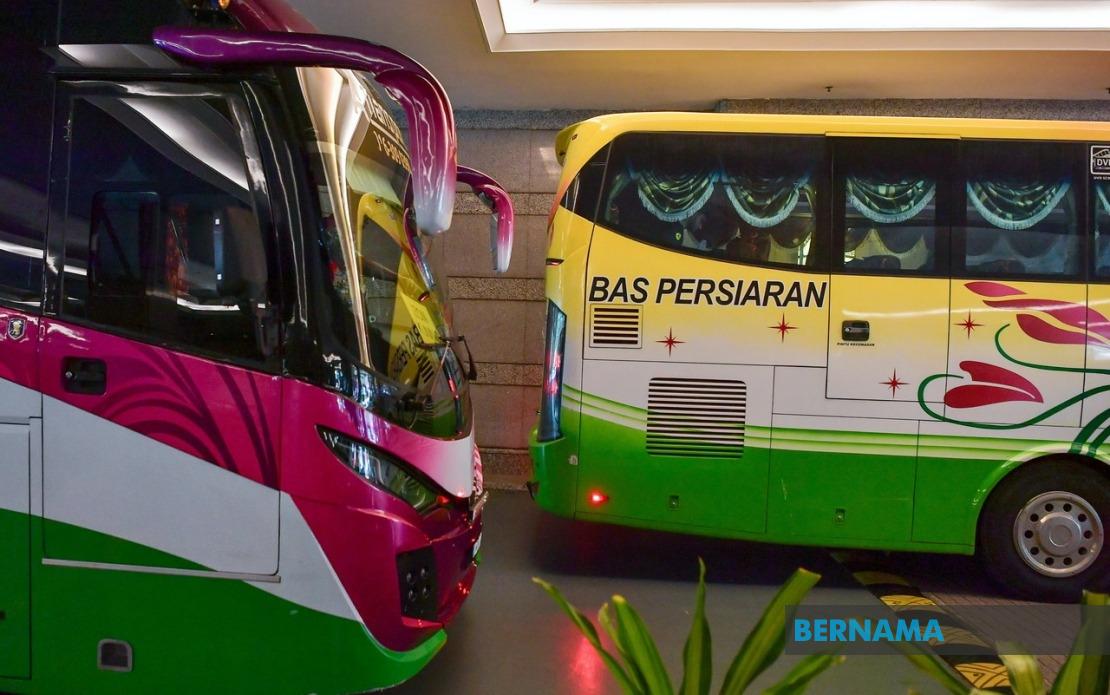
The Ministry of Tourism, Arts and Culture has issued an urgent appeal to the tour bus industry, requesting operators and tourism associations to submit comprehensive diesel consumption records and supporting documentation without further delay. The move comes as the government seeks to evaluate and structure an appropriate relief package for operators struggling with rising fuel costs, particularly following regional geopolitical developments that have driven up energy prices across Southeast Asia.
In its push for expedited data submission, MOTAC emphasised that the Ministry of Finance has signalled openness to considering various forms of assistance for struggling tour operators, but any concrete financial measures cannot proceed without a solid evidentiary foundation. Officials stressed that decision-makers require specific, verifiable information about the actual operating cost burden facing the sector before committing public funds to relief schemes or tax incentives.
The requested documentation extends beyond simple fuel consumption figures. MOTAC has specifically asked operators to provide detailed before-and-after comparisons of their diesel expenditure, benchmarked against the period before the Middle East crisis triggered international oil price volatility. This comparative data will allow government analysts to quantify precisely how much additional financial strain individual operators and the broader sector are experiencing, thereby establishing a baseline against which relief measures can be appropriately calibrated.
The ministry acknowledged it has received formal memoranda from nine tourism associations documenting the sector's concerns about diesel price escalation and its cascading effects on tour bus operations. MOTAC has subsequently convened consultation sessions with industry representatives to gather firsthand accounts of operational challenges, demonstrating a commitment to understanding grassroots concerns beyond aggregated data submissions.
However, the ministry cautioned that anecdotal evidence and formal complaints, while politically important, cannot substitute for rigorous quantitative analysis when allocating government resources. Officials warned that poorly targeted assistance schemes could generate unintended consequences, potentially benefiting some operators disproportionately while failing to address the actual needs of others, thereby breeding resentment across the industry rather than achieving consensus on fairness.
For Malaysian and regional stakeholders, this situation reflects broader economic pressures facing Southeast Asia's tourism-dependent sectors. Tour operators across the region have faced compressed profit margins as fuel costs have spiked, while competitive pressures prevent them from fully passing these increased expenses to consumers without risking demand destruction. The issue transcends Malaysia, affecting similar operators throughout Thailand, Indonesia, and the Philippines, making the precedent MOTAC establishes potentially influential across the region.
The government's insistence on data-driven policymaking represents a significant shift in how relief measures are being designed and justified. Rather than making blanket assistance available or distributing support equally, officials are signalling a preference for precision targeting based on demonstrated need. This approach aligns with broader fiscal responsibility rhetoric, particularly given Malaysia's ongoing concerns about debt sustainability and budget deficits.
Tourism industry players should recognise that the submission deadline, while not explicitly stated as imminent, carries implied urgency given MOTAC's repeated emphasis on expediting the assessment process. Associations that fail to compile and submit comprehensive documentation risk their members' interests being overlooked or underrepresented in relief package design, potentially resulting in assistance schemes that inadequately address their specific operational constraints.
MOTAC has committed to implementing follow-up measures in staged phases following comprehensive evaluation, indicating that relief may not arrive as a single injection but rather as phased interventions calibrated to emerging data and the government's fiscal capacity. This measured approach reflects the ministry's acknowledgement that blanket or sudden financial commitments must be weighed against broader economic management objectives and sustainable long-term growth trajectories.
The broader context here matters for understanding Malaysia's policy environment. The tourism sector contributes significantly to foreign exchange earnings and employment, particularly in regional economies and among rural communities dependent on visitor spending. Yet the government must balance tourism industry support against competing demands from agriculture, manufacturing, and other export-dependent sectors similarly affected by global commodity price volatility.
Operators and associations now face a critical juncture. Those who mobilise quickly to compile and submit required documentation position themselves to influence the structure and generosity of eventual relief measures, while those who delay risk being marginalised in subsequent policy formulation. The ministry's emphasis on data completeness and accuracy suggests that hastily assembled or incomplete submissions will be less influential than comprehensive, well-documented cases supported by detailed operational records.
Looking ahead, the government's willingness to consider assistance is conditional but genuine. However, the path to relief runs through bureaucratic channels requiring documentary evidence and quantitative demonstration of need. Tour operators who recognise this requirement and act accordingly will be best positioned to benefit from whatever assistance measures the government ultimately designs and implements.

