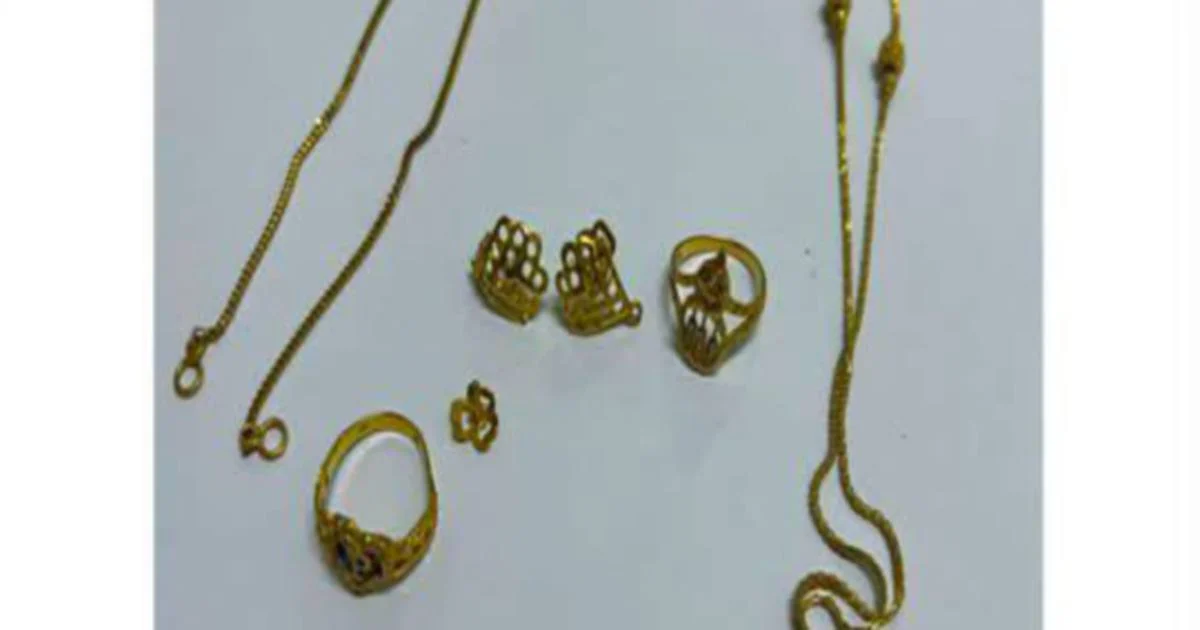
Police in Ipoh have apprehended a mother and two adult children suspected of orchestrating a sophisticated impersonation scheme that resulted in the theft of jewellery worth around RM8,000 from a 67-year-old woman. The arrest represents another chapter in Malaysia's ongoing struggle against scams targeting vulnerable elderly citizens, a demographic increasingly exploited by organised criminal groups who exploit trust in government institutions.
The suspects gained access to the victim's home by falsely claiming to represent a welfare agency, exploiting the legitimate authority associated with government social service officers. By donning official personas, the perpetrators were able to lower the elderly woman's natural guard and position themselves as trustworthy figures conducting routine welfare checks. This psychological manipulation tactic—leveraging institutional authority to bypass victim skepticism—has become a hallmark of modern fraud schemes in Malaysia and throughout Southeast Asia.
The method employed in this case underscores a disturbing trend where criminal networks systematically study government procedures and operational conventions in order to replicate them convincingly. The perpetrators likely researched common welfare officer protocols, including what information they would request and how genuine officers might conduct themselves during home visits. Such preparation allows them to answer questions credibly and navigate conversations with elderly victims without raising immediate suspicion, buying precious time to identify and extract valuables from the household.
The involvement of family members in the scheme—a mother collaborating with her adult children—reveals how such criminal enterprises frequently operate as tight-knit units bound by kinship rather than loose associations of strangers. This family-based structure can make these operations particularly difficult for law enforcement to disrupt, as internal loyalty creates fewer motivation points for individuals to become informants. Additionally, the psychological manipulation inherent in committing fraud alongside family members may create distinctive rationalisations that make participants feel less culpable for their actions.
Elderly fraud remains a persistent challenge for Malaysian authorities. Senior citizens often represent ideal targets because of their tendency to maintain substantial physical cash holdings or jewellery collections accumulated over decades, their general respect for authority figures and government institutions, and their sometimes-reduced technological fluency that may leave them less suspicious of face-to-face interactions. The RM8,000 valuation in this case represents a substantial loss for most retirees living on fixed pensions, potentially impacting the victim's financial security and quality of life in retirement years.
The Perak police response demonstrates increasing awareness among law enforcement agencies regarding these schemes. By moving swiftly to apprehend the suspects, authorities can prevent further victimisation and potentially recover additional evidence or stolen goods. The public nature of arrests also serves a deterrent function, signalling to potential offenders that such crimes face serious investigation and prosecution.
Malaysian police departments have increasingly highlighted elderly fraud as a priority concern, issuing regular public warnings about common scam techniques. The welfare officer impersonation approach is particularly common because it provides a plausible reason for requesting entry to homes and asking about household valuables without triggering immediate alarm. Similar schemes have targeted elderly citizens across Peninsular Malaysia, Sabah, and Sarawak, suggesting coordination or imitation across different regions.
For Malaysian households with elderly relatives, particularly those living independently, this case provides sobering lessons about vulnerability and protective measures. Genuine welfare officers typically provide identification and can be verified through official agency hotlines before allowing entry. Seniors should maintain awareness that government agencies rarely conduct unannounced home visits demanding to inspect personal belongings or jewellery. Building community networks where neighbours check on elderly residents periodically can also reduce isolation that makes seniors easier targets for manipulation.
The arrest comes amid broader concerns about organised fraud networks that operate across Malaysia and neighbouring countries. Some groups specialise in identity theft and impersonation schemes, continuously adapting their methods as awareness campaigns reduce the effectiveness of older techniques. The sophistication required to maintain convincing personas suggests these operations may involve pre-planning and research rather than purely opportunistic crime.
Authorities investigating the case will likely examine whether the suspects targeted other households or whether this represents an isolated incident. If additional victims come forward, the investigation could expand significantly, potentially uncovering a more extensive criminal enterprise. Forensic examination of communications, financial records, and the route by which stolen goods entered the market could provide additional insights into operational methods.
The psychological impact on elderly fraud victims frequently extends beyond material loss. The violation of trust—where a victim allowed someone into their home based on presumed official authority—can create lasting anxiety about answering doors or engaging with callers, potentially increasing social isolation. Support services for fraud victims remain limited in Malaysia, though some NGOs and community groups have begun addressing this gap.
Moving forward, both law enforcement and community organisations face responsibilities in protecting seniors. Police can intensify outreach to vulnerable populations about verification procedures, while community leaders can facilitate neighbourhood watch programmes specifically focused on protecting elderly residents. Technology solutions such as home security systems remain beyond many senior citizens' budgets, making community-based protection mechanisms particularly valuable in Malaysia's context.
The Ipoh arrests underscore that elder fraud remains a prosecutable crime treated seriously by authorities, yet prevention through public awareness and community vigilance remains the most effective long-term defence against such schemes targeting Malaysia's growing senior population.

