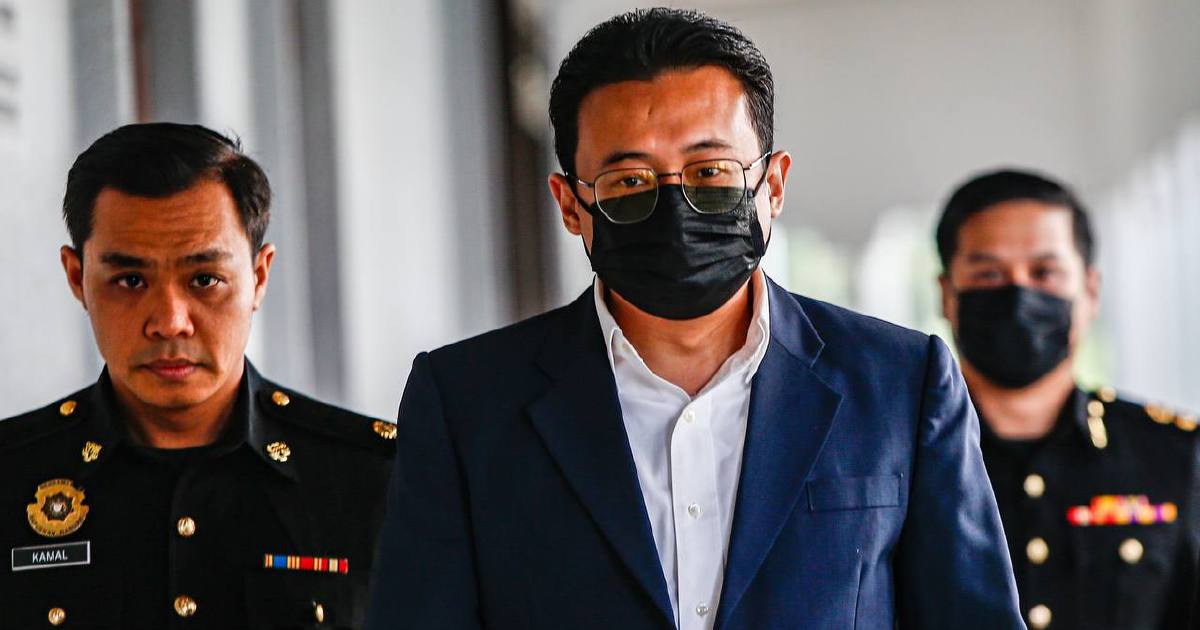
The chief executive officer of Malaysia Stadium Corporation entered a not guilty plea in Sessions Court on Monday, confronting seven distinct charges of soliciting and accepting bribes amounting to more than RM1 million. The alleged offences centre on his conduct in relation to the award of a lucrative contract for the National Squash Centre's upgrading project, marking a significant development in Malaysia's ongoing efforts to combat corruption within public sector procurement.
The charges underscore persistent concerns about governance standards within government-linked organisations responsible for managing national sports infrastructure. The National Squash Centre, located in Kuala Lumpur, represents a key facility for developing Malaysia's competitive advantage in squash—a sport where the country has historically maintained regional prominence. Any irregularities in the tender process for facility improvements could potentially affect the quality of training and competition environments available to Malaysian athletes.
Public sector procurement integrity has emerged as a critical focus area for Malaysian authorities, particularly following high-profile corruption scandals that have eroded public confidence in institutional governance. The appointment of leadership within statutory bodies like Malaysia Stadium Corporation carries substantial responsibility, given their direct control over public funds allocated to sports development and venue management. The scale of the alleged misconduct—exceeding RM1 million—suggests systematic rather than incidental impropriety in the tender evaluation process.
Tender processes for sports infrastructure projects typically involve multiple stakeholder interests, including government agencies, construction firms, and sports associations. Allegations of bribery in this context raise questions about the robustness of Malaysia Stadium Corporation's internal controls and the oversight mechanisms designed to prevent conflicts of interest. Such incidents can distort competition among qualified contractors and potentially result in suboptimal outcomes for national sports facilities.
The case reflects broader systemic challenges within Malaysia's public administration framework. Despite increased emphasis on transparency and accountability, enforcement actions against senior officials in government-linked companies remain relatively uncommon compared to private sector prosecutions. This disparity has fuelled discussion among governance advocates about whether institutional protections or investigative resource constraints may influence prosecution patterns.
For Malaysia's international sporting reputation, the timing of such allegations carries implications. As the country seeks to host major regional and international sporting events, questions about the integrity of sports infrastructure management could influence the confidence of international sporting bodies and potential host partners. The resolution of this case will likely shape perceptions of Malaysia's commitment to institutional reform.
The Sessions Court proceedings will now proceed through examination of evidence and witness testimony. Key considerations for the court will include documentation of the tender process, communications between the accused and contractors, and evidence of financial transactions. The complexity of white-collar corruption cases typically requires extensive documentary and expert evidence to establish mens rea—the deliberate intent to solicit or accept improper inducements.
Matters of this nature frequently highlight gaps between formal procurement policies and actual operational practice. Many organisations possess written guidelines prohibiting conflicts of interest and mandating competitive bidding, yet enforcement and monitoring remain inconsistent. The investigation and charging of a chief executive officer suggests that enforcement mechanisms have functioned, though the eventual verdict will determine whether sufficient evidence exists to establish guilt beyond reasonable doubt.
The implications extend to Malaysia Stadium Corporation's operational credibility and stakeholder relationships. Contractors and potential bidders for future projects will closely monitor the case's trajectory, as an adverse verdict could signal systemic problems requiring institutional restructuring. Conversely, a not guilty verdict would require careful examination of investigative procedures to understand why charges proceeded to trial.
For Malaysian sports stakeholders, the case underscores the importance of transparent governance in sports administration. Athletes, coaches, and sports organisations depend on equitable allocation of resources and well-maintained facilities. Corruption in infrastructure projects can result in delayed facility upgrades, inflated costs, and substandard construction that compromises athlete development and competitive preparation.
The court's handling of this case will contribute to evolving jurisprudence on white-collar corruption within Malaysian public administration. Prior judgements in similar cases have established important precedents regarding evidentiary standards, procedural requirements, and sentencing principles for high-ranking officials convicted of bribery-related offences.
As the trial progresses, the outcome will likely influence approaches to governance reform within other government-linked sports organisations and statutory bodies managing public resources. Successful prosecution of corruption cases at senior levels typically strengthens institutional confidence and demonstrates that no official operates beyond accountability. Conversely, acquittals may prompt reviews of investigation methodologies and evidence-gathering protocols.