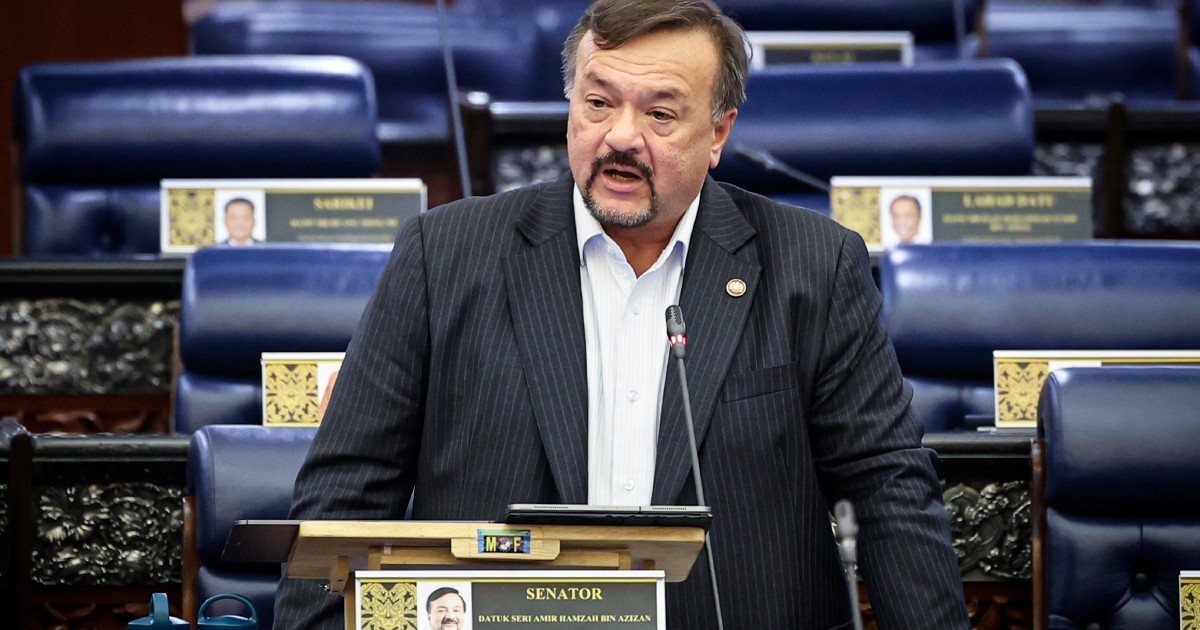
The Malaysian government is weighing the establishment of a multi-agency task force designed to streamline and coordinate investigations into alleged misconduct and irregularities at Tabung Haji, one of the country's most significant financial institutions serving Muslim depositors. Finance Minister II Datuk Seri Amir Hamzah Azizan disclosed the proposal, indicating a shift towards a more unified investigative approach rather than relying on fragmented agency efforts.
Tabung Haji, the country's pilgrimage fund manager that holds billions in savings from Malaysians planning to perform the hajj, has faced mounting scrutiny over governance structures and financial management practices in recent years. The move towards establishing a task force reflects growing concern within government circles about the need for more cohesive oversight mechanisms. Such a coordinated approach would theoretically prevent duplication of effort, ensure more thorough investigation of complex financial matters, and create clearer lines of accountability across multiple enforcement agencies.
The proposed task force structure would likely bring together representatives from various government bodies with relevant jurisdiction over financial institutions, fraud investigation, and corporate governance. This could include the Malaysian Anti-Corruption Commission, the Securities Commission, the central bank's regulatory division, and potentially the police's commercial crime unit, among others. By pooling expertise and resources, authorities aim to construct a more comprehensive picture of any alleged wrongdoing rather than examining isolated incidents through individual agency lenses.
The consideration of such a mechanism underscores the complexity surrounding Tabung Haji's operations and the challenges inherent in investigating large institutional structures where financial irregularities may span multiple jurisdictional domains. For Malaysian depositors, who have entrusted substantial personal savings to the organisation, questions about governance and transparency have become increasingly pressing. The fund manages contributions from millions of Malaysians aspiring to undertake the pilgrimage, making its operational integrity a matter of considerable public concern.
The timing of this proposal is significant given the heightened public discourse surrounding corporate governance failures in Malaysia. Recent years have witnessed numerous high-profile corporate scandals, each prompting institutional reflection on preventive mechanisms and investigative capacity. The consideration of a task force approach reflects lessons learned from previous investigations where fragmented efforts proved less effective than coordinated action. Such an institutional learning curve, while late in coming, suggests a more sophisticated understanding of modern financial investigations.
For regional observers, Malaysia's willingness to contemplate enhanced investigative coordination carries broader implications. As Southeast Asian countries grapple with governance challenges and pressure for institutional accountability, the approach taken by Malaysian authorities may establish precedent for other nations managing large sovereign wealth funds or pilgrimage-related financial institutions. The success or failure of this task force model could influence how neighbouring countries structure their own investigative responses to institutional misconduct.
The proposed mechanism also reflects evolving expectations regarding institutional transparency in Malaysia. Tabung Haji's standing as a publicly significant organisation means that remedial actions undertaken by the government attract considerable public interest and scrutiny. Any task force established would operate under the awareness that its investigative methodologies and findings would likely face public examination, creating implicit pressure for rigorous and impartial inquiry.
The conversion of this proposal into concrete institutional reality will depend on inter-agency coordination and resource allocation decisions. Successfully establishing such a task force requires not only political will but also practical cooperation among agencies that may have competing priorities or overlapping mandates. The government's success in navigating these organisational challenges will provide insight into its capacity for implementing similarly coordinated approaches to other complex governance issues.
Investigations of large financial institutions invariably extend over considerable timeframes, requiring sustained institutional commitment and adequate resourcing. A task force approach, if properly structured, could maintain investigative momentum more effectively than ad hoc agency responses. For depositors and the broader Malaysian financial system, the clarity and rigour with which authorities approach Tabung Haji's governance will carry implications extending beyond the specific institution, influencing confidence in Malaysia's broader institutional oversight mechanisms and regulatory environment.

