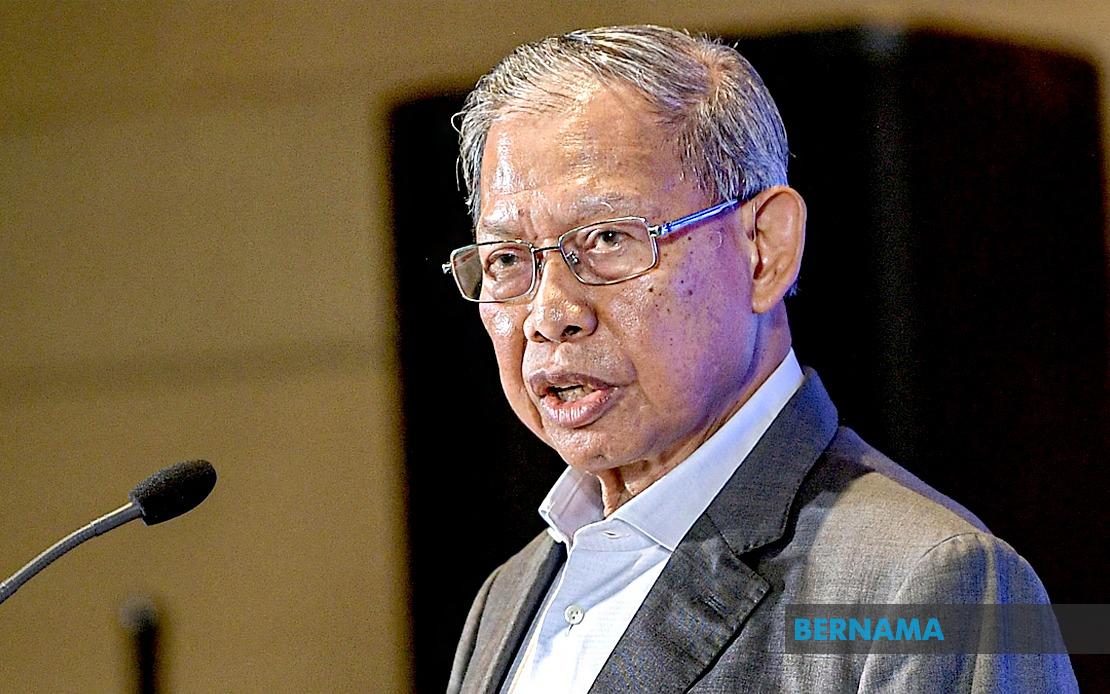
Datuk Seri Mustapa Mohamed has drawn a final line under his electoral ambitions, formally declaring that he will not contest in the 16th General Election and championing the rise of a younger generation of political leaders. The 76-year-old former Jeli Member of Parliament made the announcement at a "Welcome Home" event and Independence Month celebration organised by the Council of Former Kelantan Elected Representatives in Pasir Mas, signalling a strategic transition in UMNO's leadership pipeline as the party positions itself for future electoral contests.
Mustapa's unequivocal stance marks a significant moment in Malaysian politics, as senior figures increasingly acknowledge the necessity of generational renewal within their parties. His physical circumstances underscore broader questions about succession planning in UMNO and whether the party can effectively harness the energy and perspectives of younger politicians to revitalise its standing with voters. At 76, Mustapa acknowledged that his mobility has declined, a candid assessment that reflects both personal realities and broader demographic trends affecting leadership across major Malaysian political organisations.
The former Minister of International Trade and Industry emphasised that stepping back from electoral politics does not represent a withdrawal from party contributions. Instead, he articulated a vision of himself operating in a mentoring capacity, providing strategic counsel and institutional knowledge to upcoming leaders navigating UMNO's internal dynamics and broader political landscape. This repositioning from frontline politician to elder statesman reflects a calculated recognition that his greatest value to the party may lie in behind-the-scenes guidance rather than direct electoral competition.
Mustapa's political journey has been characterised by significant shifts in recent years. His departure from UMNO in September 2018 to join Bersatu represented a major realignment, positioning him within Mahathir Mohamad's alternative coalition structure during a turbulent period in Malaysian politics. His return to UMNO in June of this year marked a reconciliation with the party he left, suggesting that party loyalty and unity took precedence over other considerations. This trajectory demonstrates the fluid nature of Malaysian party politics and the willingness of senior figures to navigate between different organisational homes based on strategic calculations.
The emphasis on nurturing young talent reflects pragmatic assessment of UMNO's electoral challenges. The party faces demographic headwinds, with younger voters increasingly sceptical of traditional political hierarchies and seeking fresh narratives. By explicitly backing the advancement of emerging leaders, Mustapa positions himself as aligned with necessary party modernisation rather than defensive about generational transitions. This narrative move is politically astute, framing his retirement from electoral politics as a generous act enabling younger politicians to flourish rather than an inevitable consequence of age.
Mustapa indicated that his post-electoral political contributions would extend beyond UMNO party structures into academic spheres. He expressed commitment to engaging with students at both public and private institutions of higher learning, transferring institutional memory and analytical frameworks to emerging generations through educational platforms. This approach expands his influence beyond partisan politics into intellectual and academic domains where former senior politicians often find continued relevance and platform.
The timing of Mustapa's announcement carries significance for UMNO's organisational health. With GE16 still some years away, the party faces questions about succession across multiple levels of leadership. Senior figures publicly backing younger colleagues reduces internal competition and positions the party as forward-thinking. Conversely, it also raises questions about whether UMNO's institutional structures genuinely enable younger politicians to exercise meaningful power or whether generational transitions remain primarily symbolic.
For Malaysian readers, Mustapa's stance reflects broader patterns evident across Southeast Asian politics where ageing power structures confront demographic realities. The question of whether parties can effectively transition leadership without losing institutional memory or fragmenting remains acute. UMNO's specific challenge involves refreshing its image and policy approaches while maintaining coherence across a large party machinery with diverse internal factions and constituencies.
Mustapa's commitment to contributing through "sharing experience, ideas, and strategic insights" suggests that his influence will continue, albeit through modified channels. The distinction between formal electoral candidacy and informal mentorship shapes how power actually operates within UMNO, potentially creating parallel structures of influence that younger leaders must navigate. His role as keeper of institutional knowledge and strategic thinking positions him as a significant behind-the-scenes actor even after withdrawing from direct electoral competition.
The broader implications extend to UMNO's capacity to rebuild electoral competitiveness in a transformed political environment. Whether the party can translate generational transition into renewed voter appeal remains uncertain. Mustapa's encouragement of younger leaders must be accompanied by genuine devolution of decision-making authority and resources to younger cohorts for such transitions to achieve their intended effects in revitalising party fortunes.
For the Pasir Mas constituency specifically, Mustapa's retirement opens possibilities for new political figures to establish themselves. The area's electoral future will depend on whether UMNO can identify and empower candidates capable of connecting with both traditional party supporters and new voter demographics increasingly disengaged from conventional politics. Mustapa's graceful exit from electoral politics sets a tone that may influence how other senior figures approach succession questions within their respective constituencies and organisational domains.

