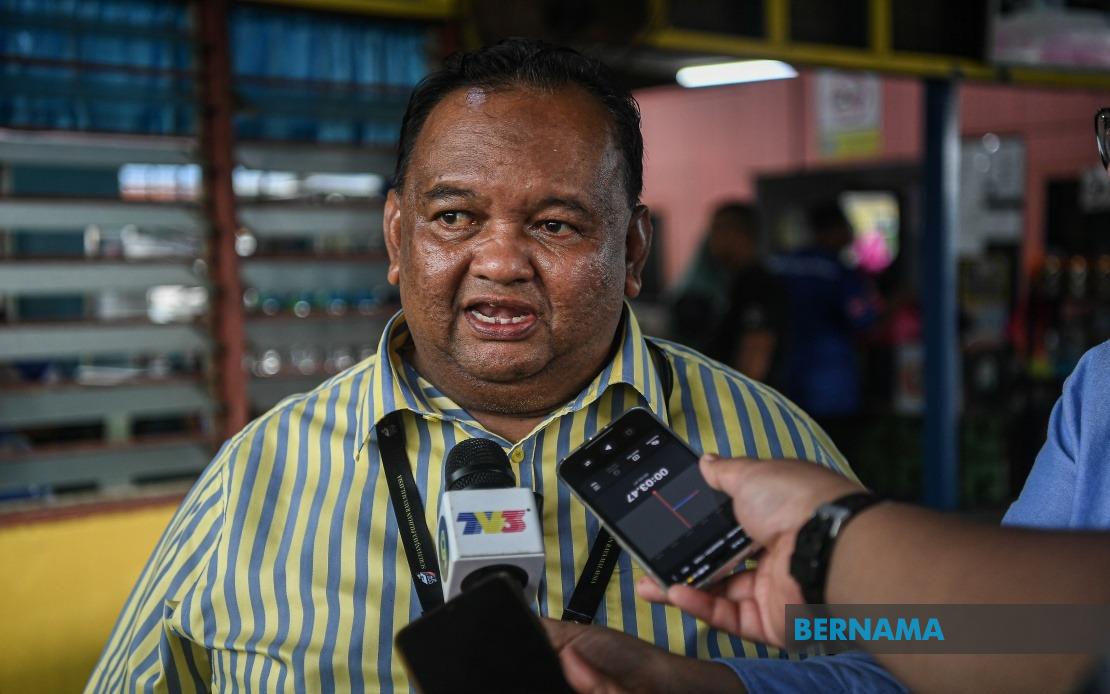
The race for Sedili state seat in the upcoming Johor state election is shaping up as a contest over competing visions for rural development, with incumbent assemblyman Muszaide Makmor pitching an ambitious agenda centred on agricultural modernisation and job creation. Speaking in Kota Tinggi, Muszaide outlined plans to establish agro-technology initiatives across Felda settlements through partnerships with leading research institutions, positioning himself as the champion of diversified farming opportunities for communities long dependent on conventional crops.
At the heart of Muszaide's campaign manifesto lies a strategy to introduce high-value agricultural projects that would operate under the guidance of Universiti Putra Malaysia and Universiti Malaysia Terengganu. These ventures—encompassing giant freshwater prawn farming, mud crab breeding, and ginger cultivation—represent a deliberate pivot toward activities with stronger profit margins than traditional agriculture. The proponent argues that such enterprises can generate meaningful supplementary income for rural dwellers, particularly the second generation of Felda settlers who have inherited land allocations but often struggle with limited economic prospects.
Two specific aquaculture operations already underway demonstrate the feasibility of Muszaide's approach. Giant freshwater prawn hatchery operations at Sungai Sedili Kecil and mud crab breeding facilities at Sungai Sedili Besar are being presented as models for expansion into surrounding Felda areas. During a recent visit to Aping Timur, Muszaide encountered enthusiasm from residents eager to participate in similar schemes, suggesting grassroots support for agricultural diversification. This bottom-up demand provides political validation for his strategy while addressing a genuine concern among rural residents about the sustainability of family farming under current market conditions.
Complementing the agricultural thrust is Muszaide's proposal to establish a large-scale integrated palm oil mill in the constituency. This facility is projected to generate more than 200 direct employment opportunities, with particular emphasis on absorbing young people who might otherwise migrate to urban centres in search of work. The incumbent frames this infrastructure as integral to stemming youth exodus from Sedili, arguing that local job creation will stimulate economic circulation within the district itself. The logic is straightforward: retain working-age population, maintain consumer spending locally, and strengthen the overall economic resilience of the region.
In a three-way contest on July 11, Muszaide confronts challenges from Perikatan Nasional candidate Rasman Ithnain and Pakatan Harapan's Amirul Husni Onn. Rasman, a former assemblyman for the seat, brings his own development record to bear, having overseen the successful distribution of land titles to approximately 3,000 second-generation Felda lot recipients during his tenure. However, he emphasises a critical gap in implementation: while titles have been secured, many recipients have been unable to construct or occupy homes on their plots due to inadequate basic infrastructure. This represents both a substantial grievance affecting current residents and a potential electoral weakness for the incumbent.
The infrastructure deficit extends beyond housing to encompass water supply systems. Rasman has identified disruptions to clean water availability as perhaps the most pressing concern for residents across both traditional villages and Felda settlements throughout Sedili, with shortages particularly acute during major festivals when demand spikes. He alleges that infrastructure approvals have been deliberately withheld for political reasons, a charge that strikes at the heart of the constituency's development stagnation. This framing transforms what might appear as technical or bureaucratic delays into a governance failure tied to partisan interests, a potent campaign narrative.
Should Rasman regain the mandate, his priority would be securing federal assistance through special loan arrangements to resolve Sedili's utility infrastructure crisis. His argument rests partly on the claim that Johor has already discharged its water debt obligations to the federal government, suggesting capacity exists for additional borrowing to address the state's infrastructure gaps. This approach emphasises partnership between state and federal authorities rather than relying solely on state-level resources, potentially resonating with voters who view water security as a fundamental right rather than a discretionary service.
The July 11 Johor state election encompasses 56 seats contested by 172 candidates, representing a substantial electoral exercise across the state. Early voting is scheduled for July 7, providing flexibility for voters unable to attend on polling day itself. Sedili, situated in Kota Tinggi district, reflects the broader agricultural character of much of Johor's hinterland and represents a microcosm of rural development challenges facing peninsular Malaysia. The competing platforms in this constituency—technological innovation versus infrastructure completion, job creation through new ventures versus resolution of existing grievances—encapsulate fundamental choices about how to sustain viable rural communities.
For Malaysian observers, the Sedili contest illuminates broader questions about rural economic sustainability in an era of agricultural transformation. The tension between Muszaide's forward-looking agro-tech vision and Rasman's emphasis on fulfilling incomplete infrastructure commitments reflects a genuine dilemma confronting rural policy-makers: whether to pursue new economic opportunities or consolidate existing investments. Both approaches carry merit, and voter preferences in Sedili will likely hinge on assessments of credibility and track record. The outcome may also signal regional attitudes toward incumbent performance versus opposition promises in an election environment where development delivery remains paramount in rural voter calculations.

