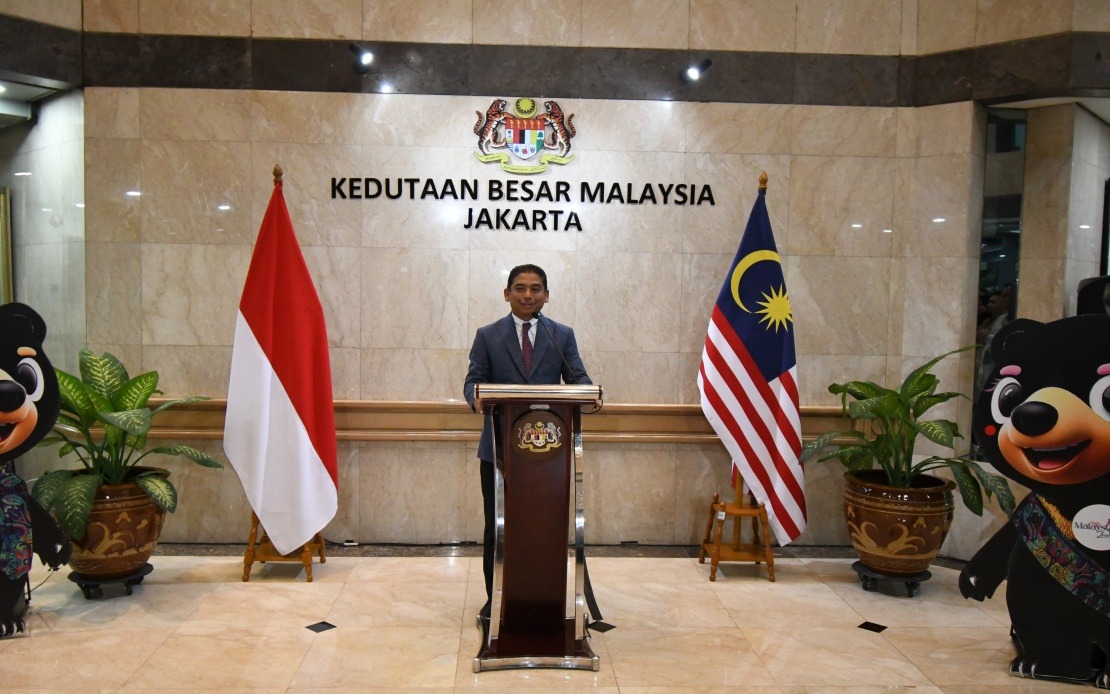
Datuk Muzafar Shah Mustafa has commenced his duties as Malaysia's newly appointed Ambassador to Indonesia, arriving in Jakarta on August 10 following a distinguished career spanning multiple continents and diplomatic postings. The Malaysian embassy confirmed his arrival through social media, marking the official start of what represents a significant shift in Malaysia's diplomatic representation in Southeast Asia's largest economy.
Muzafar's transition to Jakarta comes after nearly three years serving as High Commissioner to India, a role he held from October 2023 until his departure from New Delhi on July 9. His appointment as Ambassador was formally announced last month, with the Yang di-Pertuan Agong Sultan Ibrahim presenting his letter of credence at Istana Negara on July 14, according to official records. This ceremony represented the final ceremonial step before he could take up his posting in the Indonesian capital.
The diplomat's career trajectory reflects the calibre of representation Malaysia maintains with its regional neighbours. Having joined Malaysia's Foreign Ministry in 1995, Muzafar has accumulated nearly three decades of diplomatic experience across some of the world's most strategically important and complex postings. His previous appointments span continents, demonstrating the breadth of expertise he brings to his new role managing bilateral relations with Indonesia.
Prior to his tenure in India, Muzafar spent five years as Ambassador to Mexico from 2018 to 2023, during which period he also held concurrent accreditation to Belize, Costa Rica, El Salvador, Guatemala and Honduras. This dual responsibility across multiple Central American nations underscores his capacity to manage intricate diplomatic portfolios simultaneously—a skill particularly valuable given Indonesia's regional importance and the complexity of managing ASEAN relations.
His earlier postings reveal a diplomat thoroughly versed in navigating challenging diplomatic environments. Between 2016 and 2018, he served as Ambassador to Venezuela, a country whose political situation required sophisticated diplomatic maneuvering. Further back, he held the position of counsellor at the Malaysian Embassy in Berlin from 2007 to 2011, exposing him to European diplomatic practices and relationships during a transformative period in international relations.
Muzafar's earliest overseas assignment, from 1999 to 2003, positioned him as second secretary at the Malaysian Embassy in Baghdad. This posting during a particularly volatile period in Iraq's history would have equipped him with crisis management experience and deep understanding of Middle Eastern complexities—perspectives that remain relevant to contemporary geopolitical challenges affecting regional stability and trade.
The appointment of an experienced diplomat to Indonesia reflects Malaysia's recognition of the centrality of this relationship. Indonesia remains Malaysia's largest neighbour by population and territory, with whom Malaysia shares maritime boundaries, cultural ties, and significant economic interdependencies. The bilateral relationship encompasses traditional areas of cooperation alongside emerging challenges in areas such as maritime security, transnational crime, and labour migration.
Muzafar brings to the role not only professional credentials but also personal stability, being married to Datin Najwa Zainal and father of four. This domestic foundation often provides diplomats with the emotional resilience necessary to navigate the demands of international representation and the personal sacrifices inherent in diplomatic postings requiring relocation and long absences from home.
His arrival in Jakarta arrives at a moment when Malaysia-Indonesia relations could benefit from sustained diplomatic attention. Both countries continue addressing longstanding issues including the treatment of Indonesian migrant workers in Malaysia, maritime boundary demarcation disputes, and coordination on ASEAN matters. The appointment of a senior career diplomat suggests Malaysia's commitment to deepening engagement on these fronts.
The transition from New Delhi to Jakarta also provides interesting context regarding Malaysia's diplomatic priorities. India represents an important strategic partnership for Malaysia in the Indo-Pacific region, particularly regarding counterbalancing China's growing influence. That Malaysia entrusted Muzafar with this posting before reassigning him to Indonesia suggests confidence in his ability to manage relationships with major regional powers while maintaining Malaysia's strategic flexibility.
For Malaysian business interests, Muzafar's appointment carries practical implications. As Ambassador, he will play a central role in facilitating trade negotiations, supporting Malaysian companies operating in Indonesia, and addressing bilateral commercial disputes. His experience managing multiple countries simultaneously should translate into efficient handling of diverse stakeholder interests within Indonesia's complex economy.
The diplomat's language capabilities, honed across assignments in Spanish-speaking Central America, German-speaking Europe, and Hindi-influenced India, likely include command of English and Malay at minimum, with possible facility in Indonesian or other regional languages—skills that will prove invaluable in daily embassy operations and high-level negotiations with Indonesian counterparts.

